
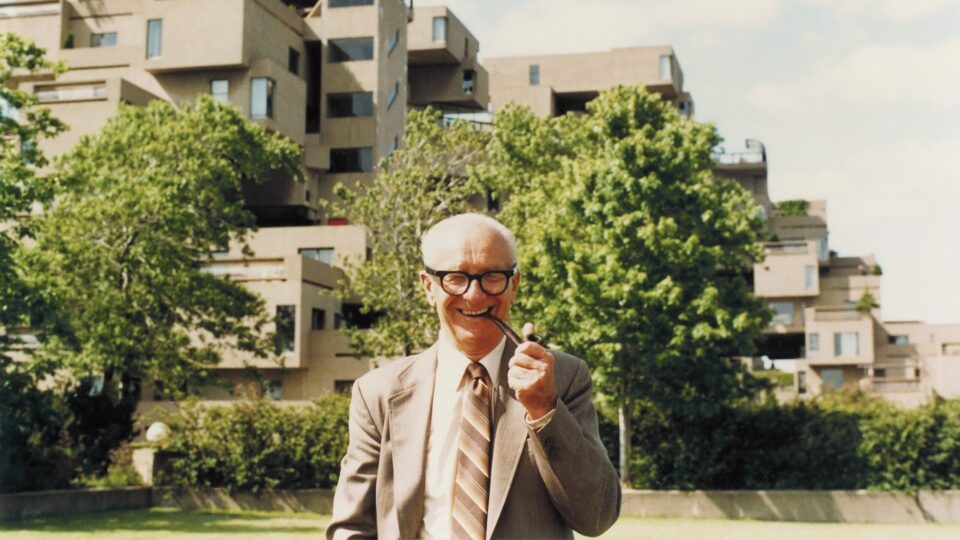
August Komendant, from the Estonian village of Nurmsi, became one of the twentieth century’s most influential structural engineers and architect Louis Kahn’s closest collaborator. His work extended from the grandstand at Kadriorg Stadium to Philadelphia and Fort Worth, where he helped create some of Kahn’s best-known buildings.
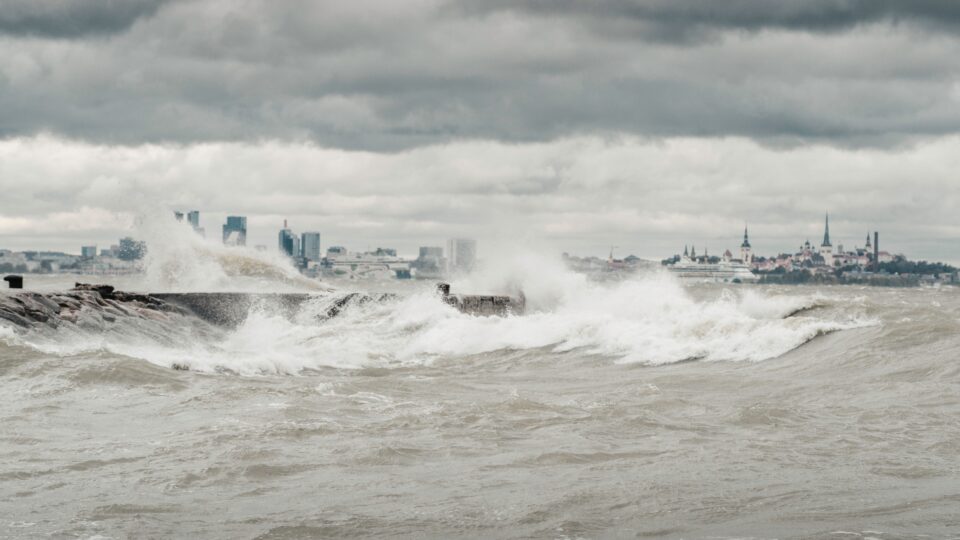
When a severe storm drives up coastal water levels, every hour counts: the earlier the danger is detected, the more time ports and shipping operators have to prepare or respond. As part of Europe’s Destination Earth initiative, TalTech’s Department of Marine Systems was tasked with developing a solution to identify such rises early, assess their possible extent and, where necessary, produce a much more detailed forecast for the area.
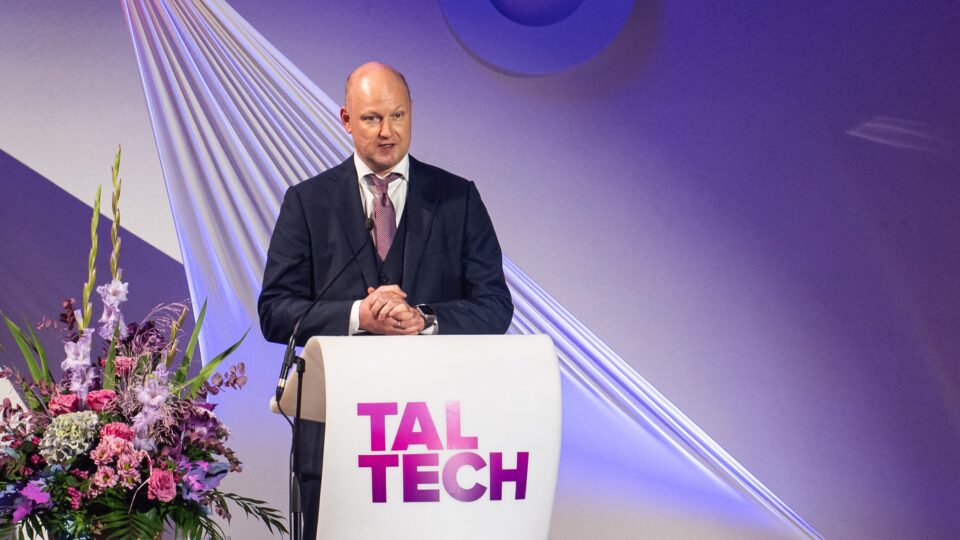
Cheaper, more reliable heating will increasingly depend on how intelligently we combine different energy sources. TalTech thermal energy specialist Igor Krupenski sees considerable untapped potential in waste heat from industry, data centres and wastewater in Estonia, alongside continued roles for wood chips, heat pumps and storage. Well-managed district heating could soften price fluctuations and help balance the energy system.

In a public lecture to students and researchers at TalTech, NATO Secretary General Mark Rutte said that Estonia sets an example for the entire Alliance through its defence investment, support for Ukraine, technological innovation and whole-of-society crisis preparedness. He identified the development of drone and counter-drone technology, as well as more effective air defence, as some of the most urgent tasks for future engineers and researchers.
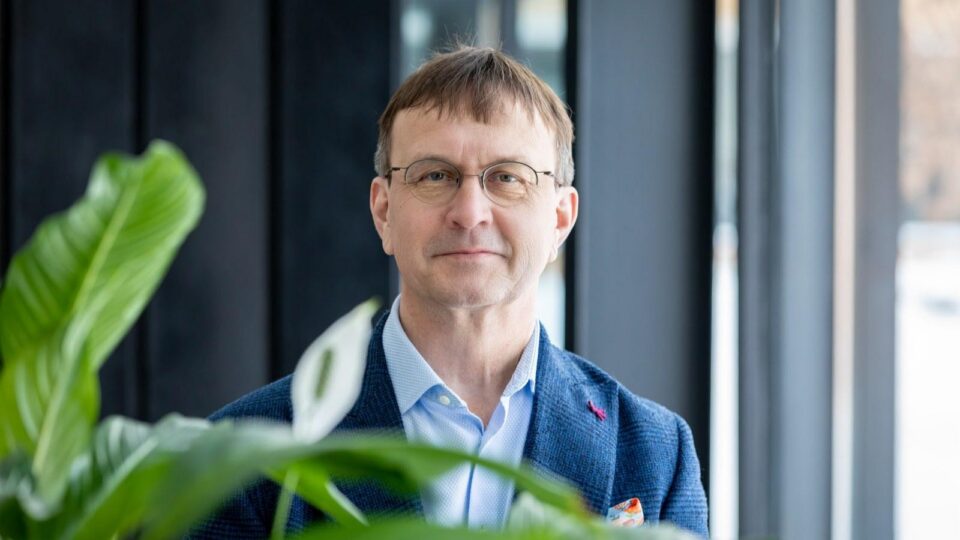
Just as we scan our own shopping and book flights and hotels ourselves, healthcare is increasingly moving towards self-service. TalTech Professor Peeter Ross believes people could collect and manage more of their own health data and receive advice before illness develops. Estonia is already taking its first steps in that direction.

Estonia’s maritime sector will increasingly need people with IT, data, legal and other specialist skills alongside seafarers. Yet it is still widely seen as a traditional industry centred on ships and sailing. Participants at WISTA Estonia’s annual seminar concluded that universities, businesses, the state and local authorities must work more closely together to bridge this gap.
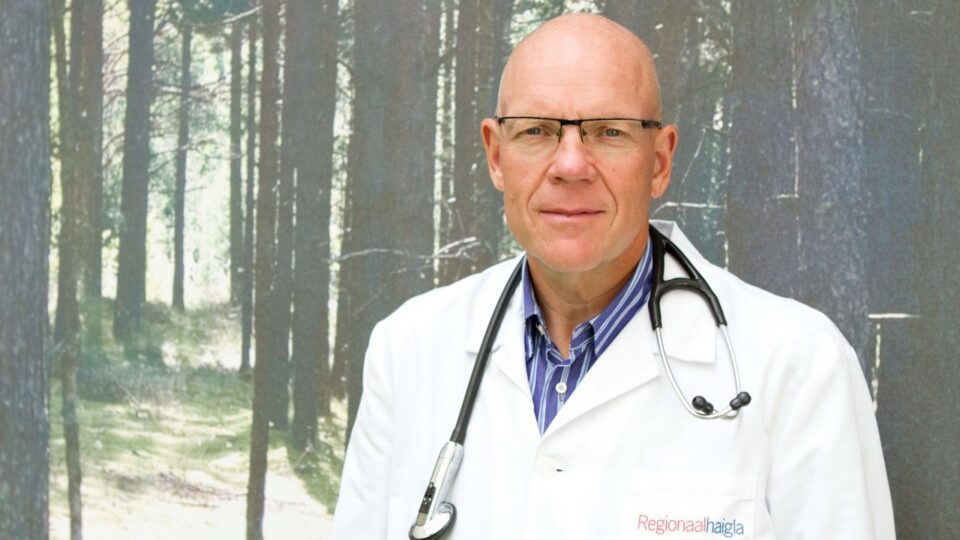
After a heart attack or stroke, patients are prescribed medication and sent home. What happens next depends largely on how well they follow their treatment plan and attend check-ups on time. TalTech researchers are now testing an AI-based digital doctor to monitor patients continuously at home, remind them to take medication and flag when a doctor or nurse is needed.
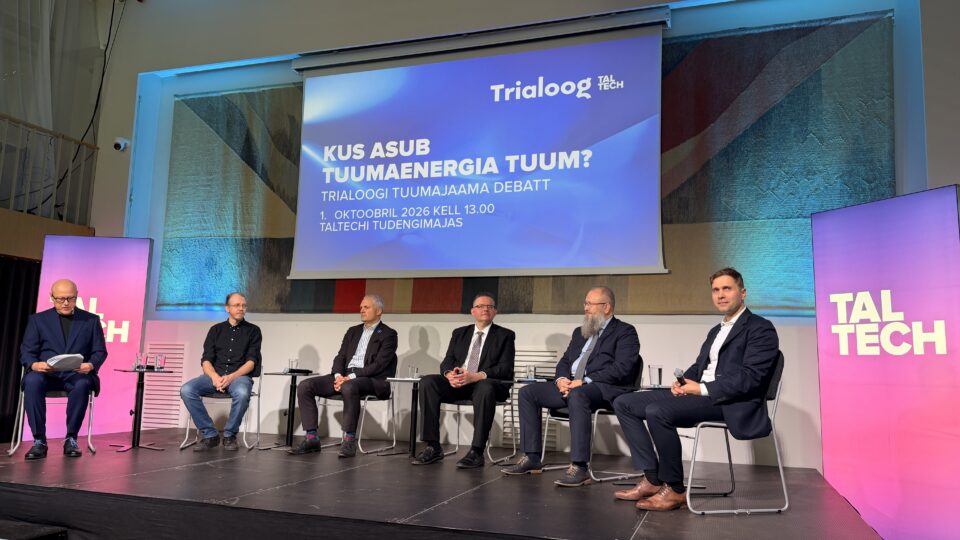
Estonia is establishing a nuclear regulator and looking for a potential plant site, although no decision to build a nuclear power plant has been made. A Trialoog debate highlighted several questions that must be answered first: how much small reactors will cost, the price of their electricity, the risk the state would assume, and whether Estonia has enough expertise and people to operate and oversee a plant safely.
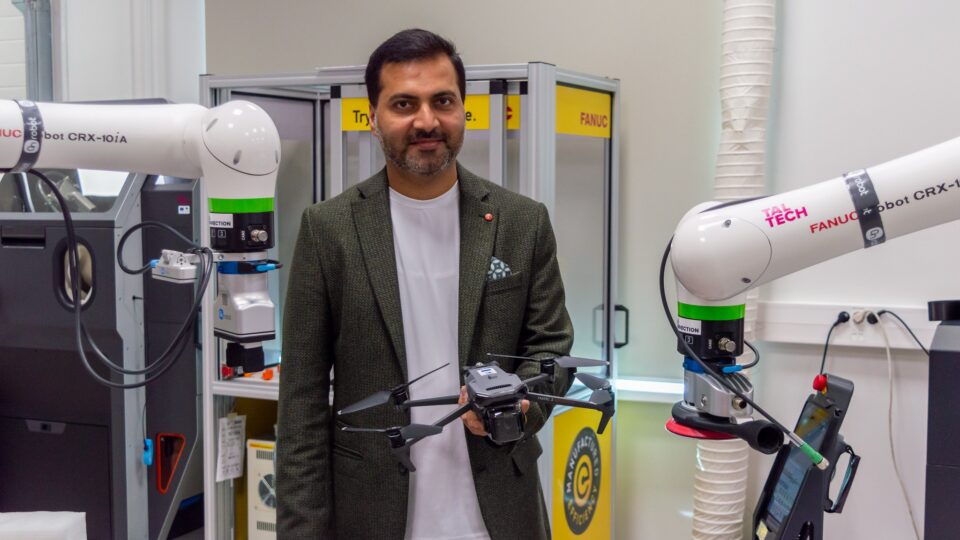
Pakistani researcher Kaleem Arshid has studied and worked in China, Italy and Spain. For the past few months, he has worked at TalTech’s Virumaa College, researching how people and intelligent machines can act as partners — with robots working alongside people rather than replacing them.

The final gala of the “Science in Three Minutes” competition takes place at the Estonian Academy of Sciences at 18:00 on 6 October, with fifteen early-career researchers presenting their research in just three minutes.