
TalTech’s biotechnology spin-off ÄIO has reached a major milestone. In September, the company completed its first full-scale production batch, resulting in a ton of yeast-based alternative oil.
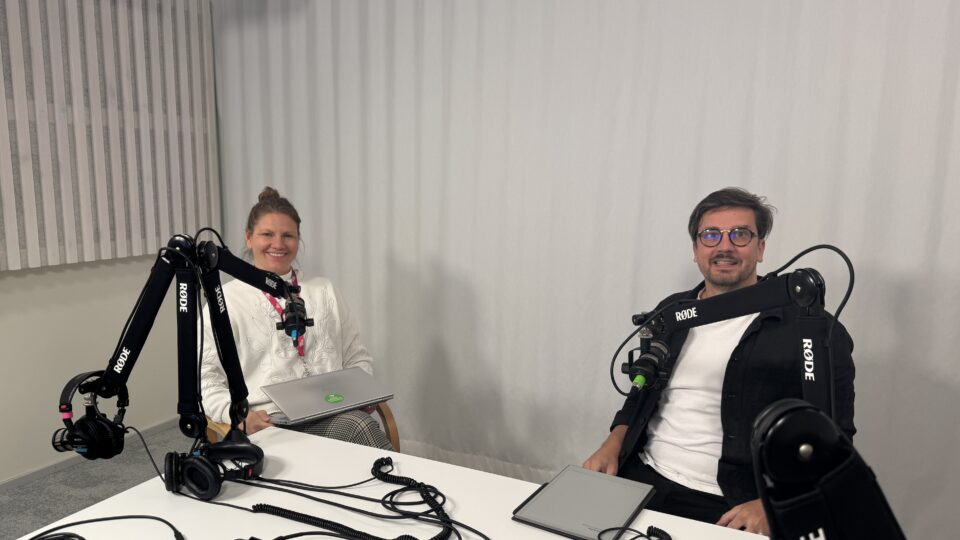

A significant event took place at Tallinn University of Technology on 17 September: the launch of the Islamic Public Value Network. This initiative crowns a major research project on Islamic public value, supported by the John Templeton Foundation. But what exactly is Islamic public value? How does it respond to today’s societal challenges, and why does it matter for governance across the world?
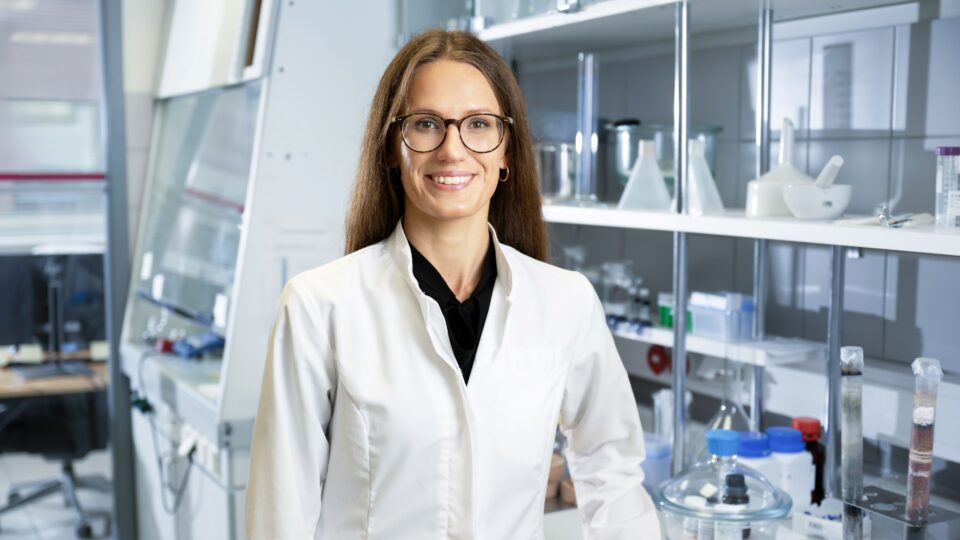
Under the leadership of Kristiina Kaldas, senior researcher at the Department of Chemistry and Biotechnology at Tallinn University of Technology, efforts are underway to give new life to oil shale industry waste and to develop a more sustainable chemical industry.
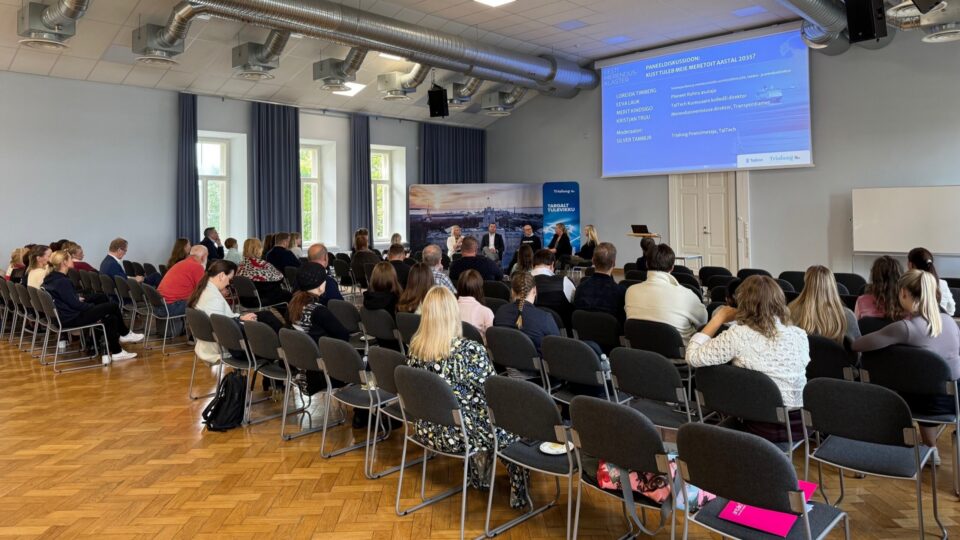
Although Estonia is a maritime country, our people still prefer meat or imported salmon and trout over domestic fish on their plates. Local fish rarely reaches store shelves and even less frequently the dining table – for several reasons: availability, quality, price, prejudices about Baltic Sea pollution, and even the lingering smell of fish in the kitchen.

Small and medium-sized enterprises (SMEs) dominate the business landscape in Europe and globally. A new doctoral thesis defended at TalTech Department of Business Administration by Tarlan Ahmadov argues that unless their role in the circular economy is understood and supported, sustainability will remain a niche project rather than a mainstream reality.
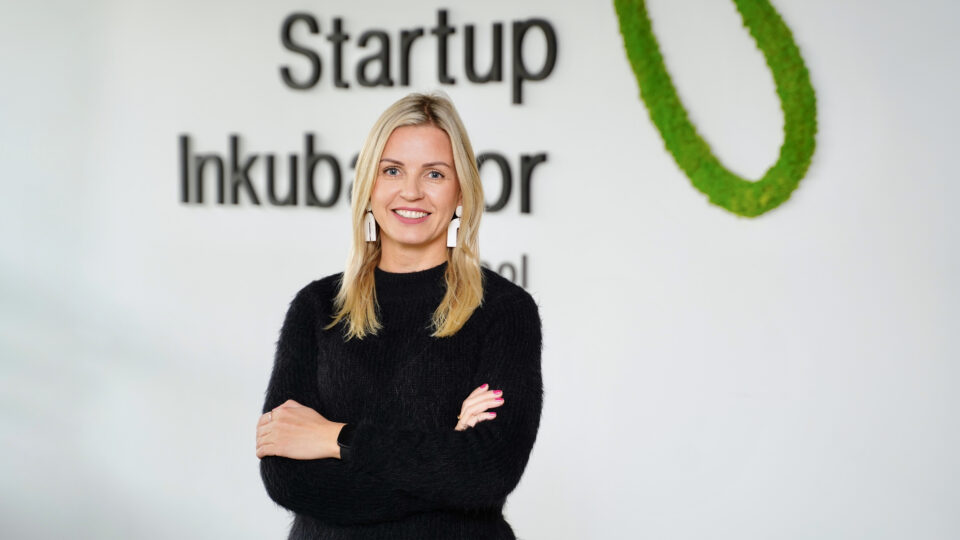
Estonia’s startup sector has enjoyed international success over the years, but lately there’s a sense that the ecosystem needs a refresh. Much of the earlier success came from those who dared to take the first step – to venture into the unknown, take risks, and believe in their ideas. Today, we urgently need that same courage again, so the next wave of startup success stories can rise.
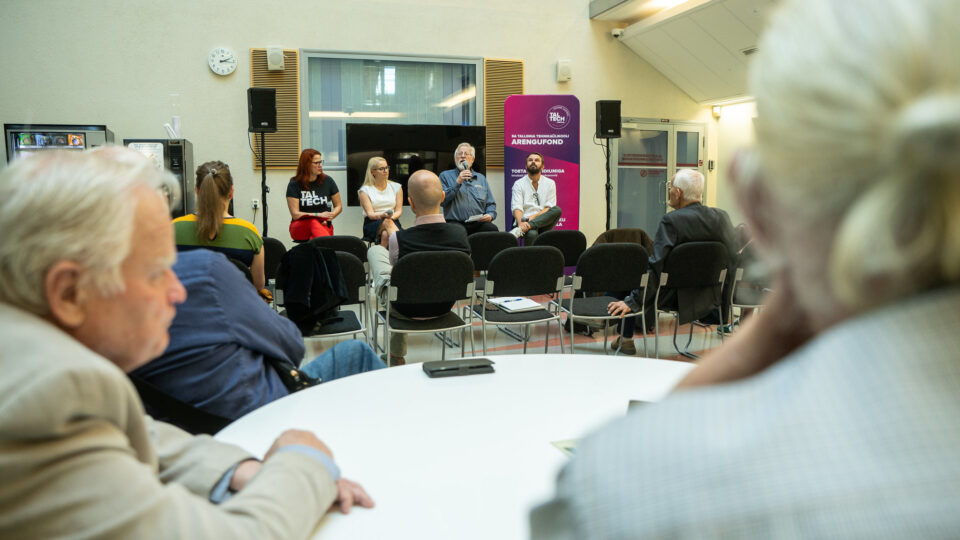
TalTech’s Green Theme Month panel discussion tackled one of Estonia’s greatest social contradictions – climate skepticism – and asked what sustainability means in today’s world and which environmental problems engineering can actually solve. The discussion brought together academician Tarmo Soomere, professor Erkki Karo, ESG specialist Merili Vares, and was moderated by Mari Öö Sarv, editor-in-chief of Mente et Manu.
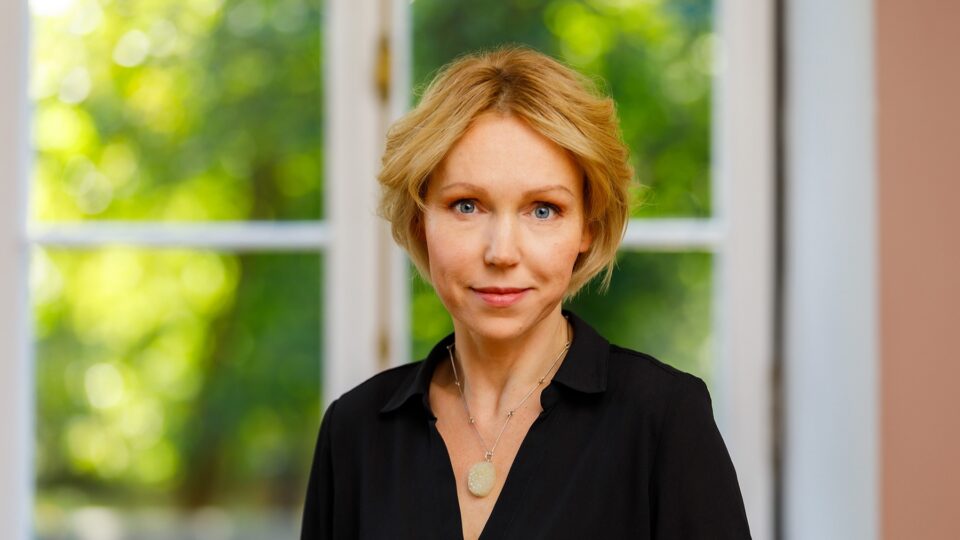
What is the energy transition? And why do we even need one – why can’t we just continue with oil shale?
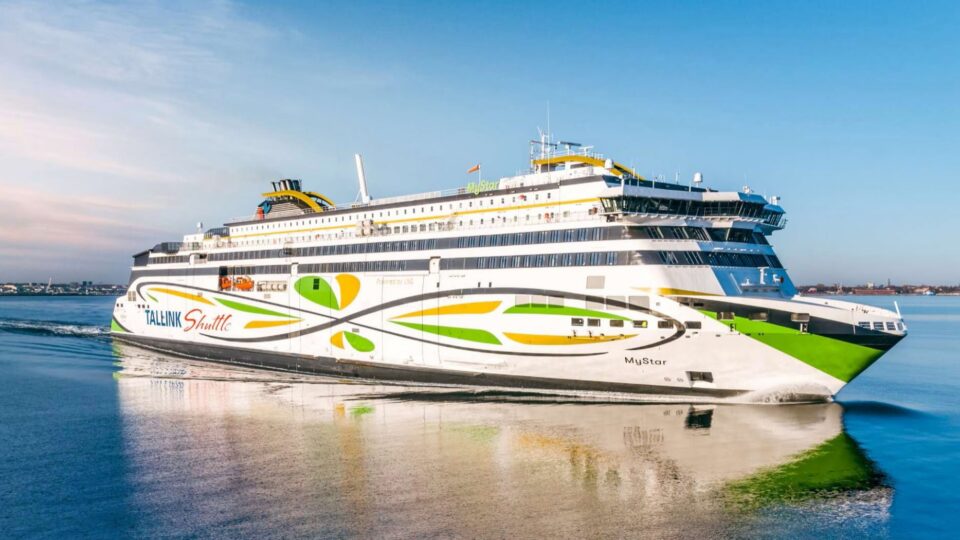
The global shipping industry stands at the crossroads of sustainability and profitability, grappling with emissions cuts, new technologies, and the monumental costs of going green. Sina Atari, who recently defended his PhD thesis at TalTech, has dived deep into the financial undercurrents of this sector – uncovering surprising gaps, challenges, and opportunities that could reshape maritime investment strategies.
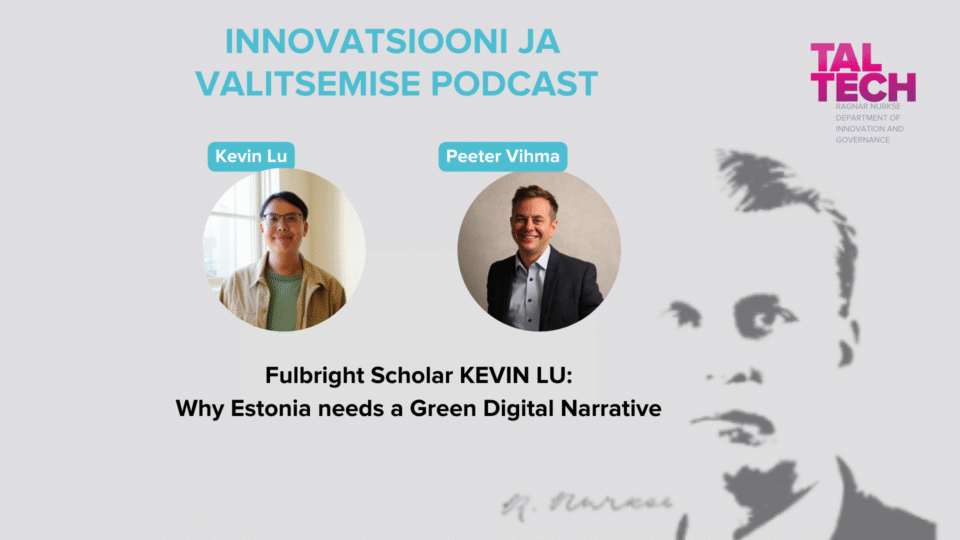
Fulbright scholar Kevin Lu spent a year in Estonia mapping its climate-tech ecosystem – now he shares what he discovered, and why the country needs a green digital narrative.