
Narfe World, a company founded by TalTech alumnus Abdul Salam Mohammed and his team, aims to transform how people plan their travels. The platform, currently being developed in the Tehnopol AI Accelerator, uses artificial intelligence to turn travel content produced by online creators into personalised itineraries.
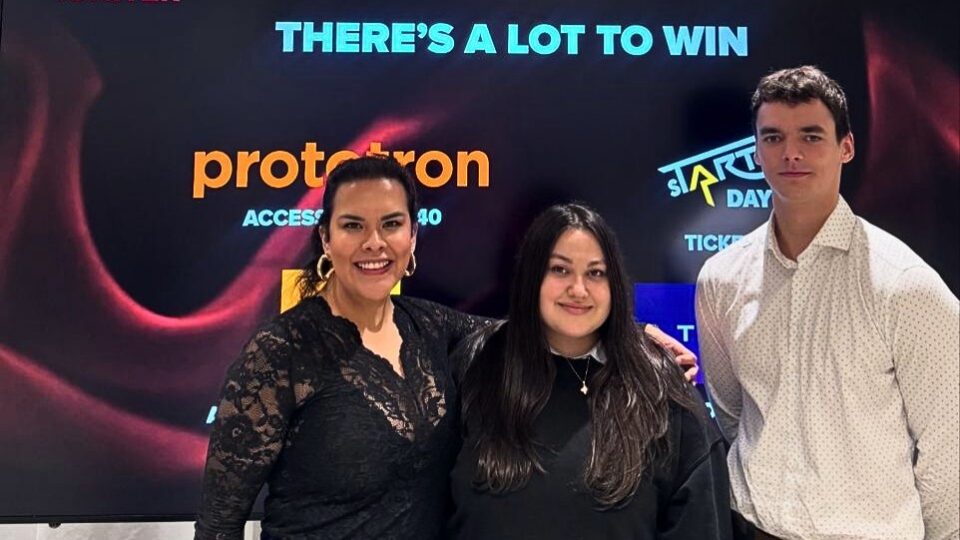
Joonas Parre entered TalTech’s Igniter programme with a blank page. No idea, no team, no company. A few months later, he was helping build Vivia – a WhatsApp-based healthtech startup designed to remind older adults to take their medicine, reduce loneliness and give families peace of mind.

A young city tree can die long before anyone notices. Above ground, it may still look alive; below the pavement, its roots may already be struggling with dry soil, compacted ground or poor growing conditions. TalTech professor Muhammad Mahtab Alam wants to make that hidden stress visible with a sensor- and AI-based system that helps cities know when trees need water – and how to keep urban greenery alive in a changing climate.

Why does the same fertility treatment produce a considerable number of eggs in one woman, but only a few in another? One possible answer may lie in the egg cell’s immediate surroundings – the environment in which the egg grows and matures before ovulation.
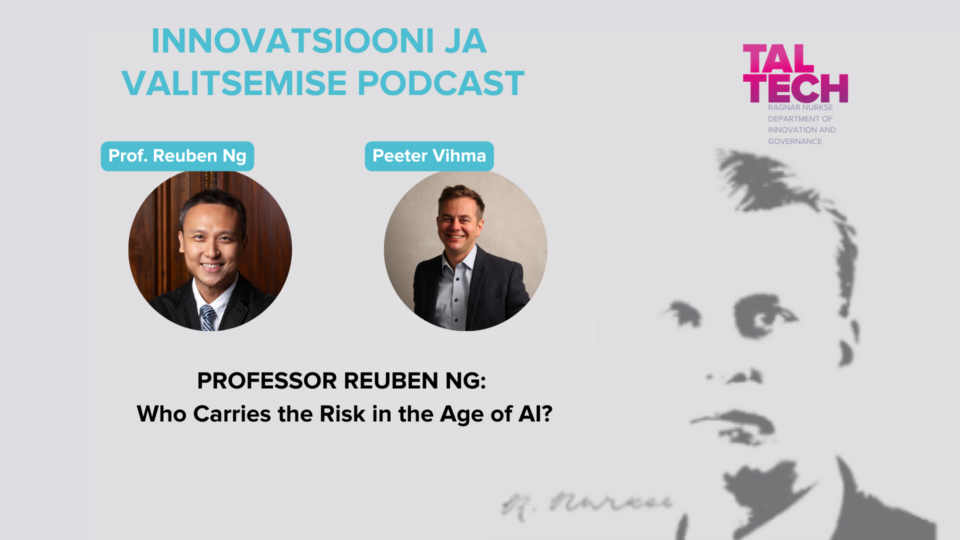
Artificial intelligence is often discussed as a story of speed, efficiency and disruption. But behind every promise of smarter systems lies a more human question: who carries the risk when technology reshapes work, governance and society?
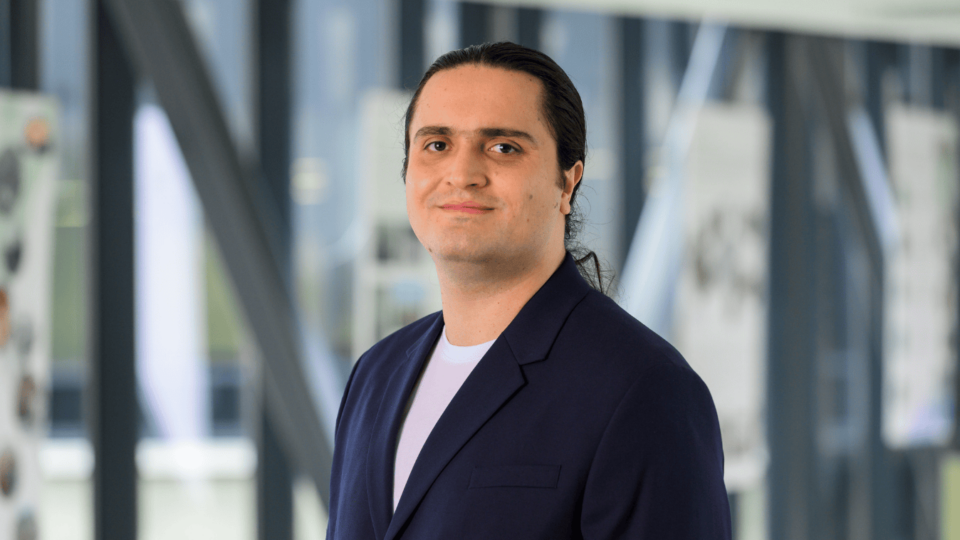
Turkey’s exclusion from the European Union’s SAFE (Security Action for Europe) defence funding programme – due to the absence of a formal security agreement with Brussels – has prompted its leading defence companies to adopt a pragmatic “local bridge” strategy.

DCR Technologies, a company spun out of TalTech, is developing technology that helps prepare today’s electrical devices for the arrival of direct-current networks. The company aims to reduce energy losses and prevent costly retrofits in the future.

Tallinn University of Technology-supported Estonian natural cosmetics brand tilk! is patenting a method for producing a black garlic-based extract that originated nearly five years ago through collaboration with TalTech researchers. To protect the innovation developed in Estonia, the company has registered a utility model and also submitted an international patent application.
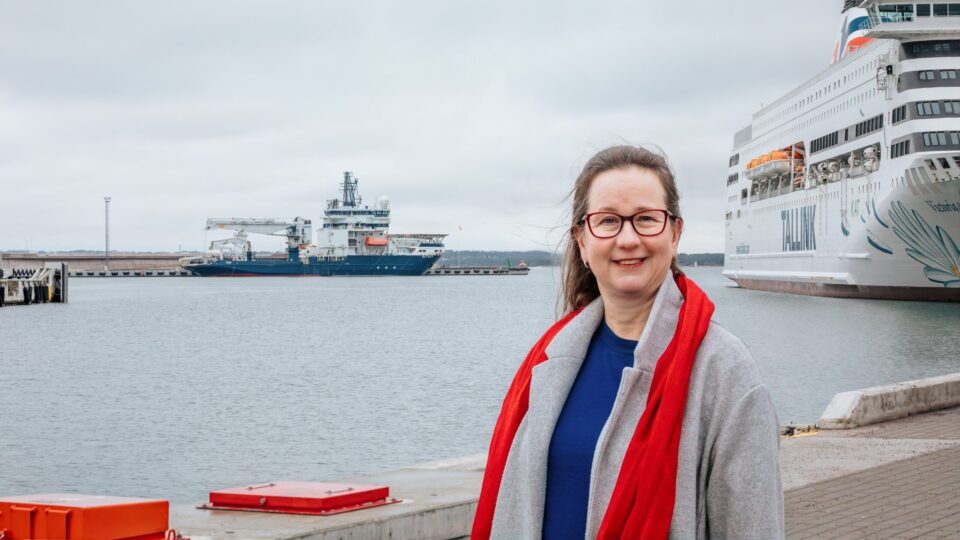
Whoever controls the world’s maritime transport flows controls the world. This phrase has, over the centuries, guided everyone from Christopher Columbus and the East India Companies of the seventeenth–nineteenth centuries to US President Donald Trump.
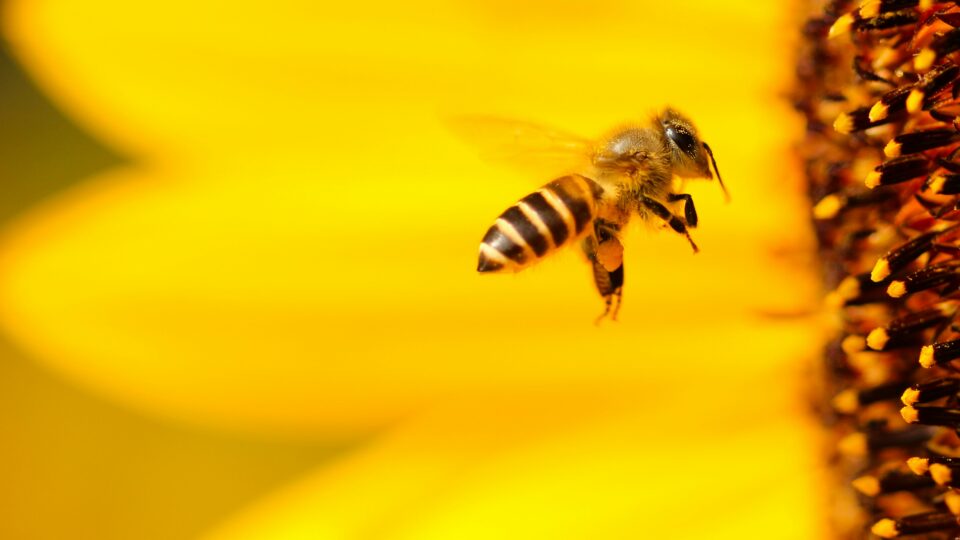
Electrical engineering expert and beekeeper Aleksander Kilk writes that bees play a far greater role than merely producing honey: they preserve biodiversity, support food security and offer people an example of intelligent cooperation. In his view, we ourselves could learn a good deal from a bee colony: how to act collectively, purposefully and in harmony with nature.