Drinks and fats are just the beginning: how to sell science to the world?

24.11.2026
Drinks and fats are just the beginning: how to sell science to the world?. 24.11.2026. Consumers buying a Raw Edge drink may have no idea that the fermentation technology used to make it could also produce gummy sweets or powdered drinks. According to Kristel Vene, Head of TalTech’s Food Science and Technology Research Group, the drink primarily represents a technology with an enormous range of potential applications: “It is very difficult to make investors understand that selling drinks is not actually what we do.” At the same time, Raw Edge helps demonstrate the technology’s commercial potential. Vene says Estonia’s small and demanding market is an excellent testing ground for innovative solutions. If a product wins over customers here, a company can enter foreign markets with concrete sales results and offer other manufacturers the opportunity to use the same technology. To use a technology, you first need to understand it Biotechnology company ÄIO also finds it difficult to explain that its value lies primarily in its production process and the wider uses it could have. ÄIO is developing a technology that uses microorganisms to produce fats. This approach enables industries to make effective use of by-products, as the resulting fats can be used to make new products. The company’s Chief Technology Officer, Mary-Liis Kütt, says familiar comparisons are needed to explain complex science. ÄIO compares its fats with palm oil, although this parallel can create the mistaken impression that palm oil is precisely what the company produces. Even more persistent is the belief that ÄIO makes fat from sawdust. In fact, sawdust can be used to produce a potential feedstock for the company’s production process. Kütt says correcting these misconceptions requires repeatedly explaining what the company does and the possibilities its technology offers. Lauri Peil, Head of Customer Relations and Sales at Estonian biotechnology company Icosagen, believes Estonian researchers do not talk enough about their achievements. Publishing a research paper is not enough if potential customers and investors never hear about the results. Researchers should therefore speak confidently even about smaller advances and involve marketing specialists when necessary. “We should fill social media, the written press and conferences with our achievements and simply keep hammering home the same message, over and over again,” Peil emphasised. Kütt says Estonian research institutions nevertheless have an important advantage internationally: major foreign companies commission research here because Estonian researchers can deliver results faster than partners in their home countries. She considers Estonia’s low international profile a greater obstacle. The country’s geopolitical location has also made some investors cautious. A good idea can founder over a few dozen cents Researchers and entrepreneurs often have different expectations about both timescales and prices. Vene says researchers frequently look ten or twenty years ahead, while entrepreneurs have to consider today’s costs and demand. Kütt described an Estonian food company for which researchers developed milk powder intended for infants with lactose or milk protein intolerance. Although development was successful, the product would have cost around 30 cents more to produce than a conventional alternative. The company abandoned the plan. Vene believes Estonia’s food industry tends to favour safe choices. Companies follow market trends, including the growing popularity of protein and fibre, but rarely experiment with entirely new ideas. As a result, several research developments have remained on the shelf for lack of a partner. As a positive example, Vene highlighted cooperation with Balbiino that brought a novel product to market. Peil believes researchers should consider which customer problem they are solving from the very start of development. Entrepreneurs are guided more by the desired outcome than by a particular product. Expectations change with circumstances, however, so researchers must be ready to adapt their work to customers’ needs. Which research developments deserve investment? A solution may be excellent, but developing it takes money; without funding, the idea may never be put to use. Peil described the field of biological medicines, where investment has almost recovered after a downturn, but money is mainly flowing into large deals and proven technologies. A start-up can therefore find it very difficult to secure financial backing for its idea, even if it needs only a million euros. Vene described Raw Edge’s experience: the company raised around €300,000 in its first two years, but investors often offered only €5,000–€10,000 at a time. Even larger offers were frequently limited to no more than a few tens of thousands of euros. Alongside funding, Estonia must consider which research developments are worth backing at all. Health technology entrepreneur Ain Aaviksoo believes a small country must make focused choices, as it cannot compete with world leaders in every scientific field. Priority should go to areas where Estonia is already strong and where knowledge from different disciplines can complement one another. Know your customer in the global market Aaviksoo advised researchers to establish at the very start of their work whether there is demand abroad for a solution to the problem they are addressing. In his view, many Estonian entrepreneurs lack the experience needed to sell innovative technologies internationally. Limited experience can also undermine confidence. Researchers could help entrepreneurs identify potential buyers and give them greater confidence to invest. Vene mentioned Estonia’s food industry as one opportunity: it could benefit more from the good reputation European food enjoys in foreign markets. Products of European origin are regarded as high-quality and trustworthy in many countries. Research-based innovation, longer shelf life and easier transport could help Estonian products reach more distant markets. Kütt encouraged entrepreneurs to approach researchers more readily, as universities can help them save both time and money. Researchers, however, must recognise that companies need quick results. “It is lovely to do these three- and five-year projects, but unfortunately a company needed the solution yesterday,” Kütt said. Peil urged researchers to be more confident about starting businesses themselves and seeking partners at other universities. He believes many opportunities are missed because researchers do not know what colleagues elsewhere are doing. “People, just get together, communicate and talk, because that is how ideas emerge and that is how collaborations begin,” Peil said, summing up the discussion. This panel discussion took place at the Health Innovation Summit organised by the Health and Food Technologies Focus Centre of Excellence and Adapter in Tallinn on 6 November 2026, bringing together research, business and practical health technology solutions.
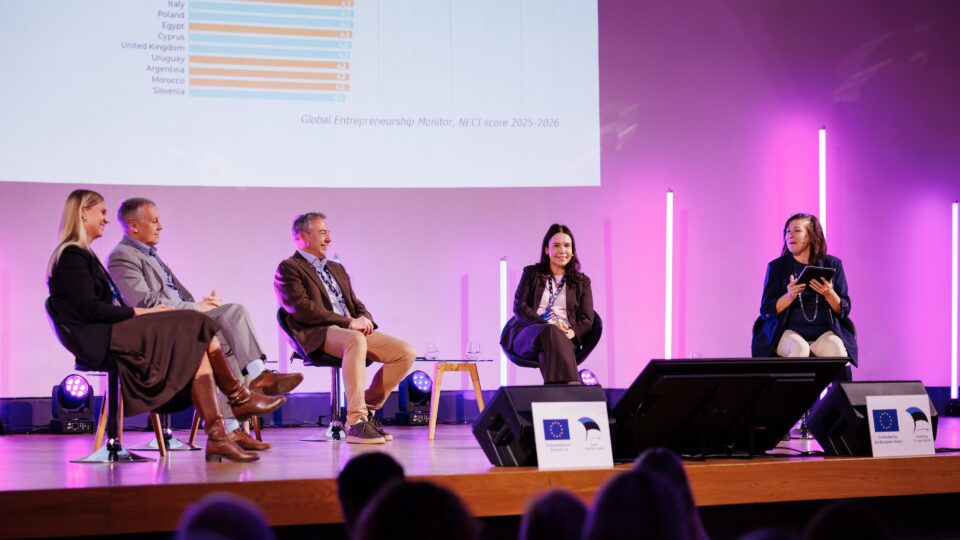
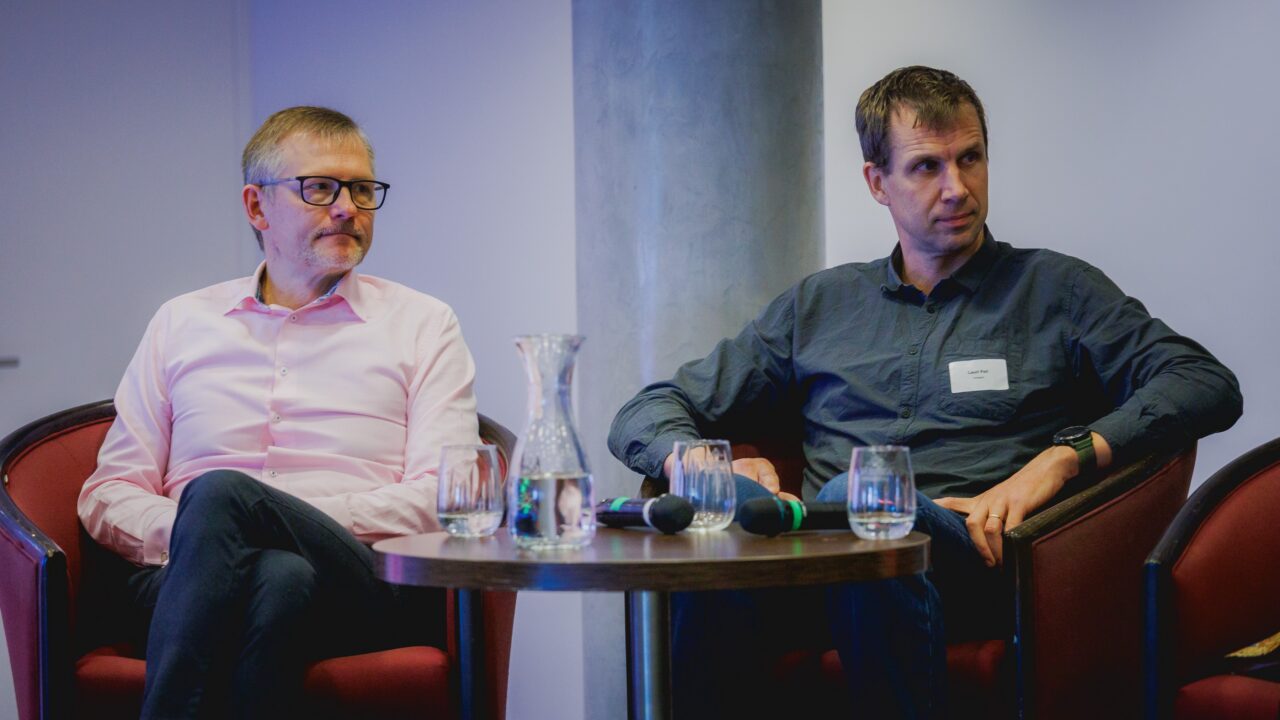
A panel at the health and food technology development day explored how to turn Estonian researchers’ achievements into internationally successful businesses and strengthen cooperation between researchers and entrepreneurs. Photo: Harry Tiits

A panel at the health and food technology development day explored how to turn Estonian researchers’ achievements into internationally successful businesses and strengthen cooperation between researchers and entrepreneurs. Photo: Harry Tiits

Estonian researchers can develop innovative products, but selling the technology behind those solutions is far from easy. How can investors be convinced that a method for making a drink or a food fat could have much wider applications?

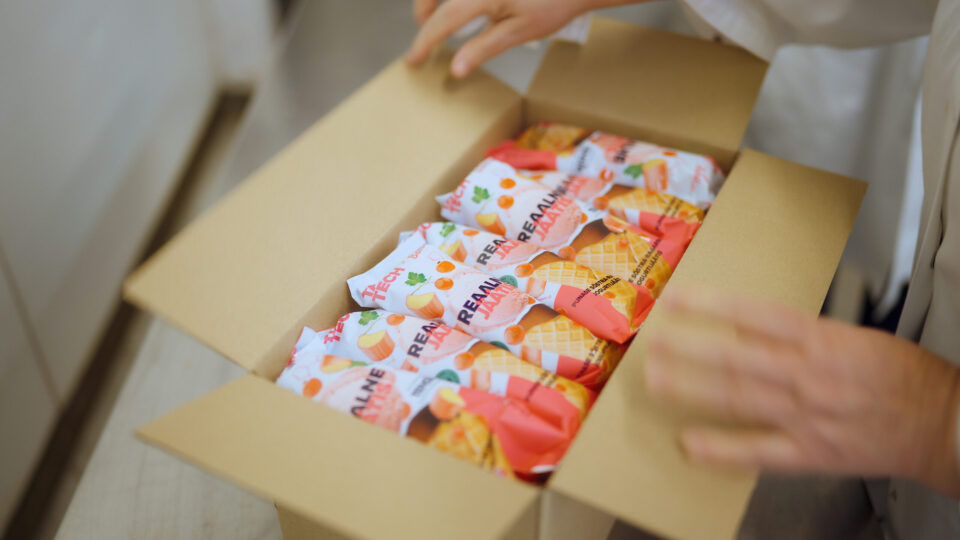
Consumers buying a Raw Edge drink may have no idea that the fermentation technology used to make it could also produce gummy sweets or powdered drinks. According to Kristel Vene, Head of TalTech’s Food Science and Technology Research Group, the drink primarily represents a technology with an enormous range of potential applications: “It is very difficult to make investors understand that selling drinks is not actually what we do.”

At the same time, Raw Edge helps demonstrate the technology’s commercial potential. Vene says Estonia’s small and demanding market is an excellent testing ground for innovative solutions. If a product wins over customers here, a company can enter foreign markets with concrete sales results and offer other manufacturers the opportunity to use the same technology.

To use a technology, you first need to understand it

Biotechnology company ÄIO also finds it difficult to explain that its value lies primarily in its production process and the wider uses it could have. ÄIO is developing a technology that uses microorganisms to produce fats. This approach enables industries to make effective use of by-products, as the resulting fats can be used to make new products.

The company’s Chief Technology Officer, Mary-Liis Kütt, says familiar comparisons are needed to explain complex science. ÄIO compares its fats with palm oil, although this parallel can create the mistaken impression that palm oil is precisely what the company produces.

Even more persistent is the belief that ÄIO makes fat from sawdust. In fact, sawdust can be used to produce a potential feedstock for the company’s production process. Kütt says correcting these misconceptions requires repeatedly explaining what the company does and the possibilities its technology offers.

Lauri Peil, Head of Customer Relations and Sales at Estonian biotechnology company Icosagen, believes Estonian researchers do not talk enough about their achievements. Publishing a research paper is not enough if potential customers and investors never hear about the results. Researchers should therefore speak confidently even about smaller advances and involve marketing specialists when necessary. “We should fill social media, the written press and conferences with our achievements and simply keep hammering home the same message, over and over again,” Peil emphasised.

Kütt says Estonian research institutions nevertheless have an important advantage internationally: major foreign companies commission research here because Estonian researchers can deliver results faster than partners in their home countries. She considers Estonia’s low international profile a greater obstacle. The country’s geopolitical location has also made some investors cautious.
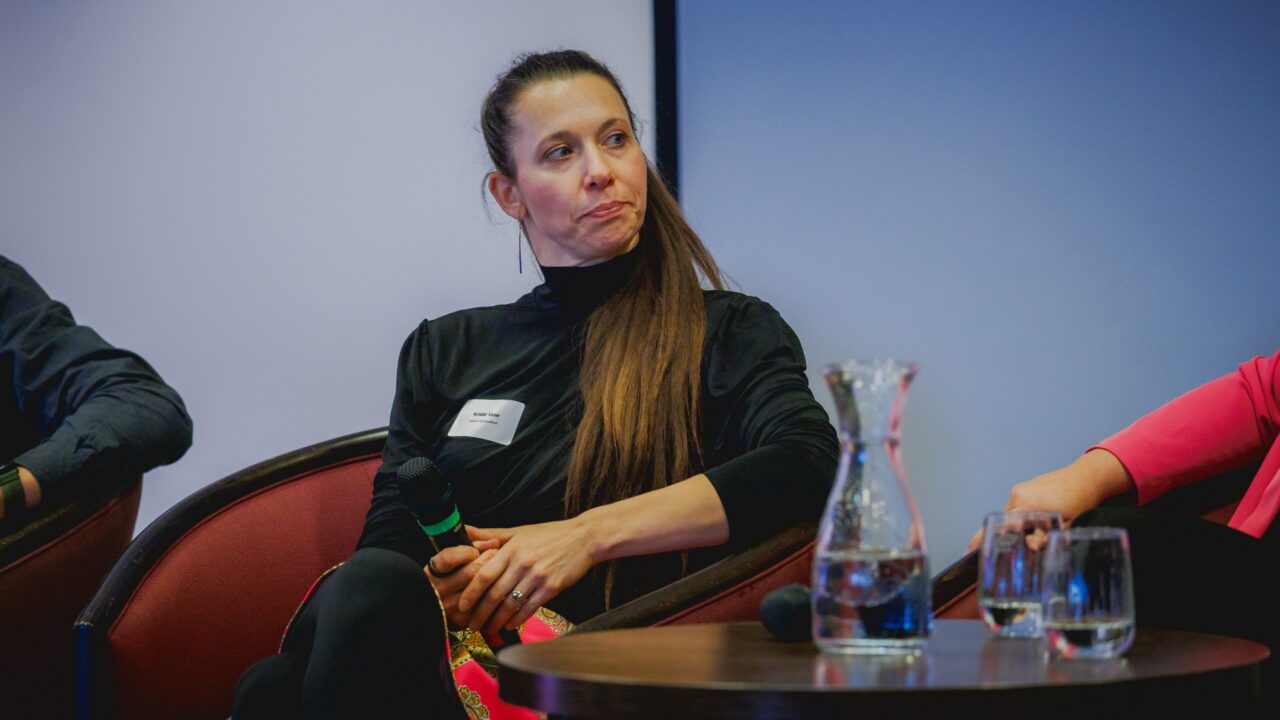
Kristel Vene noted that researchers and entrepreneurs often have different expectations about both timescales and prices. Photo: Harry Tiits

Kristel Vene noted that researchers and entrepreneurs often have different expectations about both timescales and prices. Photo: Harry Tiits

A good idea can founder over a few dozen cents

Researchers and entrepreneurs often have different expectations about both timescales and prices. Vene says researchers frequently look ten or twenty years ahead, while entrepreneurs have to consider today’s costs and demand.

Kütt described an Estonian food company for which researchers developed milk powder intended for infants with lactose or milk protein intolerance. Although development was successful, the product would have cost around 30 cents more to produce than a conventional alternative. The company abandoned the plan.

Vene believes Estonia’s food industry tends to favour safe choices. Companies follow market trends, including the growing popularity of protein and fibre, but rarely experiment with entirely new ideas. As a result, several research developments have remained on the shelf for lack of a partner. As a positive example, Vene highlighted cooperation with Balbiino that brought a novel product to market.

Peil believes researchers should consider which customer problem they are solving from the very start of development. Entrepreneurs are guided more by the desired outcome than by a particular product. Expectations change with circumstances, however, so researchers must be ready to adapt their work to customers’ needs.

Which research developments deserve investment?

A solution may be excellent, but developing it takes money; without funding, the idea may never be put to use. Peil described the field of biological medicines, where investment has almost recovered after a downturn, but money is mainly flowing into large deals and proven technologies. A start-up can therefore find it very difficult to secure financial backing for its idea, even if it needs only a million euros.

Vene described Raw Edge’s experience: the company raised around €300,000 in its first two years, but investors often offered only €5,000–€10,000 at a time. Even larger offers were frequently limited to no more than a few tens of thousands of euros.

Alongside funding, Estonia must consider which research developments are worth backing at all. Health technology entrepreneur Ain Aaviksoo believes a small country must make focused choices, as it cannot compete with world leaders in every scientific field. Priority should go to areas where Estonia is already strong and where knowledge from different disciplines can complement one another.
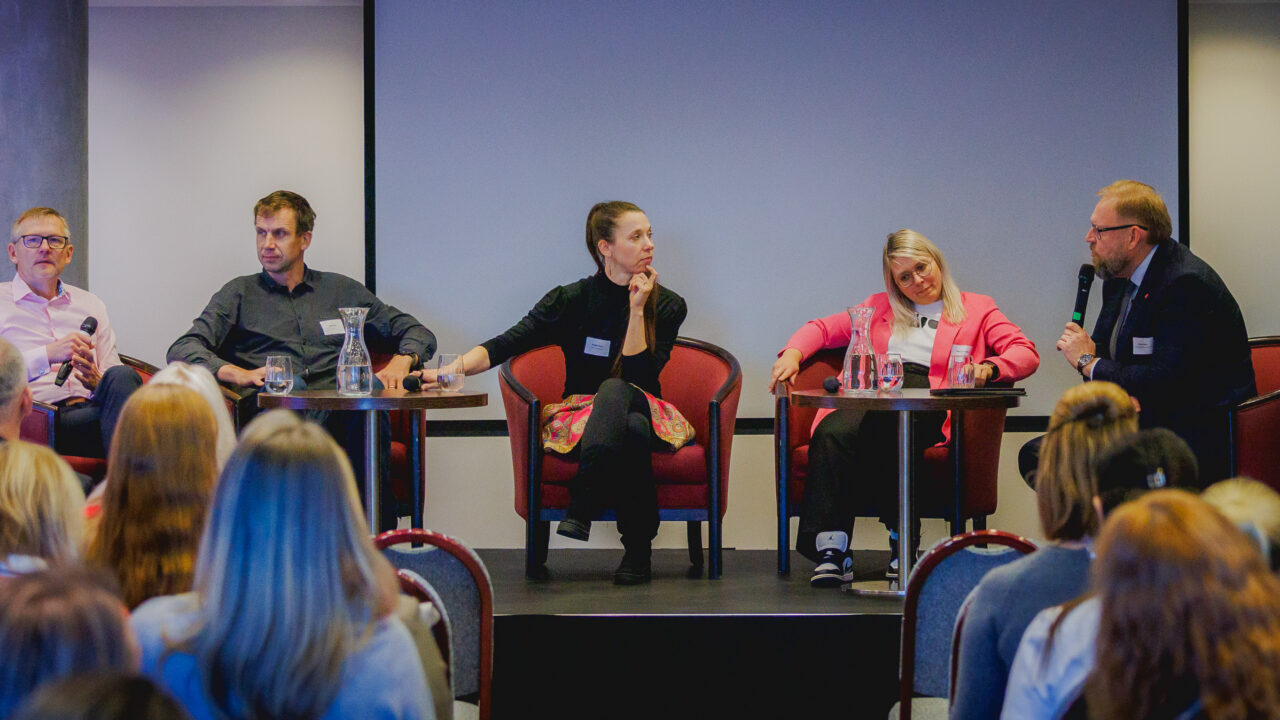
Aaviksoo (left) advised researchers to establish at the very start of a project whether there is demand abroad for a solution to the problem they are addressing. Photo: Harry Tiits

Aaviksoo (left) advised researchers to establish at the very start of a project whether there is demand abroad for a solution to the problem they are addressing. Photo: Harry Tiits

Know your customer in the global market

Aaviksoo advised researchers to establish at the very start of their work whether there is demand abroad for a solution to the problem they are addressing. In his view, many Estonian entrepreneurs lack the experience needed to sell innovative technologies internationally. Limited experience can also undermine confidence. Researchers could help entrepreneurs identify potential buyers and give them greater confidence to invest.

Vene mentioned Estonia’s food industry as one opportunity: it could benefit more from the good reputation European food enjoys in foreign markets. Products of European origin are regarded as high-quality and trustworthy in many countries. Research-based innovation, longer shelf life and easier transport could help Estonian products reach more distant markets.

Kütt encouraged entrepreneurs to approach researchers more readily, as universities can help them save both time and money. Researchers, however, must recognise that companies need quick results. “It is lovely to do these three- and five-year projects, but unfortunately a company needed the solution yesterday,” Kütt said.

Peil urged researchers to be more confident about starting businesses themselves and seeking partners at other universities. He believes many opportunities are missed because researchers do not know what colleagues elsewhere are doing. “People, just get together, communicate and talk, because that is how ideas emerge and that is how collaborations begin,” Peil said, summing up the discussion.

This panel discussion took place at the Health Innovation Summit organised by the Health and Food Technologies Focus Centre of Excellence and Adapter in Tallinn on 6 November 2026, bringing together research, business and practical health technology solutions.