Trialoog editor

Two people can eat the same food, yet one person's blood sugar rises much more than the other's afterwards. Researchers are exploring what such differences reveal about health and how to give each person advice tailored to their disease risks.
What if doctors could tell us years before an illness develops which health problems we are at risk of and how to prevent them? Elin Org, professor at the University of Tartu Institute of Genomics, spoke at a joint development day held by TalTech’s Health and Food Technologies Centre of Excellence and Adapter about how data on genes, gut bacteria and lifestyle could help identify disease risks early and add healthy years to people’s lives.
“Our shared goal is not so much to live to be 100–120 years old as to live as healthily as possible,” Org emphasised.
Estonia’s population is ageing and life expectancy is rising, but the number of healthy years is not increasing at the same pace. More and more people must live with chronic illnesses, placing a burden on both the healthcare system and society.
Org believes that extending people’s healthy lives by five years would already be a major achievement. To do that, disease risks must be identified as early as possible and illness prevented.
Four factors that shape our health
How accurately can a person’s future health risks be predicted? According to Org, this requires consideration of the combined effects of four factors: genes, the microbiome, lifestyle and environmental influences.
Genes give us certain predispositions from birth. For some people, these may increase the risk of heart disease or type 2 diabetes; for others, they may not. But our daily habits deserve just as much attention: what we eat, how much we exercise and sleep, and the stress we experience. “Even a person with a low genetic risk can become ill if they do not consider all the other components,” Org explained.
The microbiome – the community of microorganisms living in and on our bodies – also has an important role. While genes remain largely unchanged throughout life, the microbiome is continually influenced by our diet, environment and other habits.
Researchers aim to combine knowledge from these different areas to assess people’s health risks more accurately. In future, it may also be possible to monitor how changes in eating habits affect an individual’s health and likelihood of illness.
Estonia’s biobank is becoming a tool for disease prevention
According to Org, personalised medicine in Estonia has a major advantage. Around one fifth of the population has joined the Estonian Biobank, and researchers can link genetic data with people’s health data and research results.
Since 2024, gene donors have been able to view their risk of cardiovascular disease and type 2 diabetes through the biobank portal and obtain information about the suitability of medicines.
The portal also allows users to explore how different factors – including smoking, weight gain and changes in blood lipid levels – might affect their likelihood of developing disease over the next ten years.
Org regards breast cancer screening as a major success: it helps assess genetic risk and invite women at higher risk for mammography from the age of 40. She says approximately ten years of research and trials were needed to make this possible. Researchers hope to use a similar approach for other diseases, such as osteoporosis.
“Our shared goal is not so much to live to be 100–120 years old as to live as healthily as possible.”
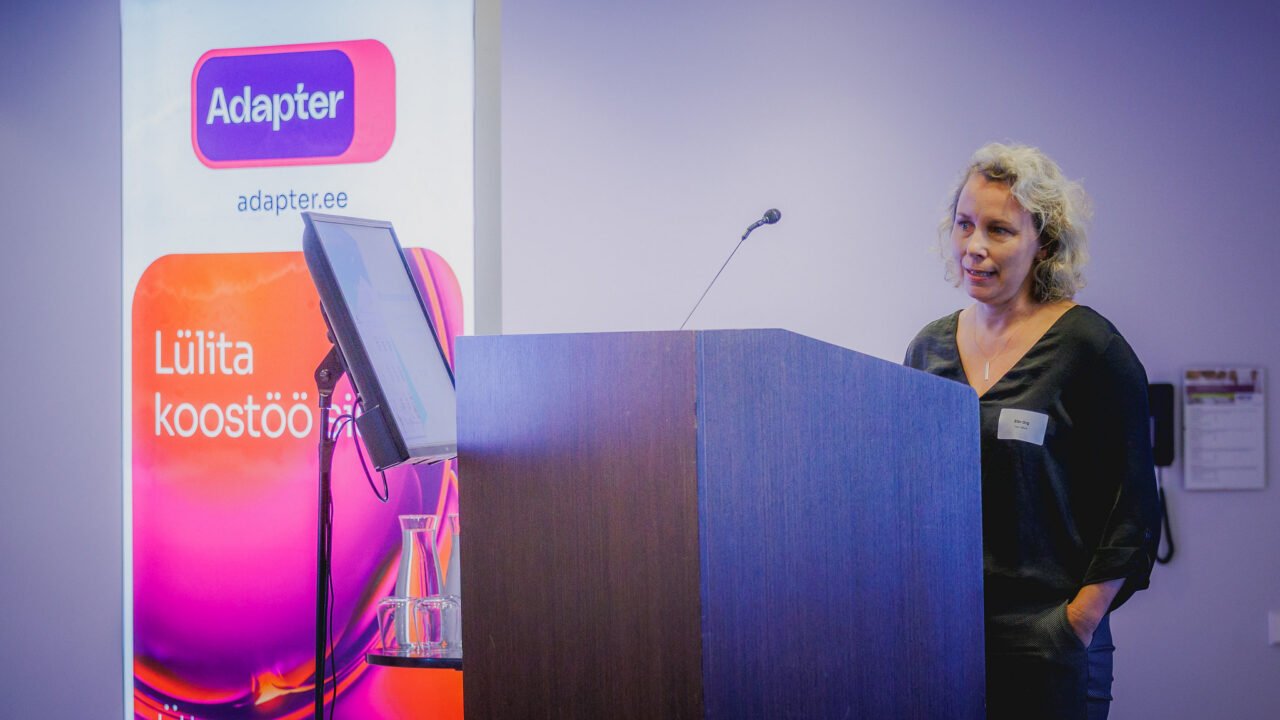
In Elin Org's vision, medicine could assess each person's disease risks, offer personalised recommendations and monitor how well the measures work. The results could then be used to refine the advice. Photo: Harry Tiits.
The same food, different effects
One of the most exciting areas of research is personalised nutrition. Org described a study conducted in Israel that tracked the effects of different meals on the blood sugar levels of 800 people.
It found that the same food can affect different people’s blood sugar levels very differently. “Dietary advice constantly tells us to eat one thing or another because it is better for us. But the research showed that the effect of food is very personal,” Org said.
One reason lies in gut bacteria, whose composition differs from person to person. Later studies showed that dietary advice taking a person’s gut bacteria into account can help improve metabolism and reduce body fat.
In future, people could receive guidance tailored to their individual biology alongside general dietary advice.
The microbiome may also help us better understand the effects of medicines. Genes are already known to influence how medicines work, including whether side effects occur. Because gut bacteria can break down medicines, researchers have begun investigating how to account for their influence more effectively.
More healthy years
Org mentioned a study being conducted in Israel in which researchers are following the health of 30,000 people over 25 years. Its broad scope allows them to collect regular data on participants’ sleep, gut microbiome and metabolism.
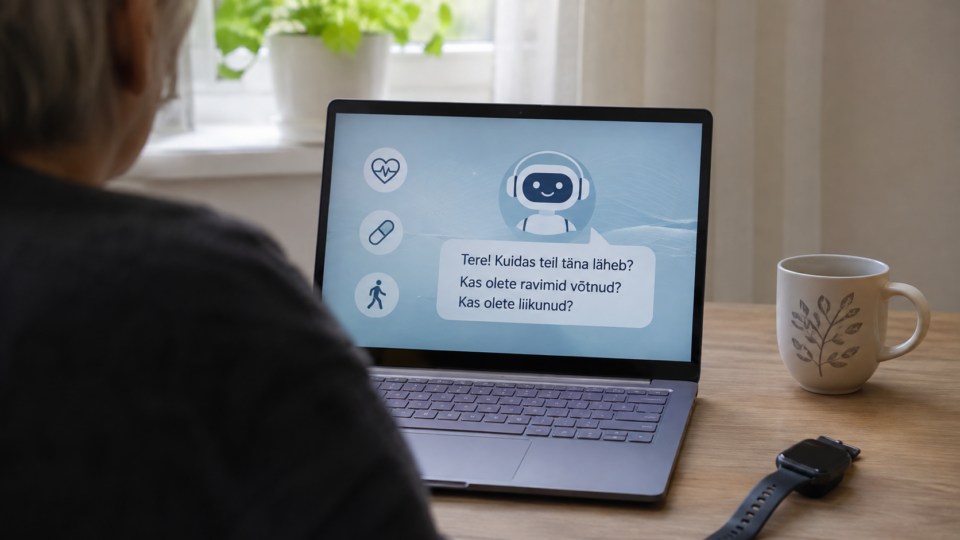
One long-term aim of such studies is to use artificial intelligence to create a digital health twin – a computer model that could help predict how a person’s health may change over time and how their choices may affect that course.
Among other things, the model is expected to predict how changes in eating and exercise habits affect a person’s disease risks. “Diseases do not arise at one particular moment; we need to follow what happens to a person over a longer period and why their condition deteriorates,” Org explained.
This requires researchers to collect long-term health data. A longer time span makes it possible to understand better which changes precede illness and what could be done to prevent it.
In Org’s vision, medicine could assess each person’s disease risks, offer personalised recommendations and monitor how well the measures offered to patients work. The results could then be used to make the recommendations more precise. “Value really arises when we can turn knowledge into health outcomes,” Org said in conclusion.
The ultimate aim is simple: to give people more healthy years.
“Value really arises when we can turn knowledge into health outcomes.”
The Health Innovation Summit, organised by the Health and Food Technologies Centre of Excellence and Adapter, took place in Tallinn on 6 November 2026, bringing together research, business and practical health technology solutions.