TalTech’s ice cream becomes a bestseller

19.11.2026
TalTech’s ice cream becomes a bestseller. 19.11.2026. TalTech’s Food Science and Technology Research Group leader and Senior Lecturer Kristel Vene recalled how the university came up with the idea of creating its own ice cream about two years ago. Vene saw an opportunity to bring food science to a wider audience and give students an exciting product development challenge. Three students were assigned to create TalTech’s very own ice cream. The next step was to find a company willing to manufacture it. They chose Balbiino, whose staff included several TalTech alumni. “We told the people at Balbiino that we wanted to create a product to compete with their Vanilla Ninja,” Vene recalled of the first meeting between the food technologists and the ice cream producer. She said Balbiino’s representatives burst out laughing, finding it hard to believe that a new ice cream could become more popular than Vanilla Ninja. Nevertheless, the idea sparked interest and the collaboration began. Innovation in ice cream production Vene said the ice cream project initially raised questions even among colleagues in food science. Why would a research group concerned with healthy eating develop a treat? The researchers’ reasoning was simple: why not make the ice cream people eat anyway somewhat healthier? The students decided to develop an ice cream based on Greek yoghurt, with less sugar but more fibre and beneficial bacteria. Initially, they planned to pair it with a wafer cone made from kama, an Estonian mixed-grain flour, but could not find a suitable manufacturer. They therefore decided to add the fibre directly to the ice cream mix. They also included Tensia, a probiotic bacterial strain developed by the Estonian company BioCC. Karina Siimberg, Export Manager at Balbiino, said the TalTech team’s ambition put the ice cream producer to the test. Whereas product development normally involves trying one innovation at a time, the university’s food scientists wanted to include several novel ingredients at once. “TalTech refused to budge,” Siimberg recalled with a smile. Balbiino therefore had to find a way to make the ingredients work together. The yoghurt base is made on site by fermenting milk specifically for this purpose. “We told the people at Balbiino that we wanted to create a product to compete with their Vanilla Ninja.” 40,000 ice creams disappear from the shelves in two weeks Vene said the team was surprised by how quickly the students’ ice cream went into production. The sales success that followed was even more unexpected. The first batch of 40,000 ice creams was produced on 13 March 2026. They initially hoped it would last the entire summer. A sales agreement had been signed with Maxima, but news of TalTech’s ice cream spread rapidly on social media and other retail chains soon became interested. “By Wednesday, both R-Kiosk and Selver were knocking on our door because of the TalTech ice cream,” Vene recalled. A new product normally takes six months to a year to reach retail chains. This time, the retailers approached the producer themselves. When Balbiino told Vene on 1 April that the entire first batch had sold out and more ice cream urgently needed to be produced, she initially thought it was an April Fool’s joke. In fact, all 40,000 had disappeared from the shelves in just two and a half weeks. Siimberg said it was particularly surprising that the new yoghurt ice cream even made it into petrol stations, whose ranges usually consist of familiar products with proven sales figures. “It seemed completely unbelievable that different petrol station chains started calling us to ask whether they could get a quotation,” Siimberg said. Is Vanilla Ninja’s crown under threat? Balbiino has now sold almost 400,000 TalTech ice creams – more than nine times the number initially expected for the entire summer. According to Siimberg, the story of TalTech’s ice cream showed just how valuable cooperation with a university can be. Although Balbiino launches around ten new ice creams every year, the students’ and researchers’ ideas helped it look at product development afresh. “When you step outside fixed boundaries and try new ideas, the best solutions reach customers.” Vene believes the collaboration gave the students invaluable experience. They had the opportunity to go through the entire product development process and learn about the possibilities and limitations of industrial production. The project also helped raise awareness of TalTech’s food technology programme. In turn, it gave Balbiino the confidence to develop new products with the university’s support in the future. Time will tell whether TalTech’s ice cream will ever dethrone Vanilla Ninja. One thing is certain: cooperation between the university and the company has produced a nationwide bestseller. “It seemed completely unbelievable that different petrol station chains started calling us to ask whether they could get a quotation.” This presentation took place at the Health Innovation Summit organised by the Health and Food Technologies Focus Centre of Excellence and Adapter in Tallinn on 6 November 2026, bringing together research, business and practical health technology solutions.
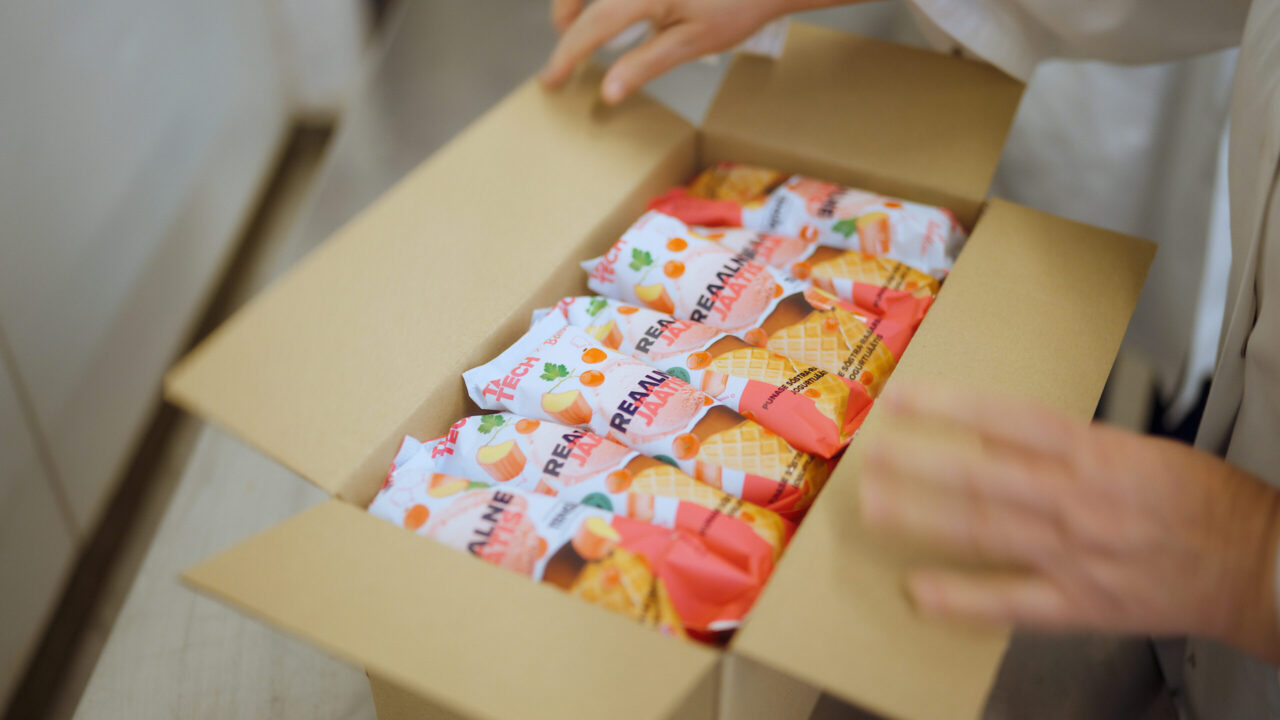
Developed jointly by TalTech students and Balbiino, the yoghurt ice cream contains less sugar than conventional ice cream, along with fibre and probiotic bacteria. The first batch of 40,000 sold out in just two and a half weeks. Photo: TalTech

Developed jointly by TalTech students and Balbiino, the yoghurt ice cream contains less sugar than conventional ice cream, along with fibre and probiotic bacteria. The first batch of 40,000 sold out in just two and a half weeks. Photo: TalTech

When TalTech students set out to create the university’s own ice cream, the aim was to bring food science and product development together. The result surprised even an experienced ice cream producer: almost 400,000 have now been sold.

TalTech’s Food Science and Technology Research Group leader and Senior Lecturer Kristel Vene recalled how the university came up with the idea of creating its own ice cream about two years ago. Vene saw an opportunity to bring food science to a wider audience and give students an exciting product development challenge. Three students were assigned to create TalTech’s very own ice cream.

The next step was to find a company willing to manufacture it. They chose Balbiino, whose staff included several TalTech alumni.

“We told the people at Balbiino that we wanted to create a product to compete with their Vanilla Ninja,” Vene recalled of the first meeting between the food technologists and the ice cream producer. She said Balbiino’s representatives burst out laughing, finding it hard to believe that a new ice cream could become more popular than Vanilla Ninja. Nevertheless, the idea sparked interest and the collaboration began.

Innovation in ice cream production

Vene said the ice cream project initially raised questions even among colleagues in food science. Why would a research group concerned with healthy eating develop a treat? The researchers’ reasoning was simple: why not make the ice cream people eat anyway somewhat healthier?

The students decided to develop an ice cream based on Greek yoghurt, with less sugar but more fibre and beneficial bacteria. Initially, they planned to pair it with a wafer cone made from kama, an Estonian mixed-grain flour, but could not find a suitable manufacturer. They therefore decided to add the fibre directly to the ice cream mix. They also included Tensia, a probiotic bacterial strain developed by the Estonian company BioCC.

Karina Siimberg, Export Manager at Balbiino, said the TalTech team’s ambition put the ice cream producer to the test. Whereas product development normally involves trying one innovation at a time, the university’s food scientists wanted to include several novel ingredients at once. “TalTech refused to budge,” Siimberg recalled with a smile.

Balbiino therefore had to find a way to make the ingredients work together. The yoghurt base is made on site by fermenting milk specifically for this purpose.

“We told the people at Balbiino that we wanted to create a product to compete with their Vanilla Ninja.”
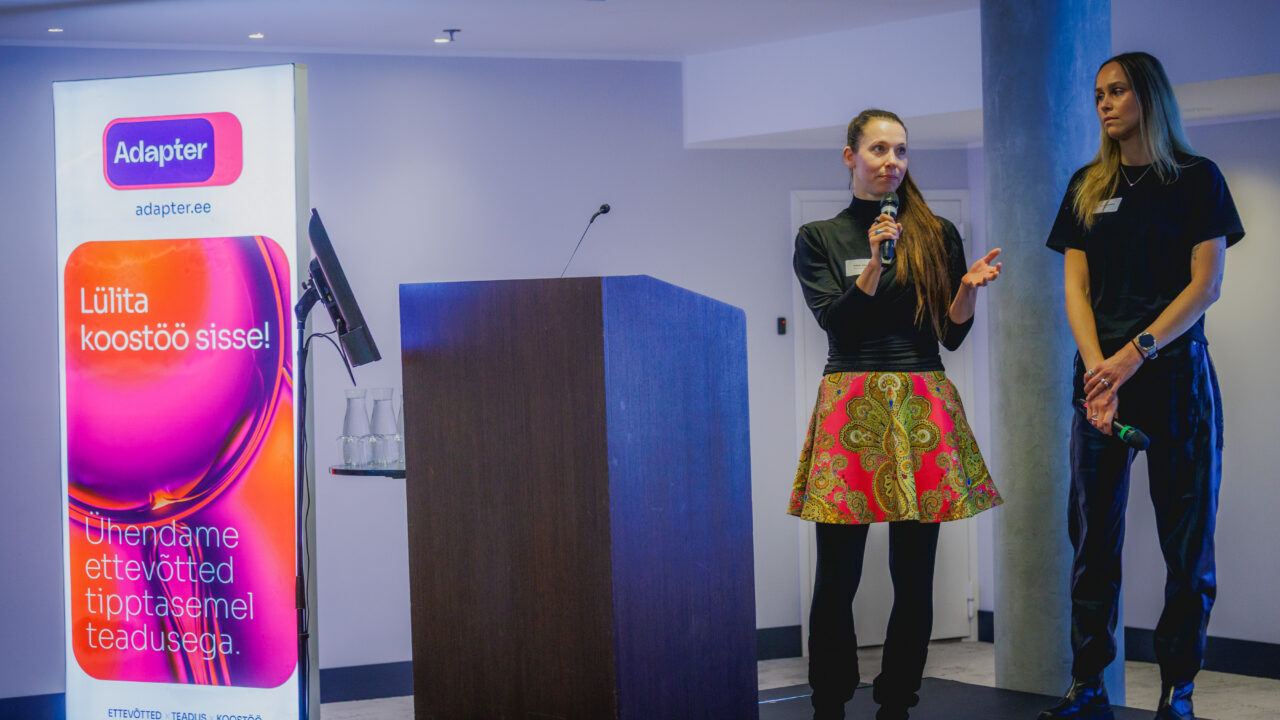
Kristel Vene, Head of TalTech’s Food Science and Technology Research Group, and Karina Siimberg, Export Manager at Balbiino, explained how their joint product development eventually exceeded even the boldest sales expectations. Photo: Harry Tiits

Kristel Vene, Head of TalTech’s Food Science and Technology Research Group, and Karina Siimberg, Export Manager at Balbiino, explained how their joint product development eventually exceeded even the boldest sales expectations. Photo: Harry Tiits

40,000 ice creams disappear from the shelves in two weeks

Vene said the team was surprised by how quickly the students’ ice cream went into production. The sales success that followed was even more unexpected.

The first batch of 40,000 ice creams was produced on 13 March 2026. They initially hoped it would last the entire summer. A sales agreement had been signed with Maxima, but news of TalTech’s ice cream spread rapidly on social media and other retail chains soon became interested. “By Wednesday, both R-Kiosk and Selver were knocking on our door because of the TalTech ice cream,” Vene recalled.

A new product normally takes six months to a year to reach retail chains. This time, the retailers approached the producer themselves.

When Balbiino told Vene on 1 April that the entire first batch had sold out and more ice cream urgently needed to be produced, she initially thought it was an April Fool’s joke. In fact, all 40,000 had disappeared from the shelves in just two and a half weeks.

Siimberg said it was particularly surprising that the new yoghurt ice cream even made it into petrol stations, whose ranges usually consist of familiar products with proven sales figures. “It seemed completely unbelievable that different petrol station chains started calling us to ask whether they could get a quotation,” Siimberg said.
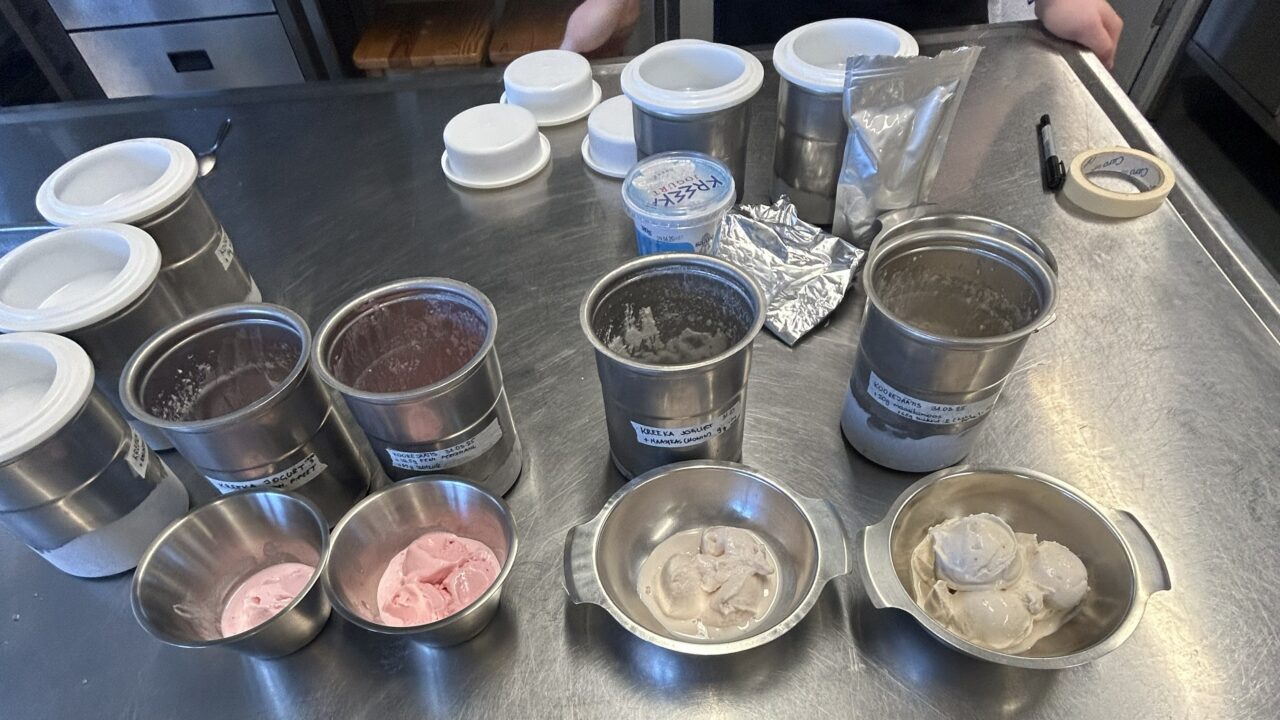
Master’s students in food technology produced several trial batches of TalTech ice cream during their experiments. Photo: TalTech

Master’s students in food technology produced several trial batches of TalTech ice cream during their experiments. Photo: TalTech

Is Vanilla Ninja’s crown under threat?

Balbiino has now sold almost 400,000 TalTech ice creams – more than nine times the number initially expected for the entire summer.

According to Siimberg, the story of TalTech’s ice cream showed just how valuable cooperation with a university can be. Although Balbiino launches around ten new ice creams every year, the students’ and researchers’ ideas helped it look at product development afresh. “When you step outside fixed boundaries and try new ideas, the best solutions reach customers.”

Vene believes the collaboration gave the students invaluable experience. They had the opportunity to go through the entire product development process and learn about the possibilities and limitations of industrial production. The project also helped raise awareness of TalTech’s food technology programme. In turn, it gave Balbiino the confidence to develop new products with the university’s support in the future.

Time will tell whether TalTech’s ice cream will ever dethrone Vanilla Ninja. One thing is certain: cooperation between the university and the company has produced a nationwide bestseller.

“It seemed completely unbelievable that different petrol station chains started calling us to ask whether they could get a quotation.”

This presentation took place at the Health Innovation Summit organised by the Health and Food Technologies Focus Centre of Excellence and Adapter in Tallinn on 6 November 2026, bringing together research, business and practical health technology solutions.