
The knowledge accumulated within a construction company is often scattered across people’s memories, emails and project folders. Kristin Kivimäe, Innovation and Technology Manager at Mapri Ehitus, believes artificial intelligence could help bring this knowledge together and make it accessible, so that lessons from earlier projects can inform decisions on the next ones.
Opinion
Over a quarter of a century, the Estonian Centre for Engineering Pedagogy has helped establish an understanding that engineering education is, at its heart, much more than passing on knowledge. The question is no longer how many formulae or technologies learners know. What matters is how they think, which problems they can solve and what impact their work has on society.

Estonia has a shortage of engineers, and the problem will become even more acute in the coming years. Universities can train more engineers, but increasing admissions alone is not enough. To turn today’s students into capable engineers in the labour market, universities and businesses need to work more closely as one team.
Greenwashing has been reined in. On 27 September 2026, new EU consumer protection requirements on environmental claims came into force, primarily to reduce greenwashing and protect consumers from misleading environmental claims.
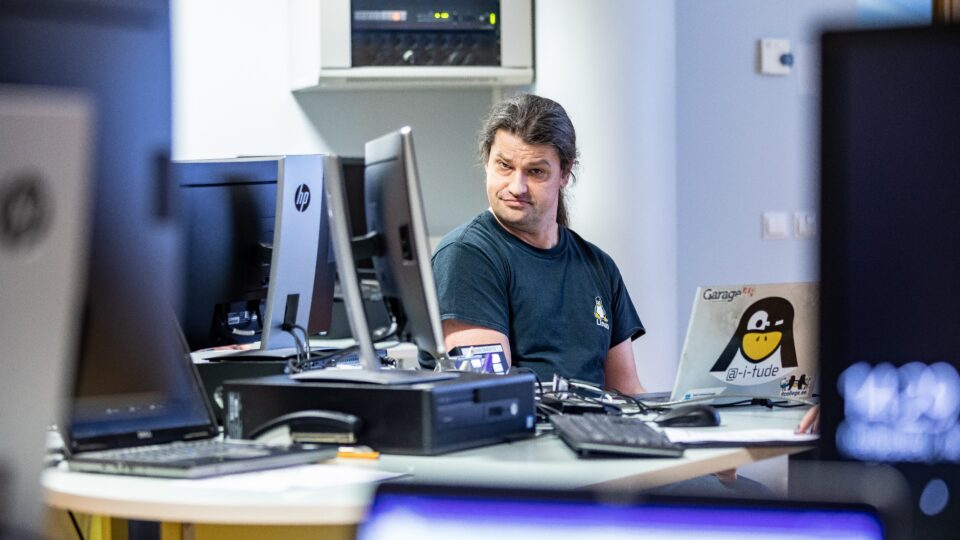
AI agents deployed without sufficient thought can create serious cybersecurity risks and make accountability even more complicated.
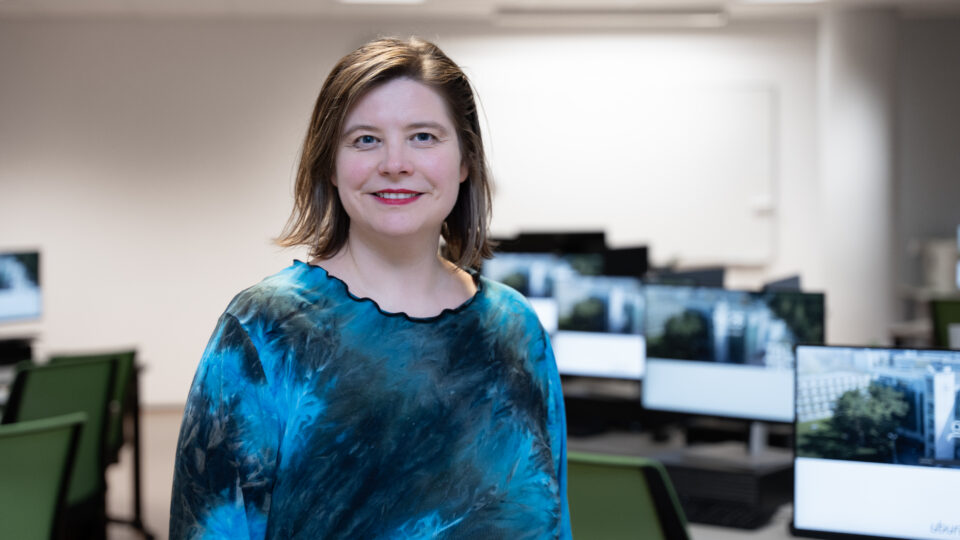
An AI agent can be a company’s most diligent employee. The trouble starts when it is given more permissions than judgement.
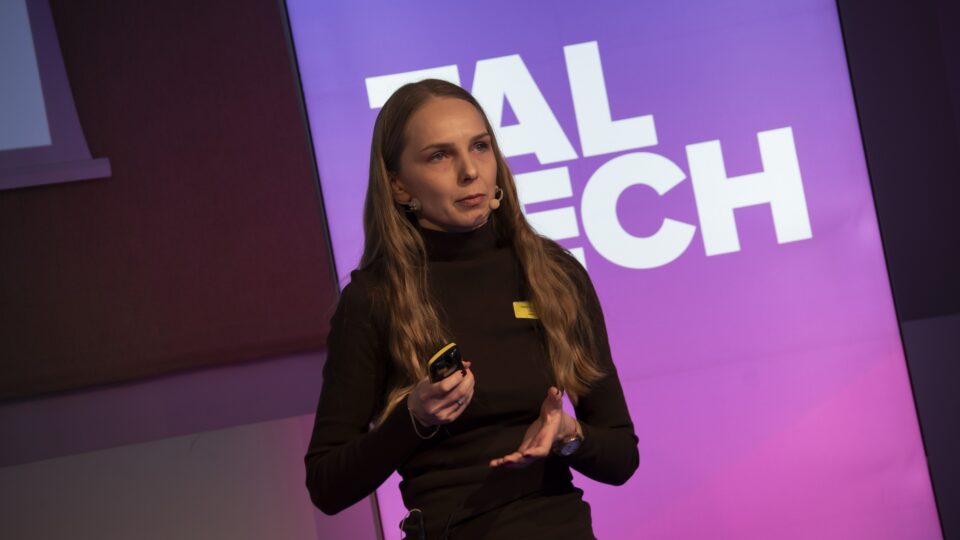
Mathematics is more than formulas and calculations. It trains us to solve problems, try different approaches and persevere when we meet an obstacle. We need these skills every day — at school, at work and in life, writes Cathy-Liis Põlluveer, President of the Estonian Association of Engineers.
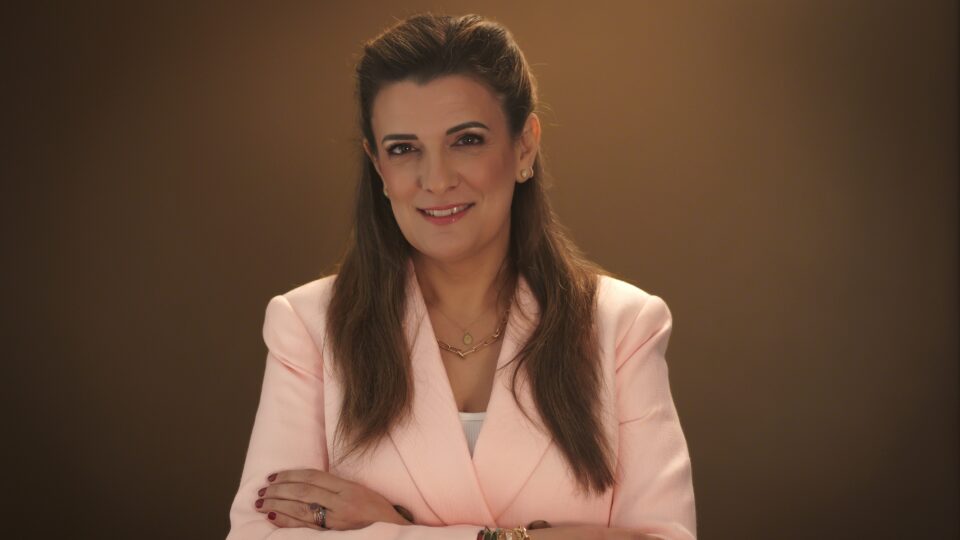
The maritime sector needs new employees and leaders, and attracting more women is increasingly discussed. Elpi Petraki, President of WISTA International, the global network of women professionals in maritime, shipping, trade and logistics, believes real change is measured by the roles women attain and their opportunities to influence their organisations. If women remain mainly in support roles, much of their potential goes unused.
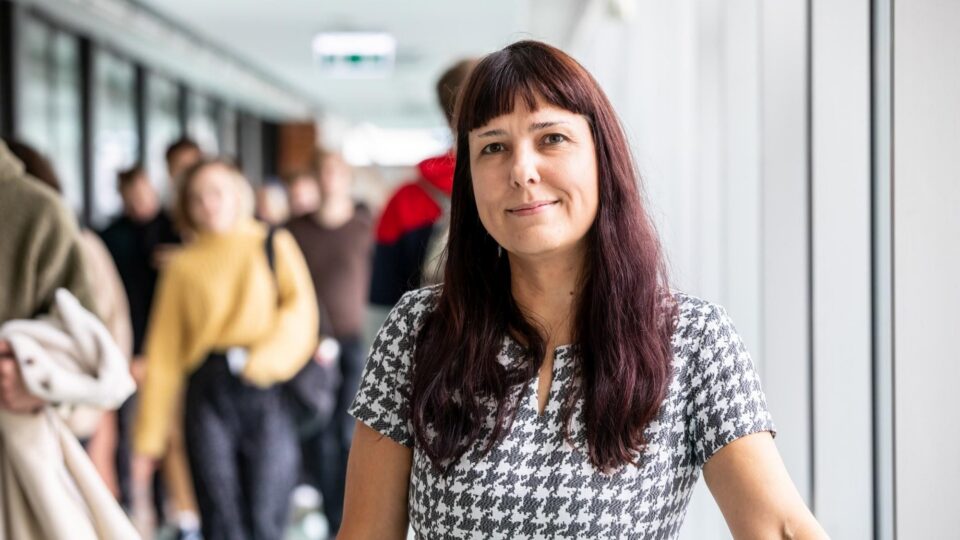
Inseneride tähtsus ja ühiskondlik roll tõuseb avalikkuses esile vaid aeg-ajalt – siis, kui räägitakse tööturu seisukorrast või tudengite vastuvõtust. Ent inseneeria on piisavalt oluline teema, et püsida pidevalt ühiskondlike arutelude fookuses. Kas noored üldse teavad, kes on insener ja miks ta on tähtis?*
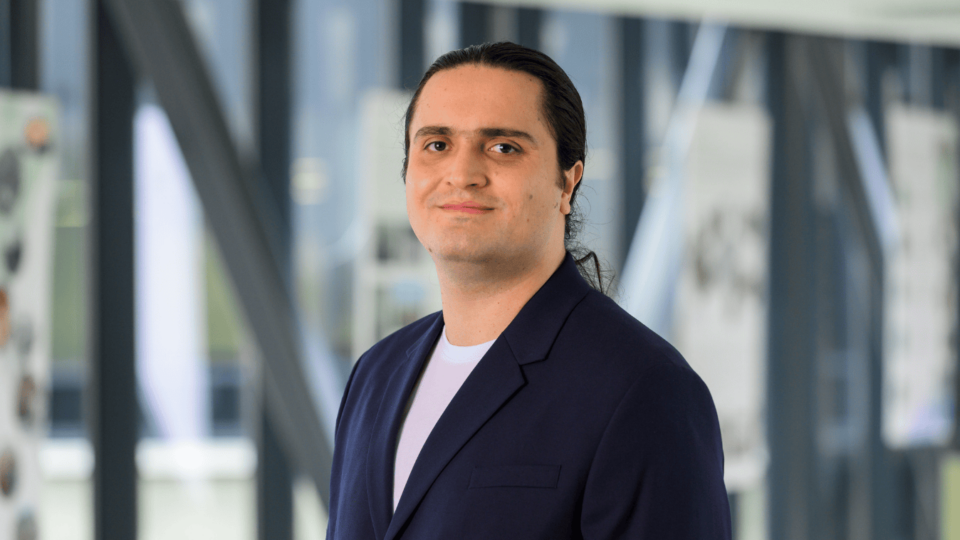
Turkey’s exclusion from the European Union’s SAFE (Security Action for Europe) defence funding programme – due to the absence of a formal security agreement with Brussels – has prompted its leading defence companies to adopt a pragmatic “local bridge” strategy.