
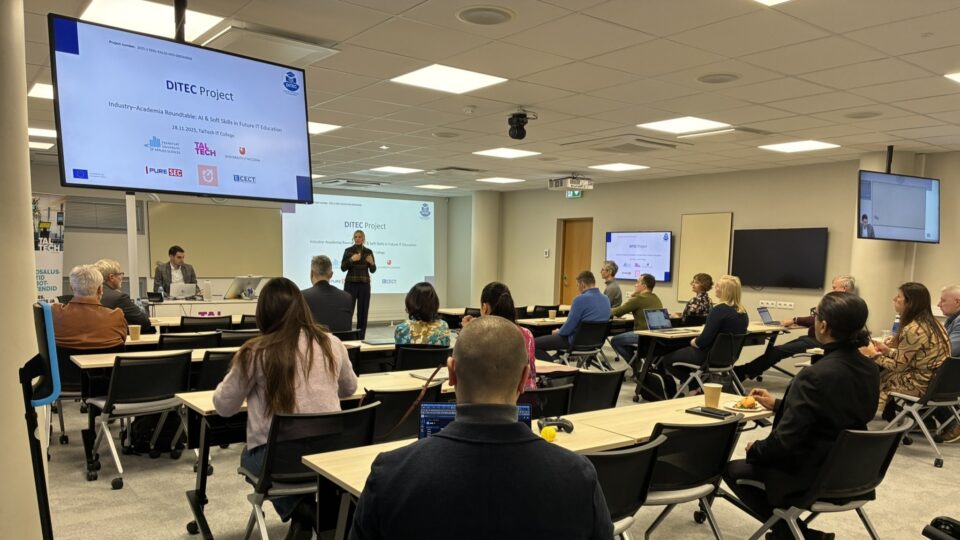
Artificial intelligence is transforming how IT work is done, but according to Slavko Rakić, Research Professor at TalTech IT College, the most difficult challenges companies face today are often not technical at all. While universities focus heavily on tools and technologies, everyday work increasingly depends on communication, responsibility and ethical judgement.
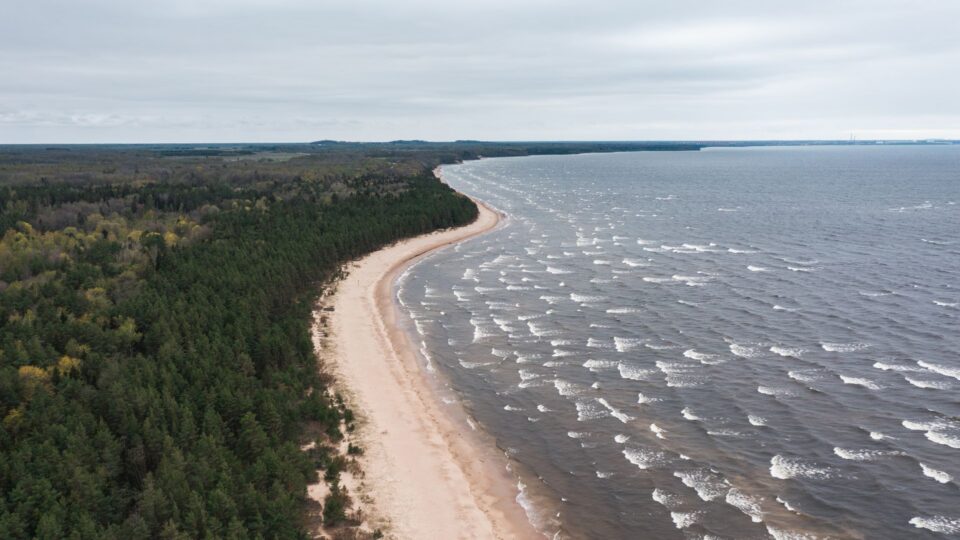
Microplastics are among the most insidious pollutants in the world’s seas, travelling invisibly across ecosystems and leaving long-lasting impacts. In his doctoral thesis defended at TalTech, researcher Arun Mishra has drawn a detailed map of how these particles move, concentrate, and persist in the eastern Baltic Sea.

TalTech’s direct current innovation workshop brought together the public sector, researchers, and entrepreneurs, all emphasizing one key point: the development of direct current (DC) is no longer confined to drawings and models, but is rapidly making its way into real buildings, streets, chargers, and data centres. The technology is already there – what is needed now is decisiveness.

At TalTech’s School of Science conference, early stage researcher Kärol Soodla from the Department of Cybernetics explained something most of us never think about: why some muscles get tired quickly, while others can hold us upright all day long.
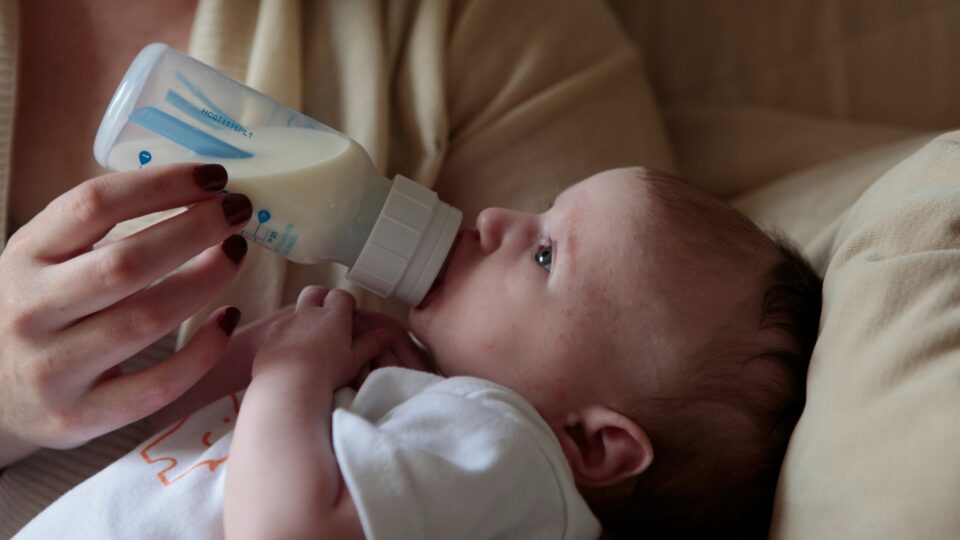
Synthesising the complex sugars found in human breast milk is not just a chemical challenge – it is a key to a healthier future for infants.
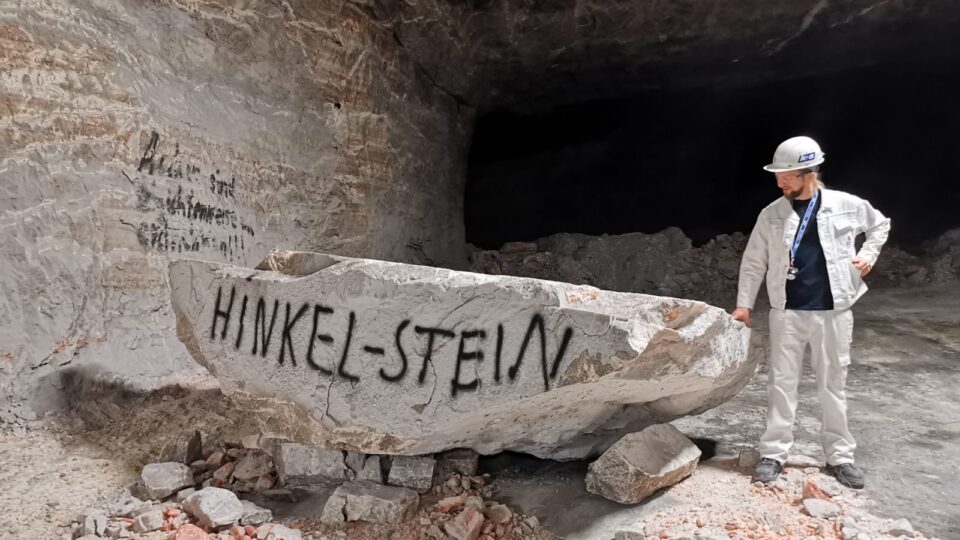
At TalTech’s School of Science conference, postdoctoral researcher Bruno Grafe showed how real-time monitoring can help prevent environmental accidents and make mining cleaner and smarter.

Estonian peat has been historically used as fuel, last decades valorized as a gardening substrate, but new research shows it has the potential to play a key part in UV-blocking coating, protective cosmetics, smart packaging or next-generation bioplastics. By reimagining this familiar material, researchers are revealing possibilities that could reshape how Estonia uses one of its abundant natural resources.
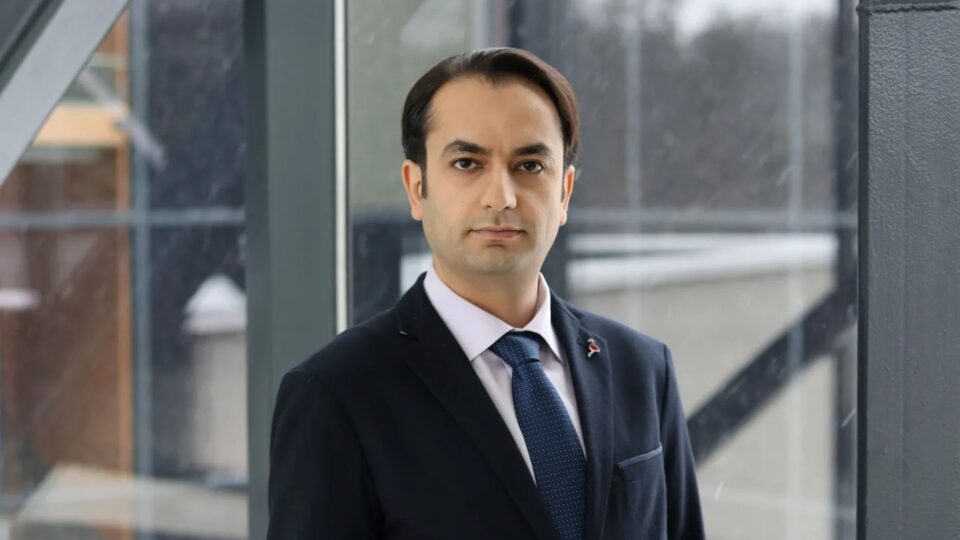
Russia and China’s new gas project, Power of Siberia-2, could reshape global energy policy, strengthen Beijing’s hand and leave Europe’s gas market more exposed than before.
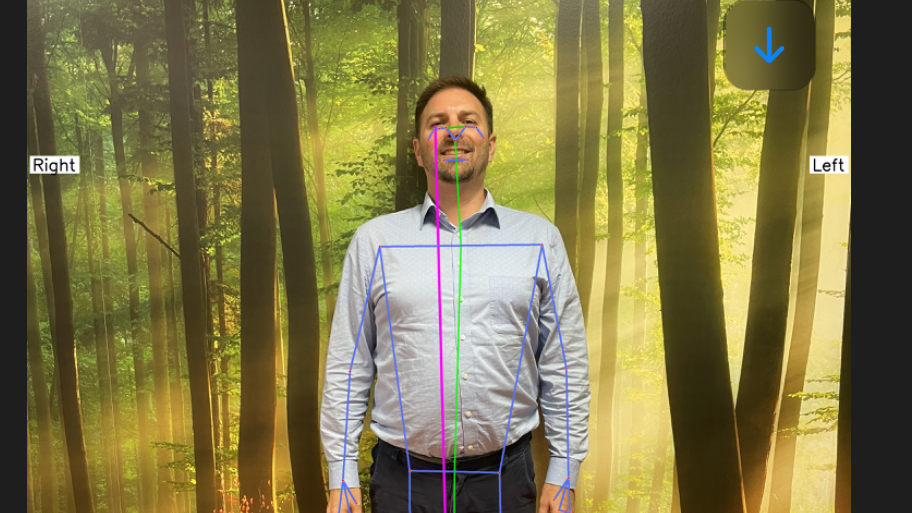
A new AI-powered posture analysis tool developed at TalTech’s Health and Space Technology Lab, in collaboration with RightStep, allows anyone to assess their body alignment using a single photo. The system was designed to be fast, private, and easy to use – and its origins stretch from space research to sports rehabilitation.
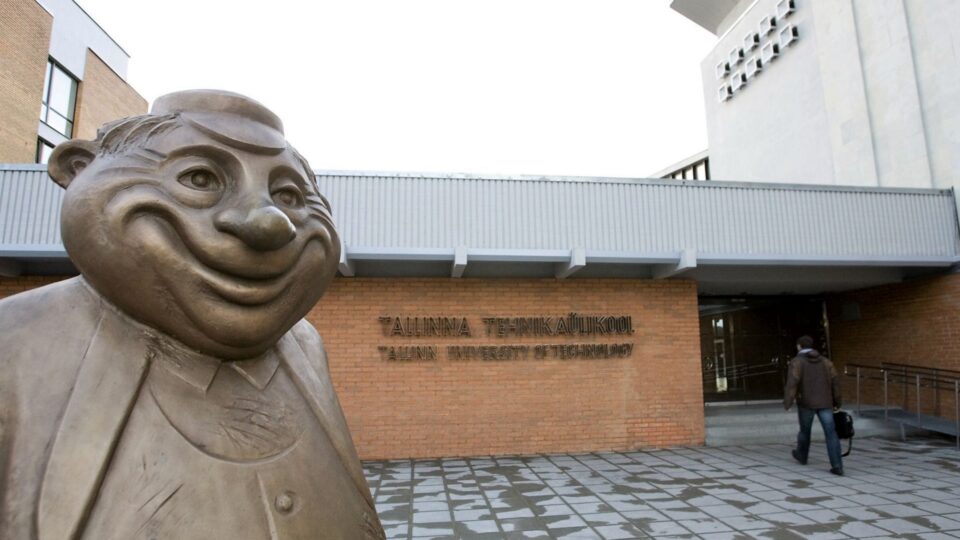
How can TalTech be shaped over the next decade into a driving force that cultivates engineers, generates technologies, and connects science with entrepreneurship? This question was tackled during the TalTech development strategy discussion “TalTech 2035 – Estonia’s Growth Platform of the Future?” by Vice-Rector for Entrepreneurship Erik Puura, Tehnopol CEO Agnes Roos, Head of the Innovation and Technology Department at the Ministry of Economic Affairs and Communications Sigrid Rajalo, and TalTech Council member and CFO of the tech company Helmes, Madis Margus.