
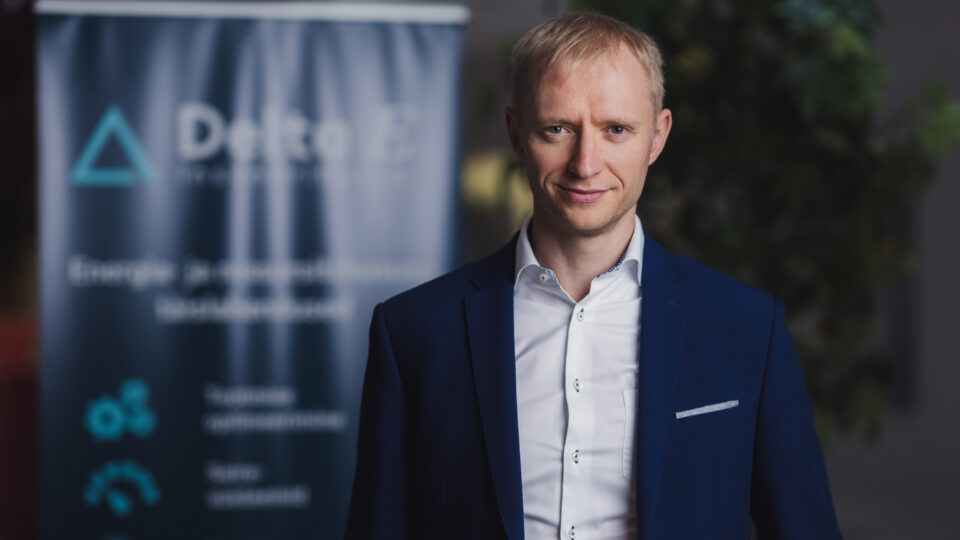
TalTech alumnus and DeltaE Inseneribüroo owner Marti Arak has turned energy efficiency into a successful business. He says that technical solutions alone are not enough to achieve energy savings: skilled engineers, practical experience and the ability to see the bigger picture are also essential.

Greenwashing has been reined in. On 27 September 2026, new EU consumer protection requirements on environmental claims came into force, primarily to reduce greenwashing and protect consumers from misleading environmental claims.
AI agents deployed without sufficient thought can create serious cybersecurity risks and make accountability even more complicated.
An AI agent can be a company’s most diligent employee. The trouble starts when it is given more permissions than judgement.
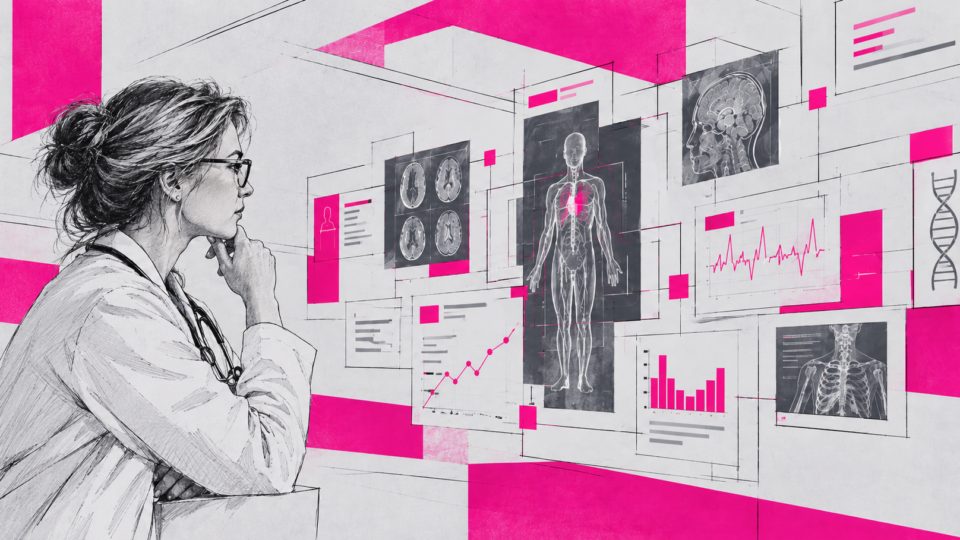
Estonia’s e-health system is an international model, but its next leap forward requires higher-quality health data, greater involvement of doctors and evidence of the real benefits of digital solutions, say three European health informatics experts.
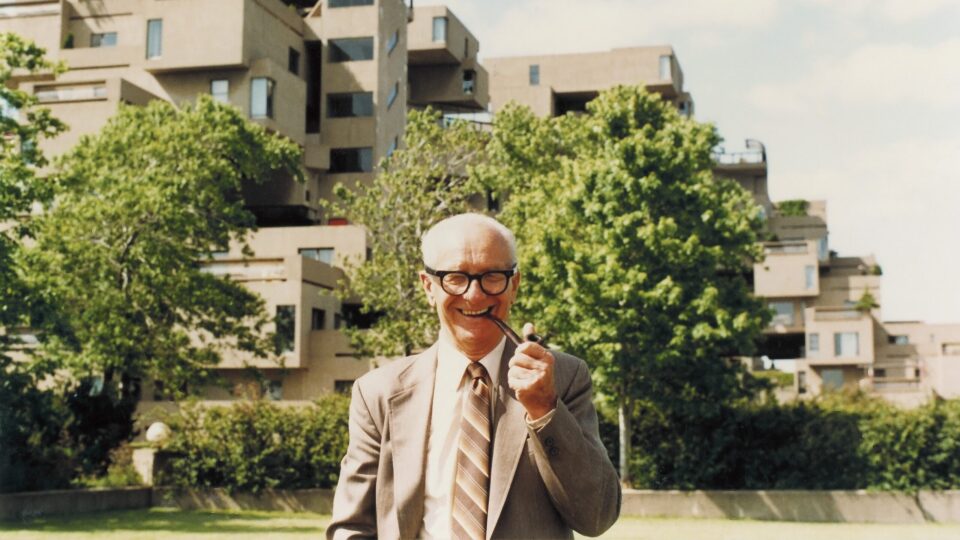
August Komendant, from the Estonian village of Nurmsi, became one of the twentieth century’s most influential structural engineers and architect Louis Kahn’s closest collaborator. His work extended from the grandstand at Kadriorg Stadium to Philadelphia and Fort Worth, where he helped create some of Kahn’s best-known buildings.
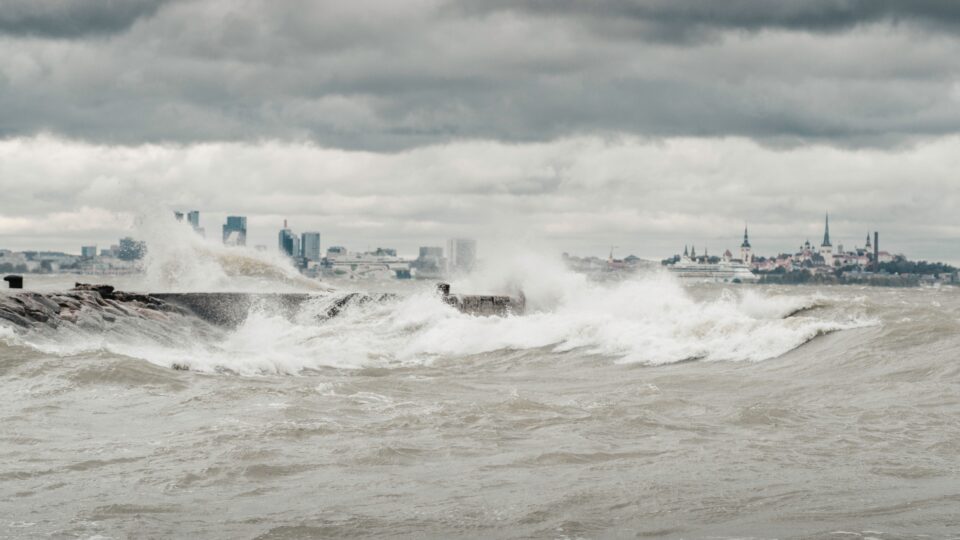
When a severe storm drives up coastal water levels, every hour counts: the earlier the danger is detected, the more time ports and shipping operators have to prepare or respond. As part of Europe’s Destination Earth initiative, TalTech’s Department of Marine Systems was tasked with developing a solution to identify such rises early, assess their possible extent and, where necessary, produce a much more detailed forecast for the area.
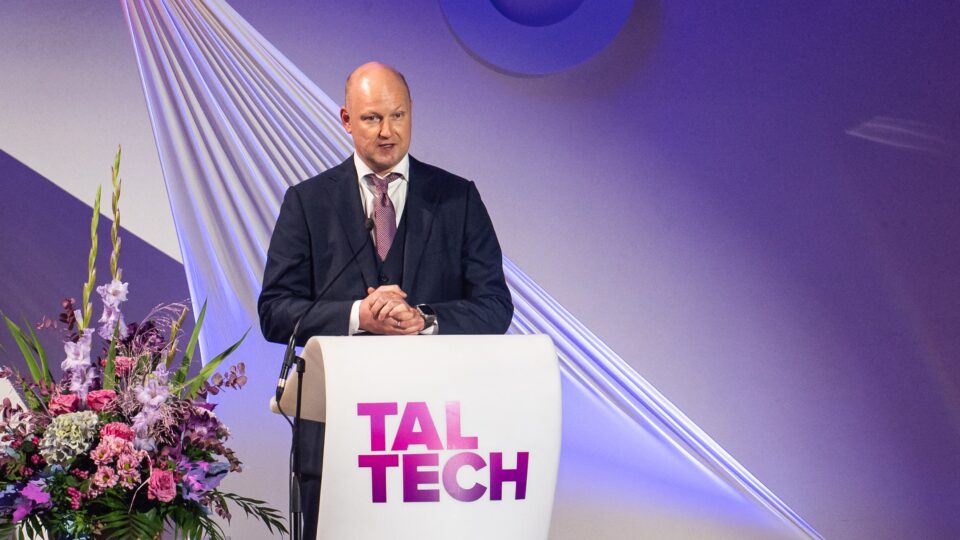
Cheaper, more reliable heating will increasingly depend on how intelligently we combine different energy sources. TalTech thermal energy specialist Igor Krupenski sees considerable untapped potential in waste heat from industry, data centres and wastewater in Estonia, alongside continued roles for wood chips, heat pumps and storage. Well-managed district heating could soften price fluctuations and help balance the energy system.
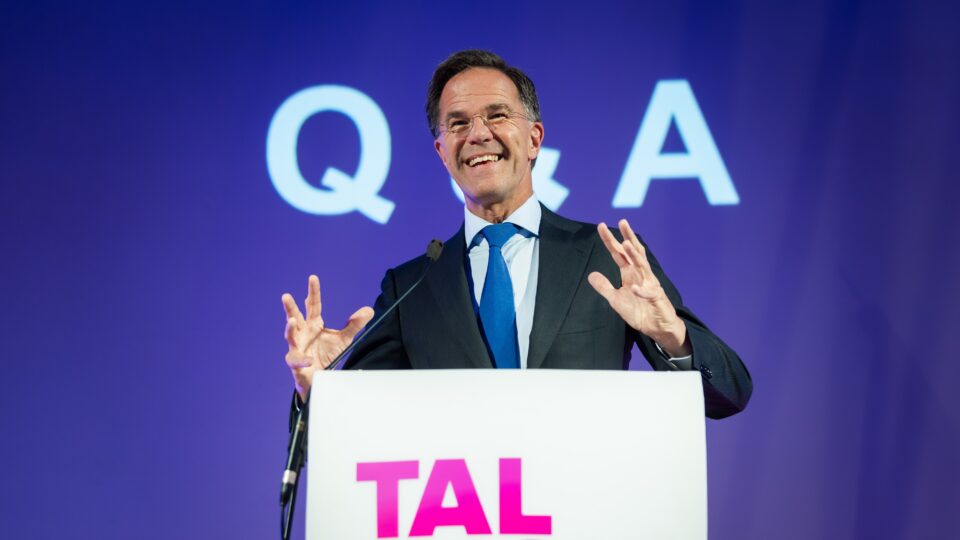
In a public lecture to students and researchers at TalTech, NATO Secretary General Mark Rutte said that Estonia sets an example for the entire Alliance through its defence investment, support for Ukraine, technological innovation and whole-of-society crisis preparedness. He identified the development of drone and counter-drone technology, as well as more effective air defence, as some of the most urgent tasks for future engineers and researchers.
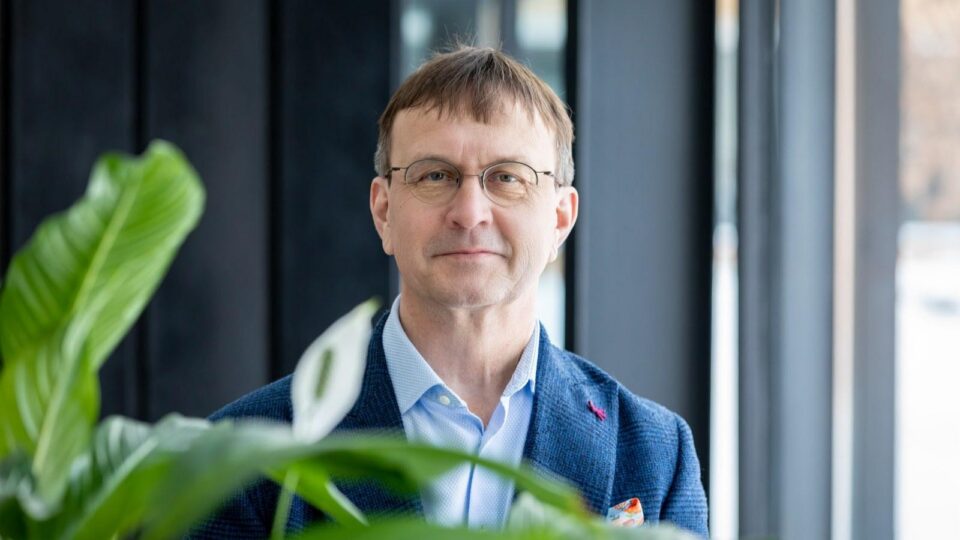
Just as we scan our own shopping and book flights and hotels ourselves, healthcare is increasingly moving towards self-service. TalTech Professor Peeter Ross believes people could collect and manage more of their own health data and receive advice before illness develops. Estonia is already taking its first steps in that direction.