
Saban Ibrahim Göksal: how Turkish defence companies are bypassing SAFE exclusion

02.06.2026
Saban Ibrahim Göksal: how Turkish defence companies are bypassing SAFE exclusion. 02.06.2026. By establishing joint ventures, acquiring facilities or investing directly in European production sites, Turkish firms are creating a European “face” for their technologies. This gives them indirect access to EU markets, supply chains and related funding streams, while delivering tangible benefits to host countries and the wider EU in the form of jobs, industrial capacity and greater security resilience. Three high-profile initiatives illustrate this emerging playbook. Baykar and Leonardo: LBA Systems, Italy, June 2025 Baykar and Italy’s Leonardo have formed a 50-50 joint venture headquartered in Italy. LBA Systems focuses on the design, development, production and support of unmanned aerial systems, integrating Baykar’s proven platforms – including the TB2 family, Akıncı and Kızılelma – with Leonardo’s sensors, payloads, certification expertise and integrated mission systems. Objectives for Italy The partnership is expected to revitalise Italy’s aerospace sector through the acquisition and expansion of Piaggio Aerospace facilities in Villanova d’Albenga, Genoa and other sites. It secures and expands high-skilled local employment, transfers advanced UAV manufacturing know-how and localises production, maintenance and supply chains. Italian officials have described the initiative as a major step towards strengthening national operational and technological capabilities, while embedding cutting-edge innovation within Italy’s industrial base. Contribution to European security LBA Systems helps close Europe’s capability gap in tactical and strategic drones relative to the United States and China. It promises certifiable platforms built to NATO and EU standards, strengthening multi-domain operations, AI-enabled capabilities and supply-chain resilience – all critical amid heightened regional threats. Dual-use innovation The collaboration also enhances flexibility for dual-use applications. Beyond military roles, the systems can support training, logistics, civil protection, disaster response and surveillance missions, demonstrating how military-grade unmanned aerial systems can deliver civilian value while meeting strict European certification standards. LBA Systems helps close Europe’s capability gap in tactical and strategic drones relative to the United States and China. ARCA Savunma and ARCA Baltic, Estonia, April 2026 ARCA Savunma won a strategic tender in Estonia’s Põhja-Kiviõli defence industrial park. The company is investing approximately €300 million to establish ARCA Baltic, a major artillery ammunition production facility. Production is scheduled to begin in 2028, with the potential to create up to 1,000 new jobs. Objectives for Estonia As a frontline NATO member on the alliance’s eastern flank, Estonia is seeking to build a domestic defence industrial base, retain more defence spending within the country and reduce its heavy reliance on distant imports. The ARCA project represents one of the largest foreign direct investments in Estonia’s emerging defence sector. It will create high-skilled jobs in Ida-Viru County, a former industrial region undergoing economic renewal, while boosting local tax revenues and supporting long-term industrial growth. By establishing sovereign munitions production on Estonian soil, the initiative strengthens national supply security and positions Estonia as a net contributor to allied defence capabilities, rather than solely a consumer of them. Contribution to European security The factory will significantly bolster NATO’s eastern flank by providing a reliable, regionally located source of 155mm and other artillery munitions. In an era of sustained high-intensity conflict, as demonstrated by the war in Ukraine, local production depth enhances readiness, deterrence, rapid resupply and overall alliance resilience. It also directly supports the Baltic states and broader European collective defence, reducing dependence on transatlantic or far-eastern logistics. By establishing sovereign munitions production on Estonian soil, the initiative strengthens national supply security and positions Estonia as a net contributor to allied defence capabilities, rather than solely a consumer of them. TUSAŞ and BAE Systems: uncrewed air systems collaboration, United Kingdom, November 2025 Turkish Aerospace, also known as TUSAŞ, signed a memorandum of understanding with the UK defence company BAE Systems to explore joint opportunities in uncrewed aerial systems, including fixed-wing, rotary-wing and hybrid configurations. Objectives for the UK The memorandum of understanding brings together complementary strengths: TUSAŞ’s platform expertise and BAE Systems’ combat-air systems know-how. The aim is to accelerate innovation, create cost-effective solutions and open new market opportunities. The agreement builds on existing bilateral defence ties, including the Eurofighter programme, and positions the UK as a hub for next-generation uncrewed aerial systems development. Contribution to European security The partnership strengthens NATO interoperability and collective capability in uncrewed systems. By combining British and Turkish expertise, it supports the development of advanced systems for surveillance, strike and multi-domain operations, enhancing Europe’s overall deterrence and operational edge. Dual-use innovation Uncrewed systems are inherently dual-use. The collaboration targets technologies that can serve both defence and civilian needs, including border security, maritime patrol, environmental monitoring and emergency response. It also supports innovation in autonomy, artificial intelligence and sensor fusion, with potential benefits for both military and commercial applications. By combining British and Turkish expertise, it supports the development of advanced systems for surveillance, strike and multi-domain operations, enhancing Europe’s overall deterrence and operational edge. The common thread and strategic impact Although the products differ – from advanced unmanned aerial systems and drones to precision artillery munitions – the underlying strategic logic is the same. Faced with Turkey’s exclusion from the EU’s SAFE defence funding programme, Turkish companies are proactively creating localised European entities through joint ventures and direct investments. These “European faces” deliver immediate and long-term value to host countries: high-quality jobs, technology transfer, expanded production capacity and stronger supply-chain security on European soil. In return, Europe gains more resilient and diversified industrial bases, significantly stronger defence capabilities along its vulnerable eastern and southern flanks and faster innovation that supports both collective security and long-term economic competitiveness. By embedding Turkish expertise within established European industrial ecosystems, these partnerships reduce strategic dependencies and build genuine interoperability. This “local bridge” model has quickly emerged as the standard route for Turkish defence expansion across Europe. It represents a pragmatic, mutually beneficial approach that not only works around political barriers, but also fosters deeper transatlantic and intra-European defence industrial cooperation – a trend likely to shape NATO and EU strategies for years to come. By embedding Turkish expertise within established European industrial ecosystems, these partnerships reduce strategic dependencies and build genuine interoperability.
Saban Ibrahim Göksal. Photo: TalTech

Saban Ibrahim Göksal. Photo: TalTech

This is an opinion article
The thoughts expressed in the article are those of the author of the article and may not coincide with the views of Trialoog.

Turkey’s exclusion from the European Union’s SAFE (Security Action for Europe) defence funding programme – due to the absence of a formal security agreement with Brussels – has prompted its leading defence companies to adopt a pragmatic “local bridge” strategy.

By establishing joint ventures, acquiring facilities or investing directly in European production sites, Turkish firms are creating a European “face” for their technologies. This gives them indirect access to EU markets, supply chains and related funding streams, while delivering tangible benefits to host countries and the wider EU in the form of jobs, industrial capacity and greater security resilience.

Three high-profile initiatives illustrate this emerging playbook.

  • Baykar and Leonardo: LBA Systems, Italy, June 2025

Baykar and Italy’s Leonardo have formed a 50-50 joint venture headquartered in Italy. LBA Systems focuses on the design, development, production and support of unmanned aerial systems, integrating Baykar’s proven platforms – including the TB2 family, Akıncı and Kızılelma – with Leonardo’s sensors, payloads, certification expertise and integrated mission systems.

Objectives for Italy

The partnership is expected to revitalise Italy’s aerospace sector through the acquisition and expansion of Piaggio Aerospace facilities in Villanova d’Albenga, Genoa and other sites. It secures and expands high-skilled local employment, transfers advanced UAV manufacturing know-how and localises production, maintenance and supply chains.

Italian officials have described the initiative as a major step towards strengthening national operational and technological capabilities, while embedding cutting-edge innovation within Italy’s industrial base.

Contribution to European security

LBA Systems helps close Europe’s capability gap in tactical and strategic drones relative to the United States and China. It promises certifiable platforms built to NATO and EU standards, strengthening multi-domain operations, AI-enabled capabilities and supply-chain resilience – all critical amid heightened regional threats.

Dual-use innovation

The collaboration also enhances flexibility for dual-use applications. Beyond military roles, the systems can support training, logistics, civil protection, disaster response and surveillance missions, demonstrating how military-grade unmanned aerial systems can deliver civilian value while meeting strict European certification standards.

LBA Systems helps close Europe’s capability gap in tactical and strategic drones relative to the United States and China.
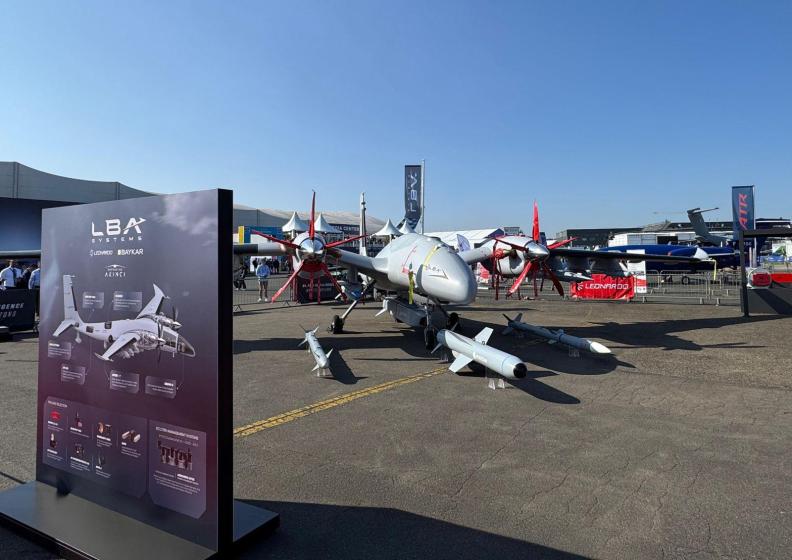
An LBA Systems uncrewed aerial system on display at the Paris Air Show. Photo by Baykar

An LBA Systems uncrewed aerial system on display at the Paris Air Show. Photo by Baykar

  • ARCA Savunma and ARCA Baltic, Estonia, April 2026

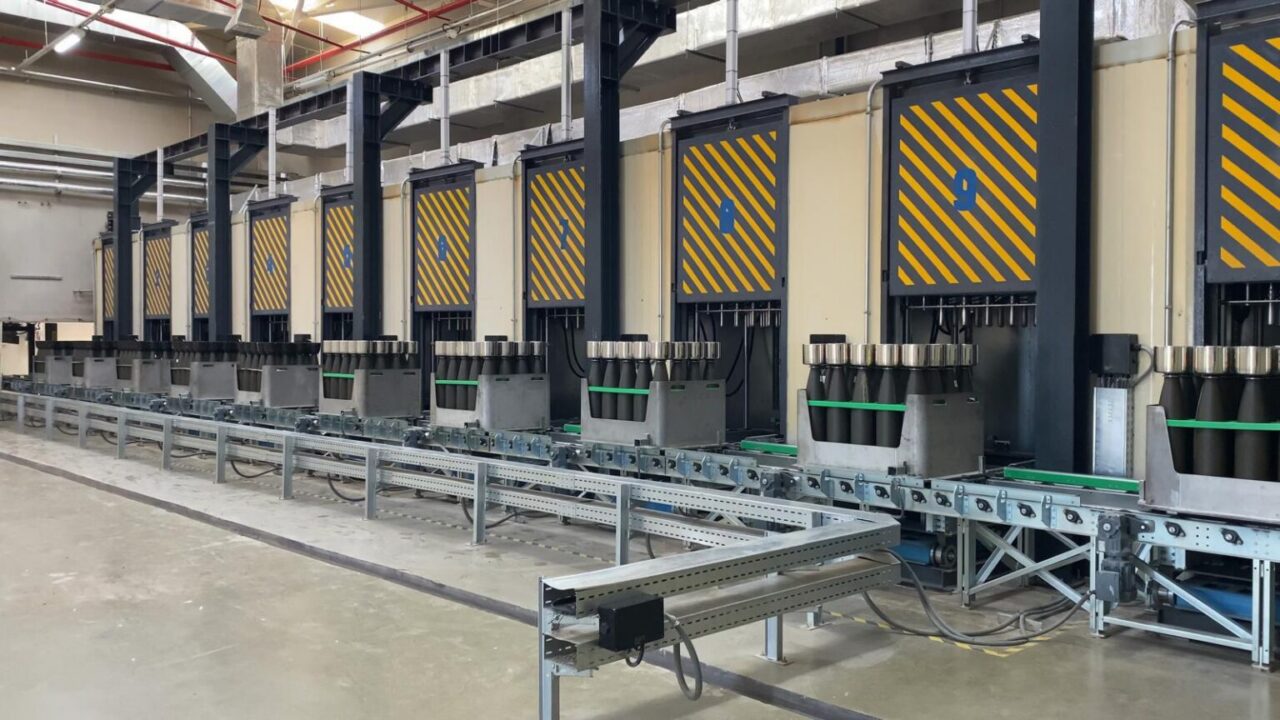
ARCA Savunma won a strategic tender in Estonia’s Põhja-Kiviõli defence industrial park. The company is investing approximately €300 million to establish ARCA Baltic, a major artillery ammunition production facility. Production is scheduled to begin in 2028, with the potential to create up to 1,000 new jobs.

Objectives for Estonia

As a frontline NATO member on the alliance’s eastern flank, Estonia is seeking to build a domestic defence industrial base, retain more defence spending within the country and reduce its heavy reliance on distant imports.

The ARCA project represents one of the largest foreign direct investments in Estonia’s emerging defence sector. It will create high-skilled jobs in Ida-Viru County, a former industrial region undergoing economic renewal, while boosting local tax revenues and supporting long-term industrial growth.

By establishing sovereign munitions production on Estonian soil, the initiative strengthens national supply security and positions Estonia as a net contributor to allied defence capabilities, rather than solely a consumer of them.
Contribution to European security

The factory will significantly bolster NATO’s eastern flank by providing a reliable, regionally located source of 155mm and other artillery munitions. In an era of sustained high-intensity conflict, as demonstrated by the war in Ukraine, local production depth enhances readiness, deterrence, rapid resupply and overall alliance resilience.

It also directly supports the Baltic states and broader European collective defence, reducing dependence on transatlantic or far-eastern logistics.

By establishing sovereign munitions production on Estonian soil, the initiative strengthens national supply security and positions Estonia as a net contributor to allied defence capabilities, rather than solely a consumer of them.

An ARCA Savunma artillery shell production line. Photo by the Estonian Centre for Defence Investments

An ARCA Savunma artillery shell production line. Photo by the Estonian Centre for Defence Investments

  • TUSAŞ and BAE Systems: uncrewed air systems collaboration, United Kingdom, November 2025

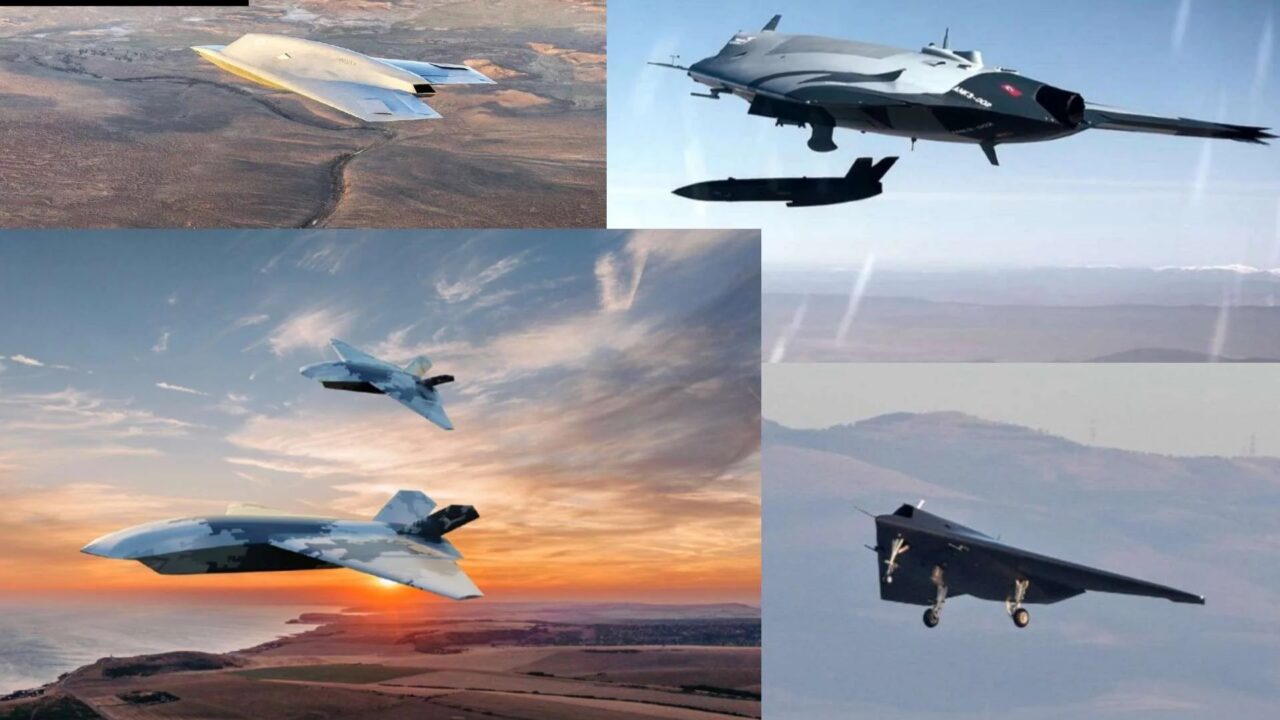
Turkish Aerospace, also known as TUSAŞ, signed a memorandum of understanding with the UK defence company BAE Systems to explore joint opportunities in uncrewed aerial systems, including fixed-wing, rotary-wing and hybrid configurations.

Objectives for the UK

The memorandum of understanding brings together complementary strengths: TUSAŞ’s platform expertise and BAE Systems’ combat-air systems know-how. The aim is to accelerate innovation, create cost-effective solutions and open new market opportunities.

The agreement builds on existing bilateral defence ties, including the Eurofighter programme, and positions the UK as a hub for next-generation uncrewed aerial systems development.

Contribution to European security

The partnership strengthens NATO interoperability and collective capability in uncrewed systems. By combining British and Turkish expertise, it supports the development of advanced systems for surveillance, strike and multi-domain operations, enhancing Europe’s overall deterrence and operational edge.
Dual-use innovation

Uncrewed systems are inherently dual-use. The collaboration targets technologies that can serve both defence and civilian needs, including border security, maritime patrol, environmental monitoring and emergency response.

It also supports innovation in autonomy, artificial intelligence and sensor fusion, with potential benefits for both military and commercial applications.

By combining British and Turkish expertise, it supports the development of advanced systems for surveillance, strike and multi-domain operations, enhancing Europe’s overall deterrence and operational edge.

BAE Systems and Turkish Aerospace are joining forces to develop next-generation uncrewed air systems for NATO and allied markets. Photo: BAE Systems / TAI

BAE Systems and Turkish Aerospace are joining forces to develop next-generation uncrewed air systems for NATO and allied markets. Photo: BAE Systems / TAI

The common thread and strategic impact

Although the products differ – from advanced unmanned aerial systems and drones to precision artillery munitions – the underlying strategic logic is the same.

Faced with Turkey’s exclusion from the EU’s SAFE defence funding programme, Turkish companies are proactively creating localised European entities through joint ventures and direct investments. These “European faces” deliver immediate and long-term value to host countries: high-quality jobs, technology transfer, expanded production capacity and stronger supply-chain security on European soil.

In return, Europe gains more resilient and diversified industrial bases, significantly stronger defence capabilities along its vulnerable eastern and southern flanks and faster innovation that supports both collective security and long-term economic competitiveness.

By embedding Turkish expertise within established European industrial ecosystems, these partnerships reduce strategic dependencies and build genuine interoperability.

This “local bridge” model has quickly emerged as the standard route for Turkish defence expansion across Europe. It represents a pragmatic, mutually beneficial approach that not only works around political barriers, but also fosters deeper transatlantic and intra-European defence industrial cooperation – a trend likely to shape NATO and EU strategies for years to come.

By embedding Turkish expertise within established European industrial ecosystems, these partnerships reduce strategic dependencies and build genuine interoperability.