
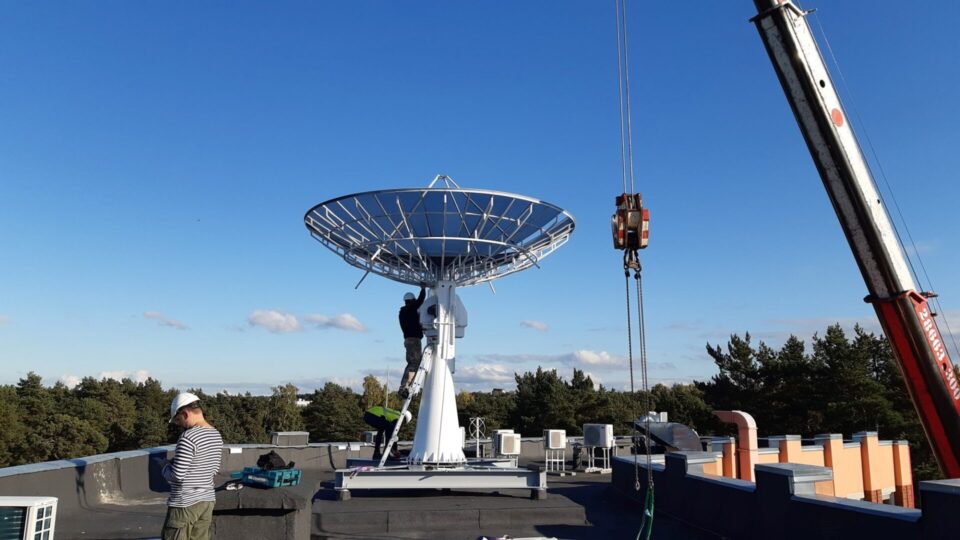
When exploring what exciting work TalTech has done in the space sector, the usual response is always the satellites Koit and Hämarik. However, the work with Koit and Hämarik is by no means the only space-related project at the university.
innovation

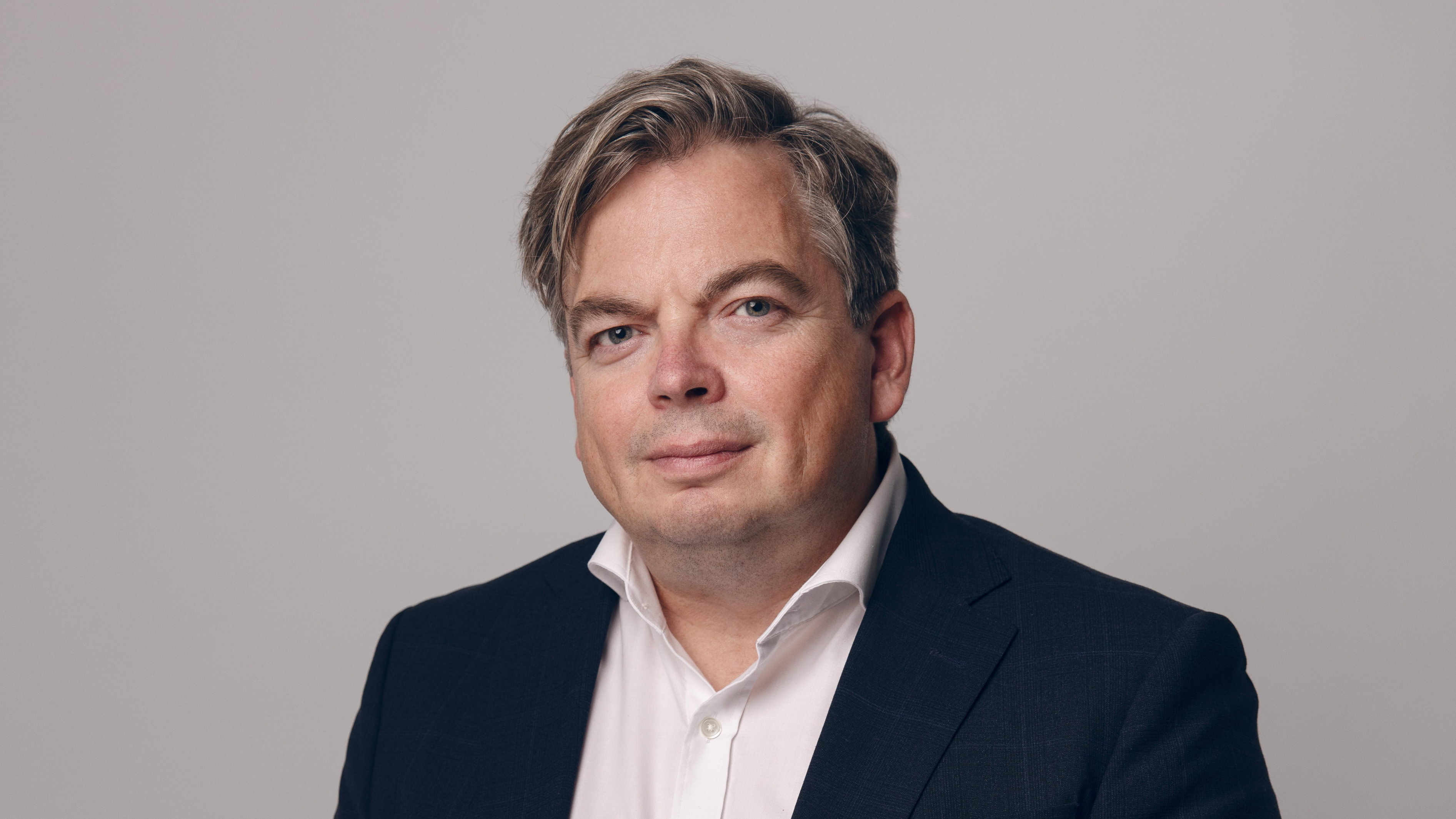
An idea born in the lab can change the world – but only if it makes it out of the lab. Mart Maasik, a TalTech alumnus, partner at Nordic Science Investments and an experienced developer of science-based entrepreneurship, knows just how challenging that journey can be.
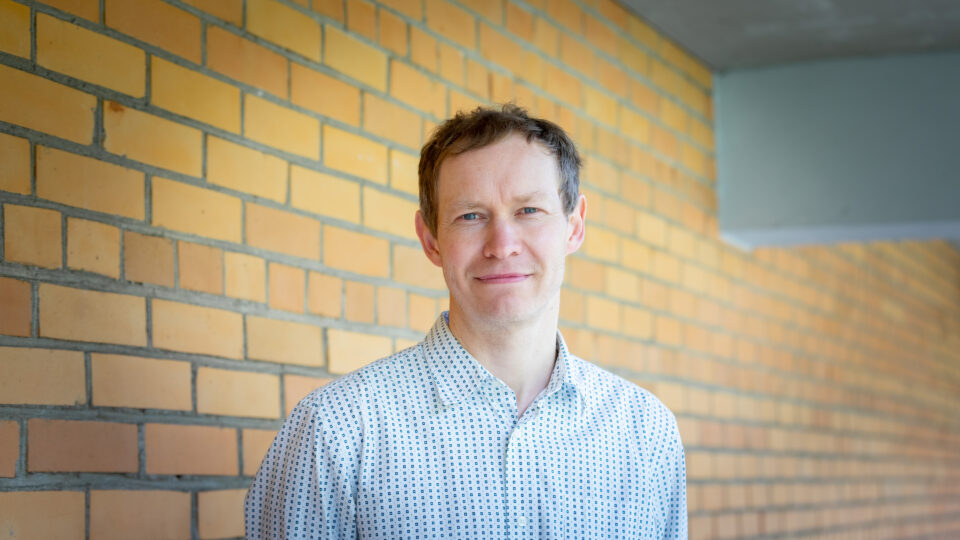
“It was a complete shock,” recalled Tanel Alumäe, head of TalTech's Laboratory of Language Technology, when he first experienced the astonishing ability of large language models to understand and generate language.
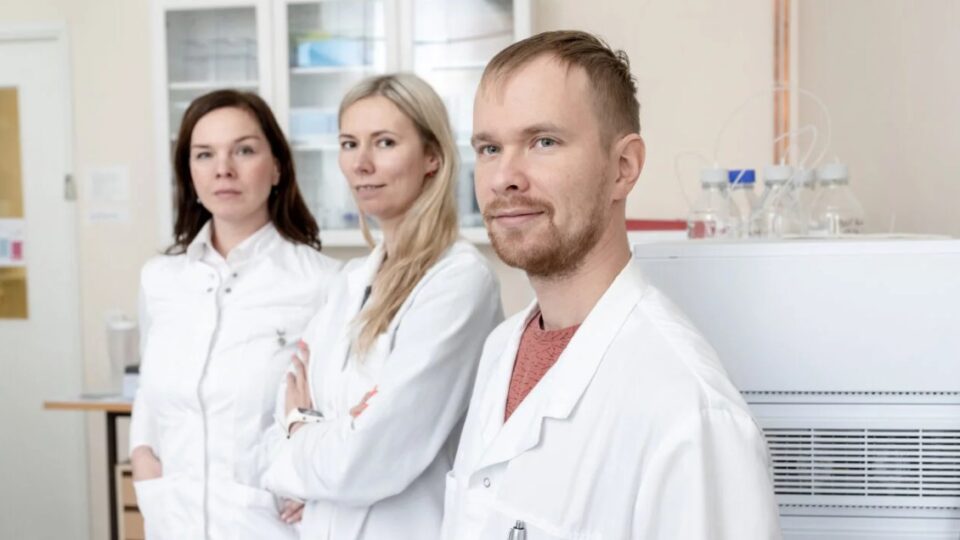
Olesja Bondarenko, co-founder and CEO of the Estonian startup Nanordica Medical and a TalTech alumna, won second place in the European Union Women Innovators Competition in the Women Leaders category, organised by the European Institute of Innovation and Technology (EIT). She was awarded for her special therapeutic wound dressing.
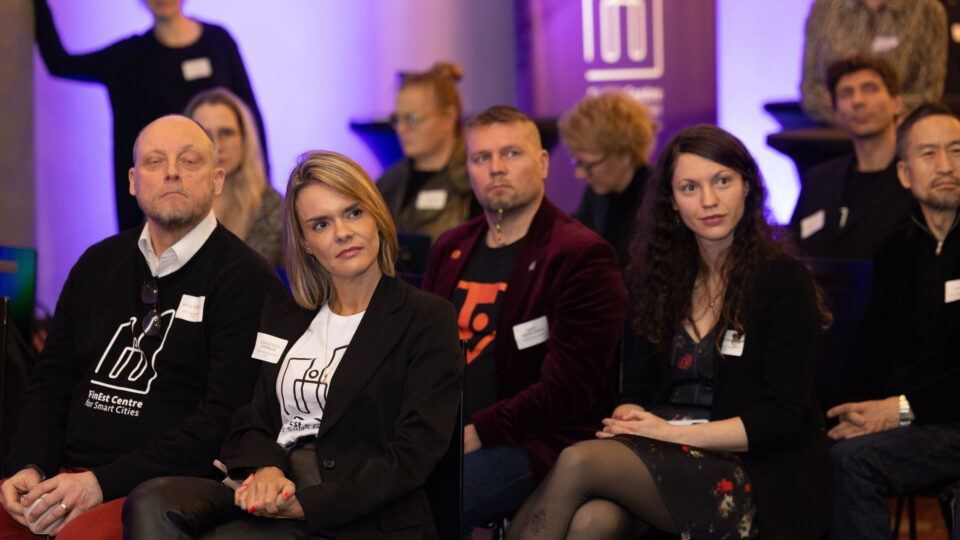
At the Smart City Exchange Forum, hundreds of city visionaries gathered to discuss how data, artificial intelligence, and collaboration could transform cities in Estonia and Europe into human-centered and sustainable environments.
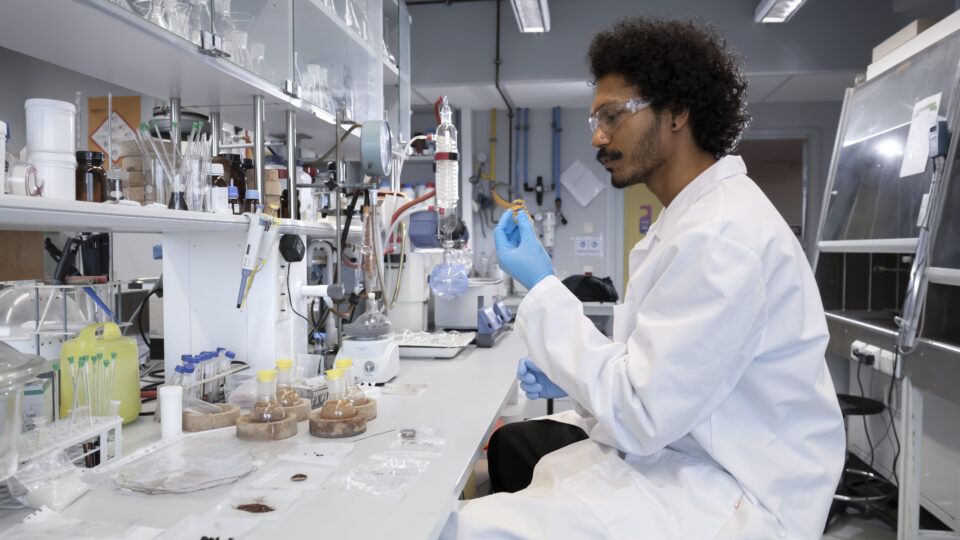
In the global push toward sustainability, one of the most promising yet underutilized natural resources is lignin. Traditionally regarded as a low-value byproduct of the pulp and paper industry, lignin is now at the forefront of innovative research aimed at transforming it into high-value products.
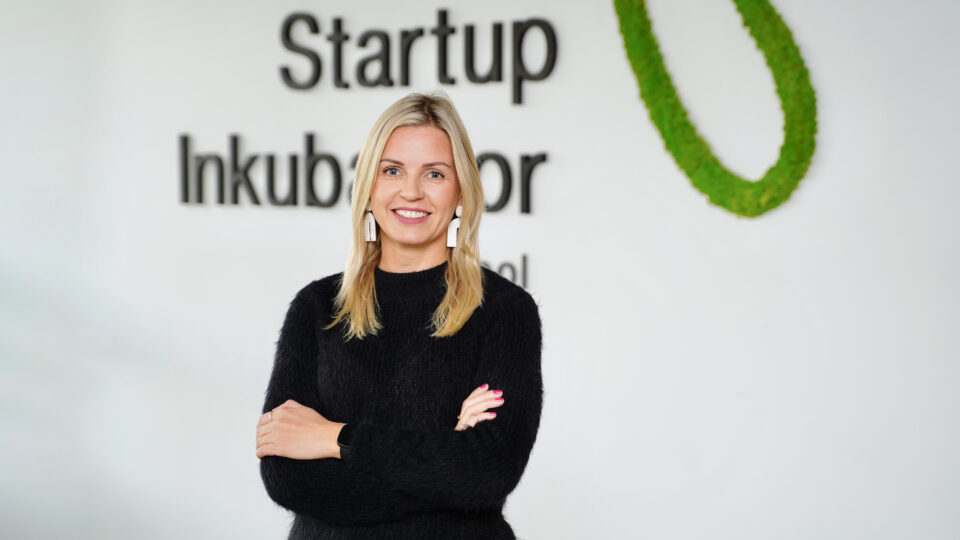
The Estonian startup landscape is constantly evolving, shaped by emerging technological directions and trends. Anne-Liisa Elbrecht, Head of the Tehnopol Startup Incubator, shared her thoughts on the current state of Estonian startups, the challenges they face, and their future prospects.
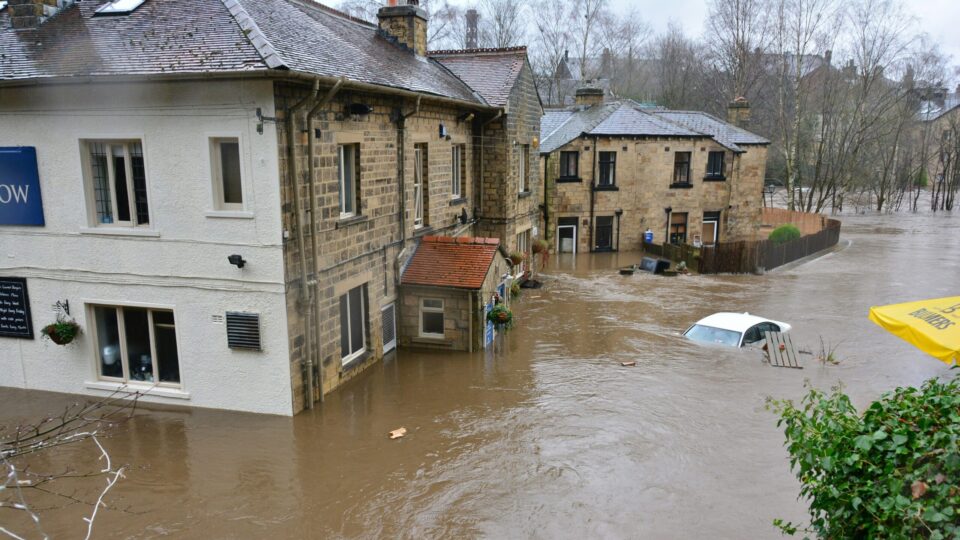
With climate change intensifying natural hazards like floods and snowstorms, cities worldwide must enhance resilience. A research team from TalTech and PUCRS, in collaboration with partner cities and commercial stakeholders, is developing a Natural Hazard Resilience Toolkit to improve crisis management through better communication and data integration.
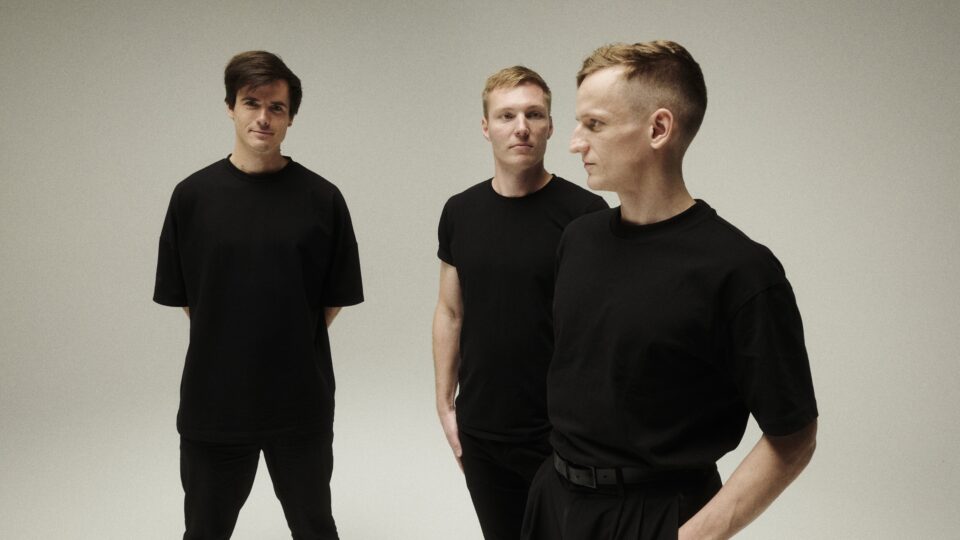
If power lines could better account for actual weather conditions, they would be able to transmit more electricity. TalTech researcher Henri Manninen co-founded the technology company Gridraven, which specifically enhances electricity transmission capacity.

Imagine a city where the invisible world hidden beneath streets and buildings is mapped and integrated with innovative urban planning. TreeCity, one of the finalists of FinEst Centre for Smart Cities's Smart City Challenge 2024, offers exactly this.