
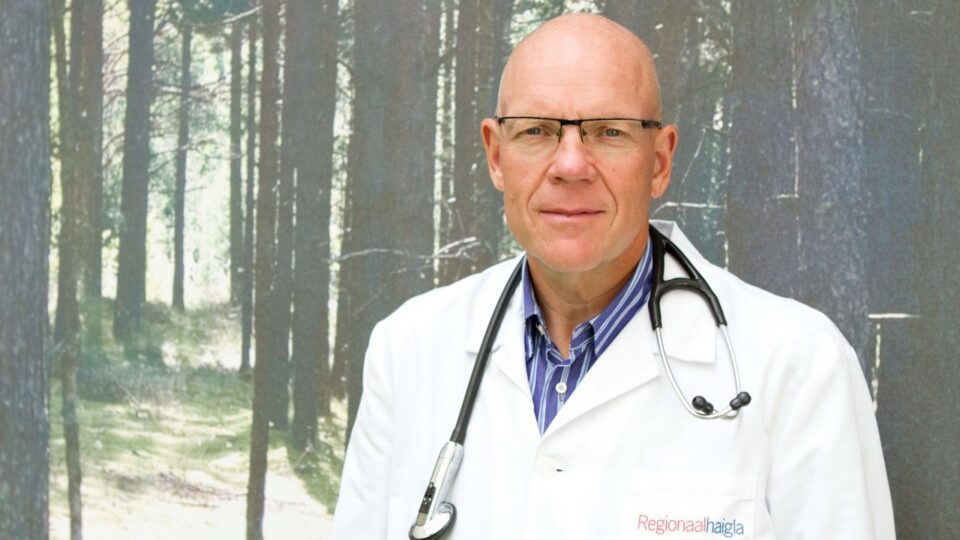
After a heart attack or stroke, patients are prescribed medication and sent home. What happens next depends largely on how well they follow their treatment plan and attend check-ups on time. TalTech researchers are now testing an AI-based digital doctor to monitor patients continuously at home, remind them to take medication and flag when a doctor or nurse is needed.
innovation
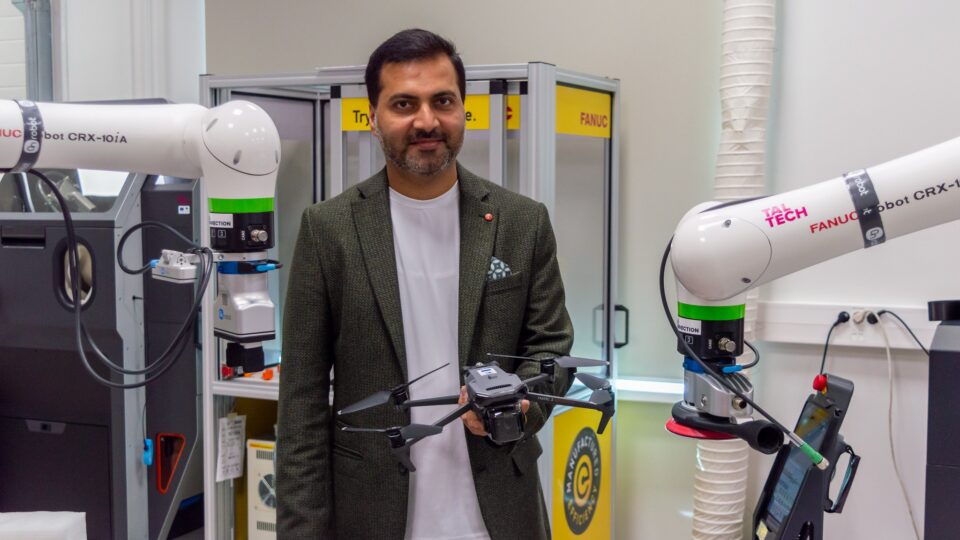
Pakistani researcher Kaleem Arshid has studied and worked in China, Italy and Spain. For the past few months, he has worked at TalTech’s Virumaa College, researching how people and intelligent machines can act as partners — with robots working alongside people rather than replacing them.
Smartwatches collect ever more data about our health, but not every reading can yet be trusted. TalTech researchers are investigating how to make information collected on the wrist usable in healthcare.

Narfe World, a company founded by TalTech alumnus Abdul Salam Mohammed and his team, aims to transform how people plan their travels. The platform, currently being developed in the Tehnopol AI Accelerator, uses artificial intelligence to turn travel content produced by online creators into personalised itineraries.
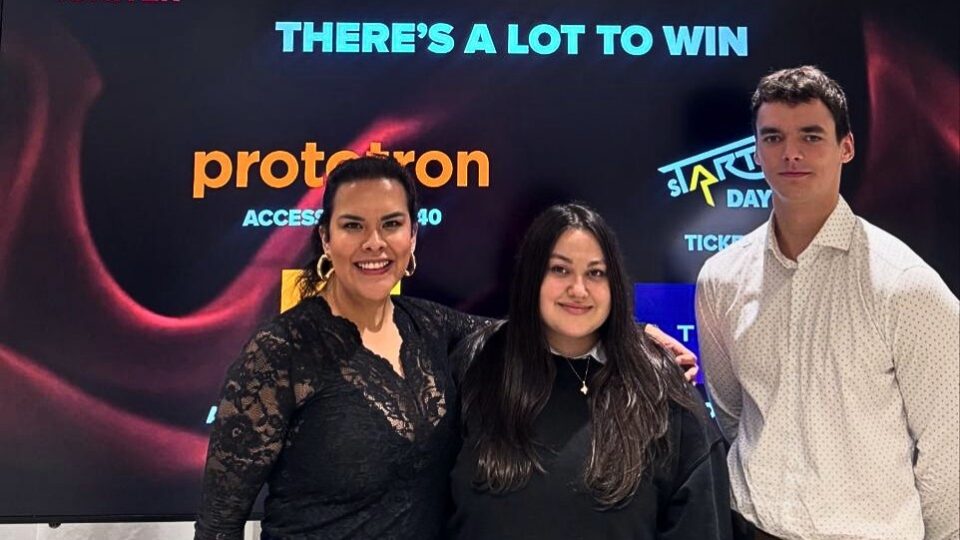
Joonas Parre entered TalTech’s Igniter programme with a blank page. No idea, no team, no company. A few months later, he was helping build Vivia – a WhatsApp-based healthtech startup designed to remind older adults to take their medicine, reduce loneliness and give families peace of mind.
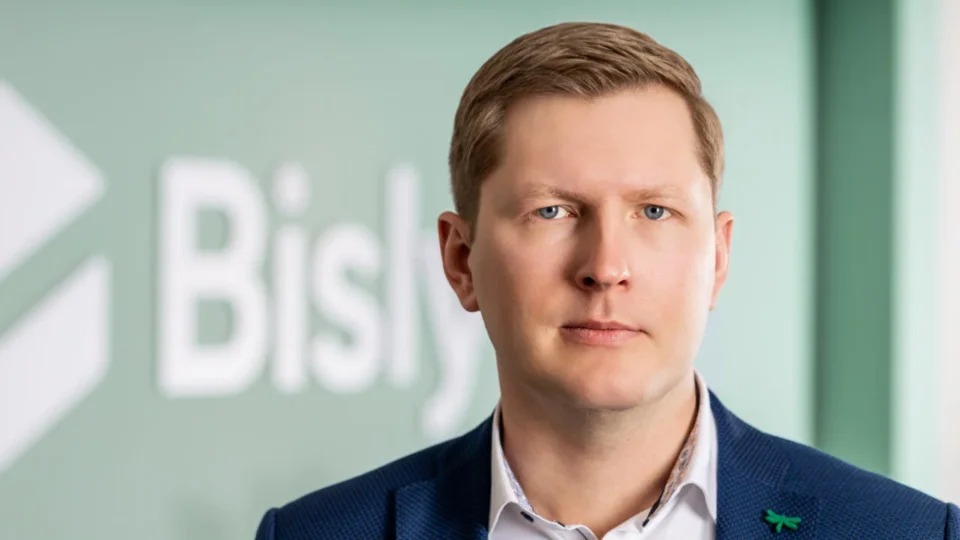
Estonia stands at a turning point where good ideas and a strong digital reputation are no longer enough. A shifting economy, geopolitical tensions, and the age of artificial intelligence force us to ask: are we a country that makes decisions, or one that is decided for? According to Ants Vill, member of the TalTech Council and CEO of Bisly, Estonia’s greatest challenge is not a lack of innovation but a lack of decisiveness – and inevitability is not born of consensus, but of deliberate choices.

TalTech’s direct current innovation workshop brought together the public sector, researchers, and entrepreneurs, all emphasizing one key point: the development of direct current (DC) is no longer confined to drawings and models, but is rapidly making its way into real buildings, streets, chargers, and data centres. The technology is already there – what is needed now is decisiveness.

Estonian peat has been historically used as fuel, last decades valorized as a gardening substrate, but new research shows it has the potential to play a key part in UV-blocking coating, protective cosmetics, smart packaging or next-generation bioplastics. By reimagining this familiar material, researchers are revealing possibilities that could reshape how Estonia uses one of its abundant natural resources.
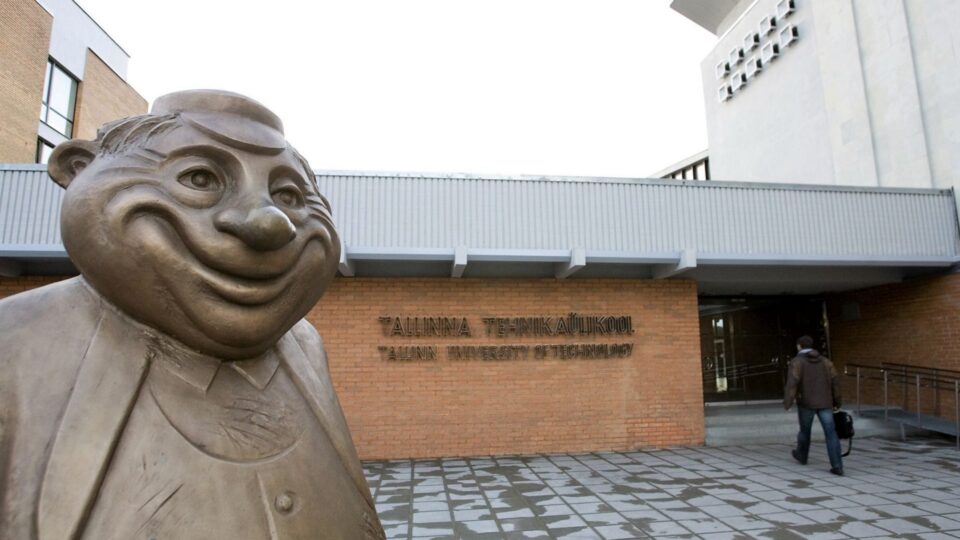
How can TalTech be shaped over the next decade into a driving force that cultivates engineers, generates technologies, and connects science with entrepreneurship? This question was tackled during the TalTech development strategy discussion “TalTech 2035 – Estonia’s Growth Platform of the Future?” by Vice-Rector for Entrepreneurship Erik Puura, Tehnopol CEO Agnes Roos, Head of the Innovation and Technology Department at the Ministry of Economic Affairs and Communications Sigrid Rajalo, and TalTech Council member and CFO of the tech company Helmes, Madis Margus.
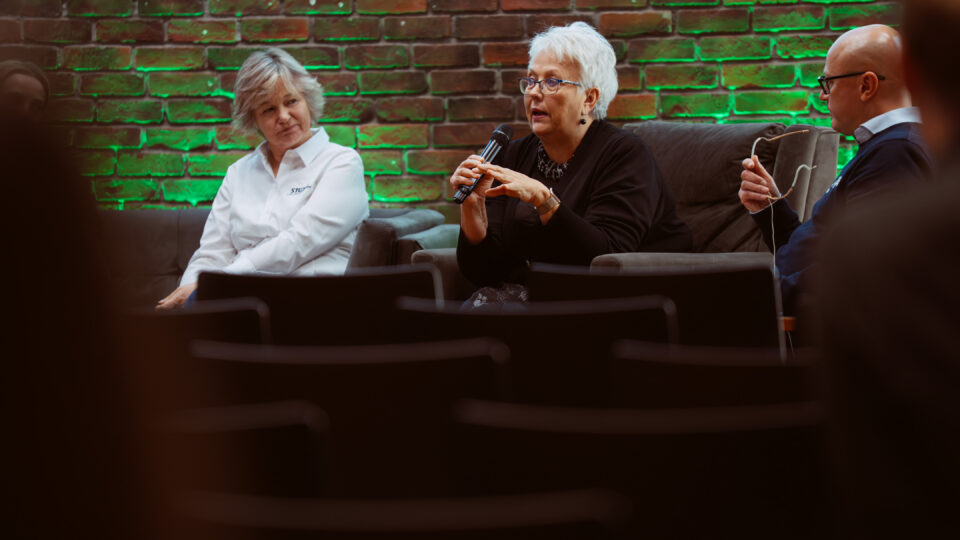
The panel discussion at the university's health and food technology focus center’s specialty day showed that while Estonia’s vision is clear and effective solutions already exist, the sector still faces various obstacles such as bureaucracy, labor shortages, and fragmentation – there is a lack of a cooperation mechanism that would lead problems swiftly to solutions.