
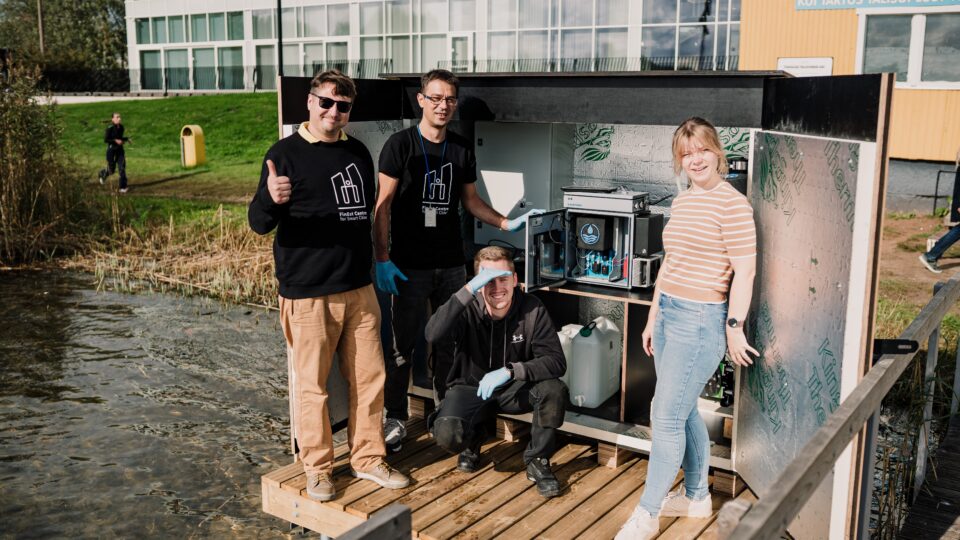
Ideally, bathing water quality monitoring should provide people with a quick and reliable answer to a very simple question: is it safe to go swimming today or not? In practice, however, this information often reaches people too late.
future
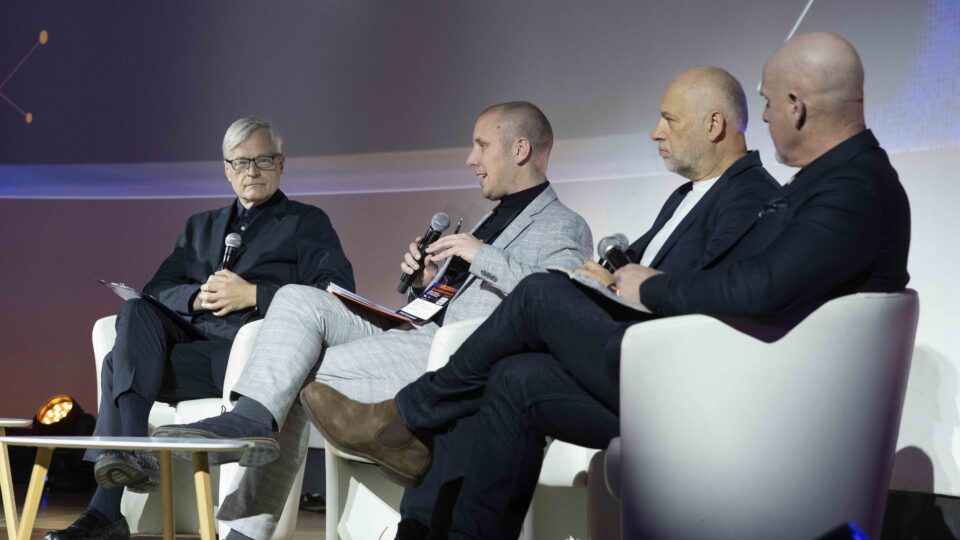
One of the most substantial discussions at the defence conference EstMil.tech, co-organised by Tallinn University of Technology, was a panel in which defence experts from different countries and backgrounds examined the military role and potential of artificial intelligence. The question was simple yet sharp: whether – and to what extent – does AI change decision-making on the battlefield?
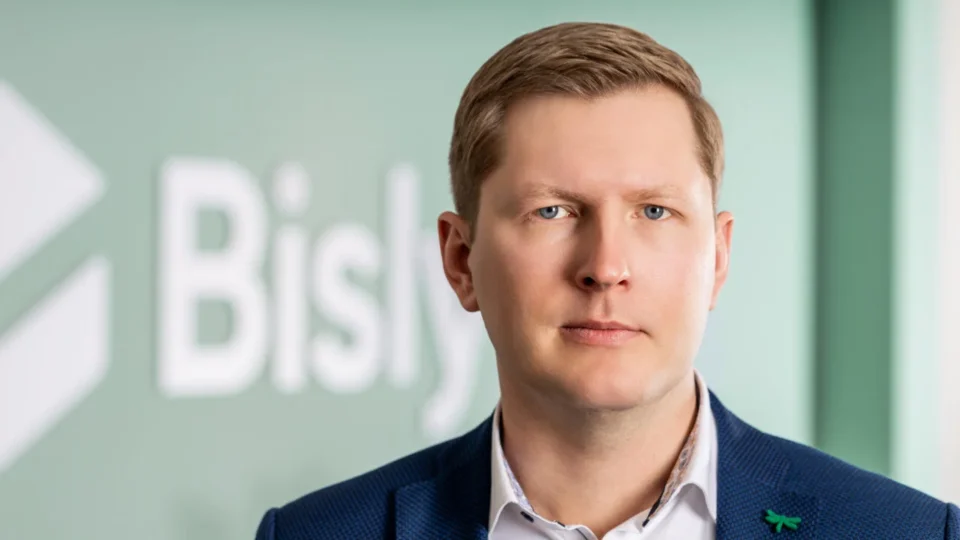
Estonia stands at a turning point where good ideas and a strong digital reputation are no longer enough. A shifting economy, geopolitical tensions, and the age of artificial intelligence force us to ask: are we a country that makes decisions, or one that is decided for? According to Ants Vill, member of the TalTech Council and CEO of Bisly, Estonia’s greatest challenge is not a lack of innovation but a lack of decisiveness – and inevitability is not born of consensus, but of deliberate choices.

TalTech’s direct current innovation workshop brought together the public sector, researchers, and entrepreneurs, all emphasizing one key point: the development of direct current (DC) is no longer confined to drawings and models, but is rapidly making its way into real buildings, streets, chargers, and data centres. The technology is already there – what is needed now is decisiveness.

Estonian peat has been historically used as fuel, last decades valorized as a gardening substrate, but new research shows it has the potential to play a key part in UV-blocking coating, protective cosmetics, smart packaging or next-generation bioplastics. By reimagining this familiar material, researchers are revealing possibilities that could reshape how Estonia uses one of its abundant natural resources.
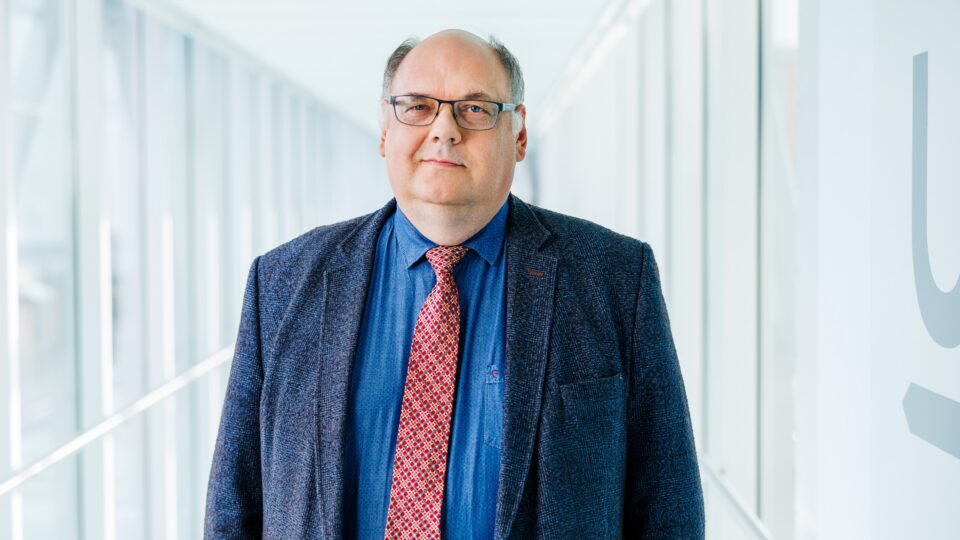
TalTech is preparing a new development plan that will define the university’s direction for the next decade. In an interview with Trialoog, Vice-Rector for Entrepreneurship Erik Puura says the university must be guided both by instinct and by a clear strategy.
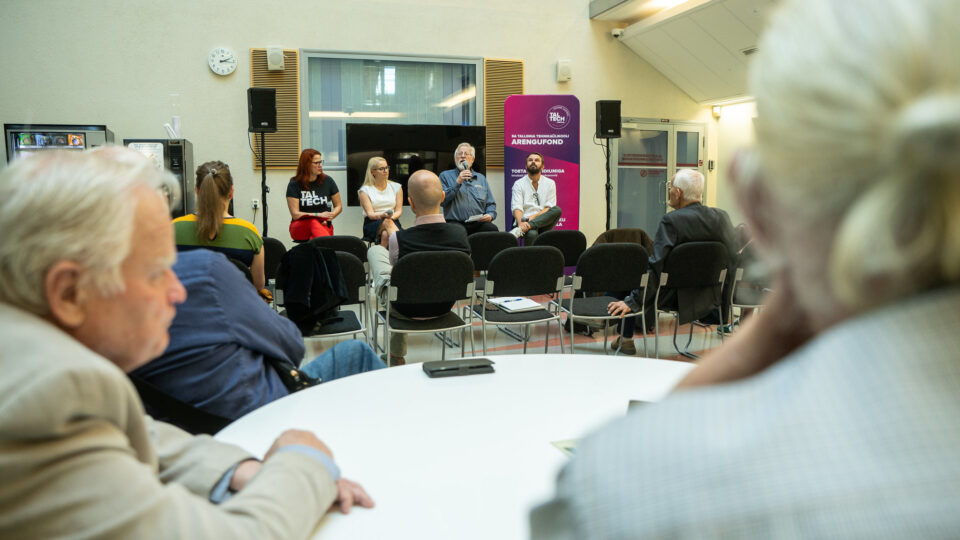
TalTech’s Green Theme Month panel discussion tackled one of Estonia’s greatest social contradictions – climate skepticism – and asked what sustainability means in today’s world and which environmental problems engineering can actually solve. The discussion brought together academician Tarmo Soomere, professor Erkki Karo, ESG specialist Merili Vares, and was moderated by Mari Öö Sarv, editor-in-chief of Mente et Manu.
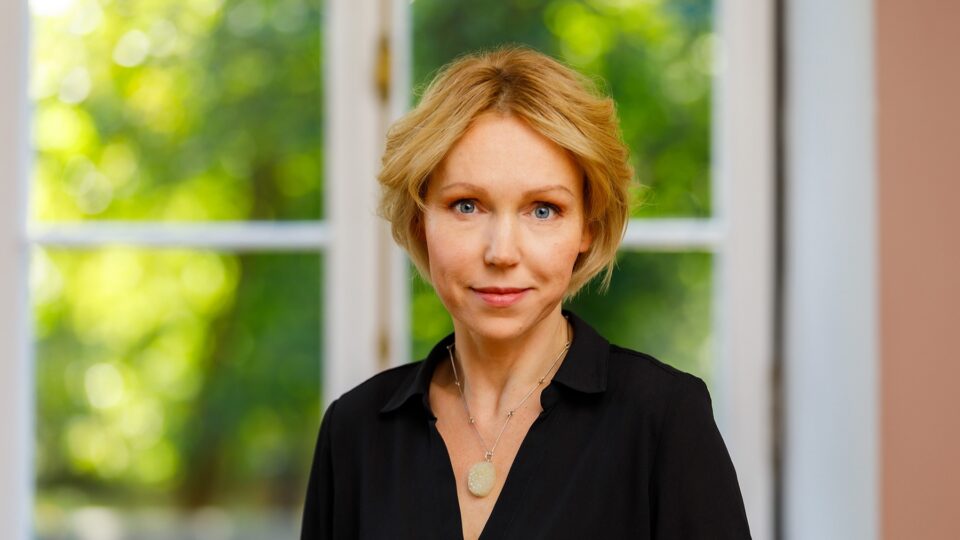
What is the energy transition? And why do we even need one – why can’t we just continue with oil shale?
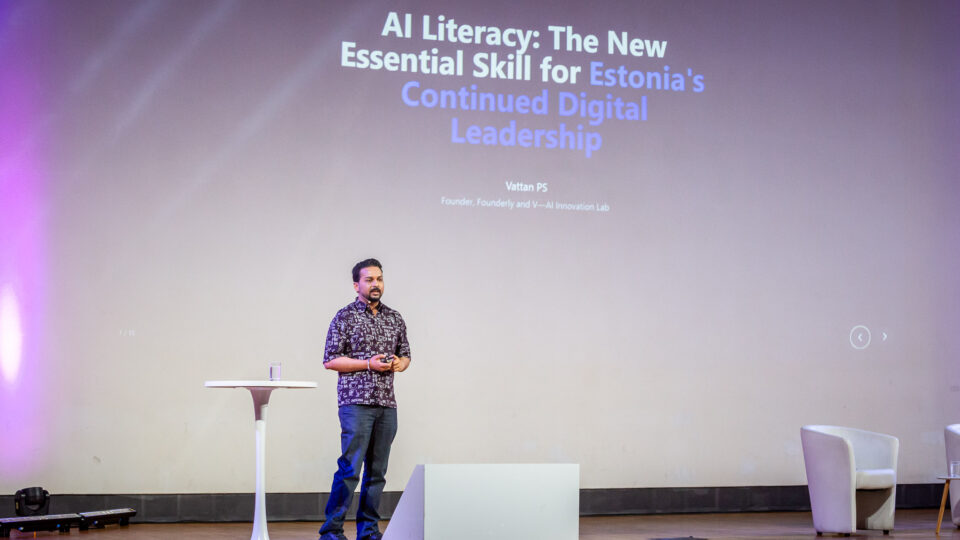
Estonia has all the prerequisites to become a leader in the age of artificial intelligence – but this opportunity must not be missed.
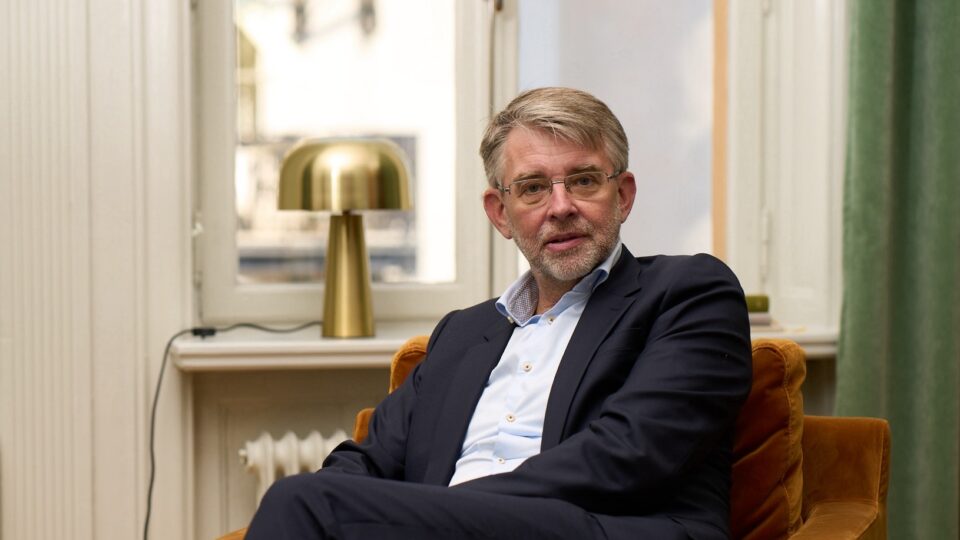
Technology is no longer just a tool – it’s a force reshaping industries, transforming societies, and challenging our understanding of reality. But with this unprecedented power comes a critical question: are we truly in control of technology, or are we merely at its mercy?