
Estonian peat has been historically used as fuel, last decades valorized as a gardening substrate, but new research shows it has the potential to play a key part in UV-blocking coating, protective cosmetics, smart packaging or next-generation bioplastics. By reimagining this familiar material, researchers are revealing possibilities that could reshape how Estonia uses one of its abundant natural resources.
future

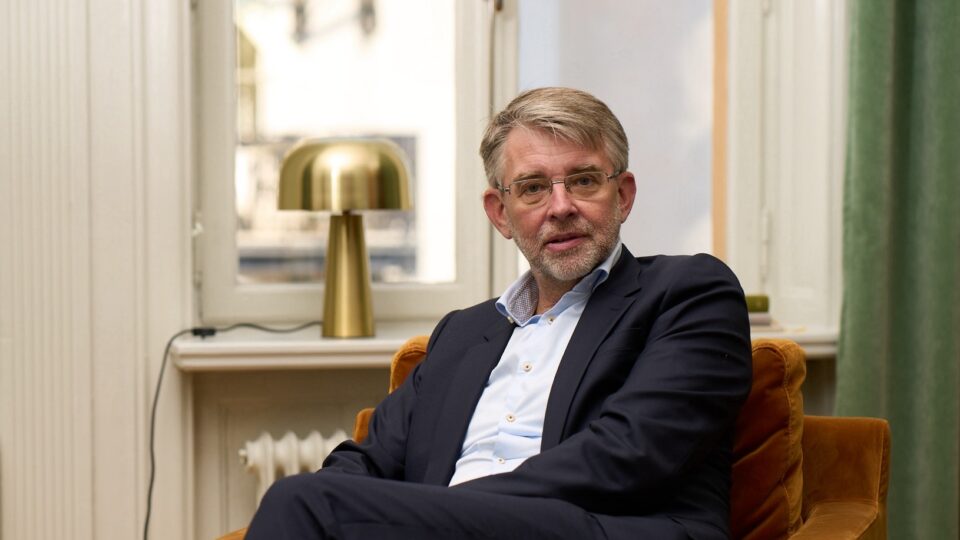
TalTech is preparing a new development plan that will define the university’s direction for the next decade. In an interview with Trialoog, Vice-Rector for Entrepreneurship Erik Puura says the university must be guided both by instinct and by a clear strategy.
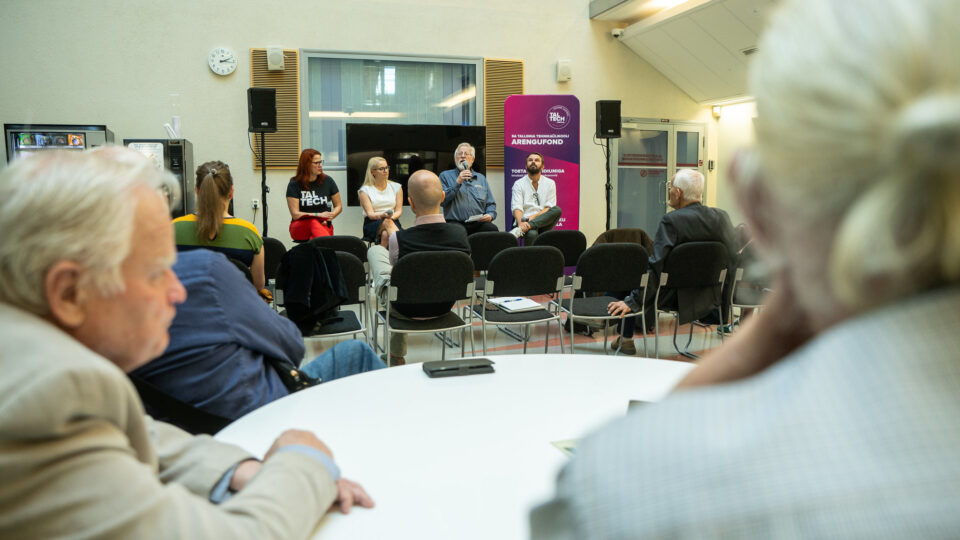
TalTech’s Green Theme Month panel discussion tackled one of Estonia’s greatest social contradictions – climate skepticism – and asked what sustainability means in today’s world and which environmental problems engineering can actually solve. The discussion brought together academician Tarmo Soomere, professor Erkki Karo, ESG specialist Merili Vares, and was moderated by Mari Öö Sarv, editor-in-chief of Mente et Manu.
What is the energy transition? And why do we even need one – why can’t we just continue with oil shale?
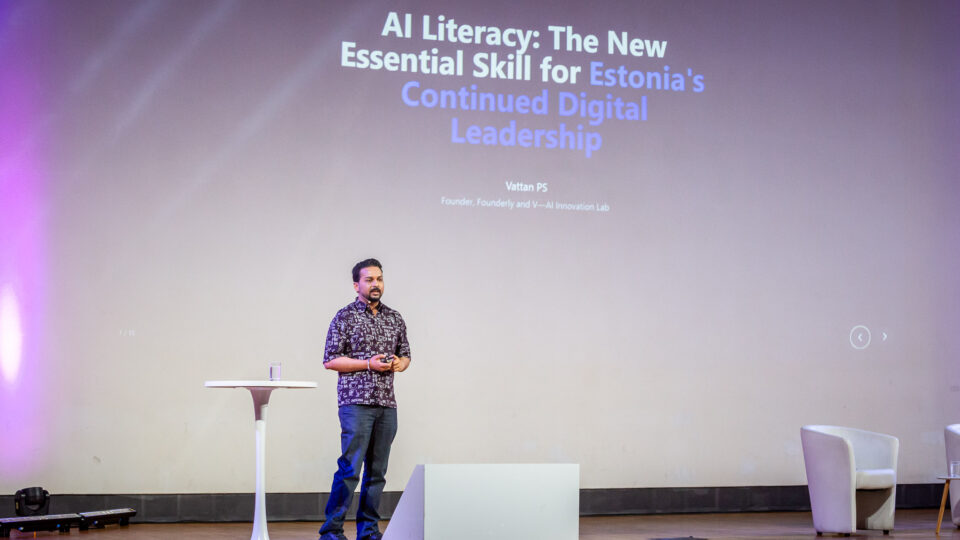
Estonia has all the prerequisites to become a leader in the age of artificial intelligence – but this opportunity must not be missed.
Technology is no longer just a tool – it’s a force reshaping industries, transforming societies, and challenging our understanding of reality. But with this unprecedented power comes a critical question: are we truly in control of technology, or are we merely at its mercy?
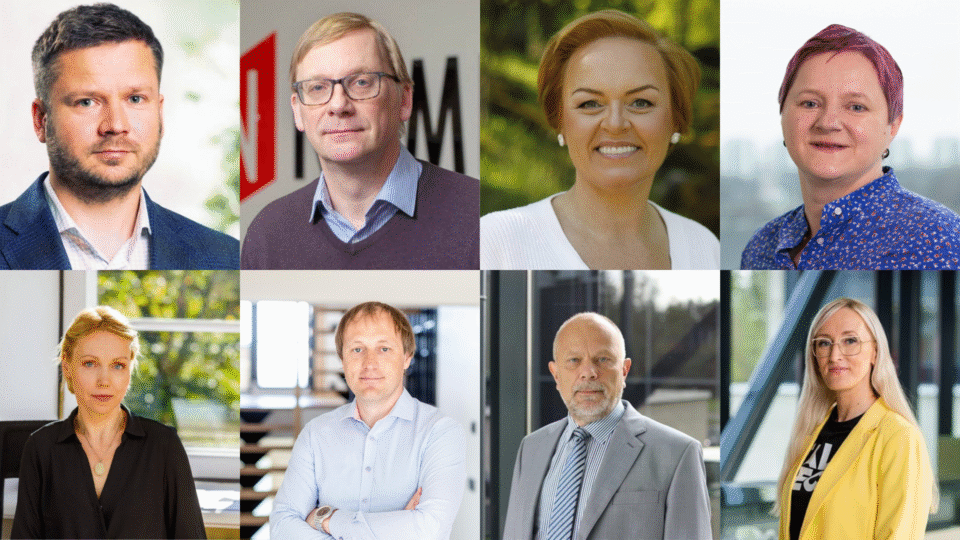
Estonia's future won’t unfold by chance – it depends on knowledge, ideas, and the ability to bring those ideas to life. That's why it's crucial to ask who should shape our future and how.
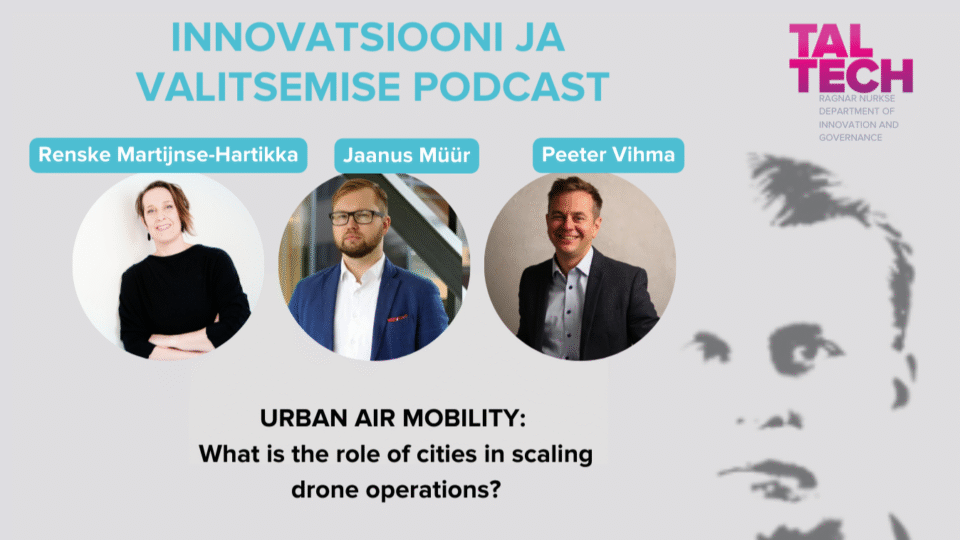
As drones become an increasingly common sight in urban airspace, what role do cities play in managing and scaling their operations? In this episode of TalTech's "Innovation and Governance" podcast, we turn our attention to the skies above our cities – spaces that are rapidly becoming populated with drones.
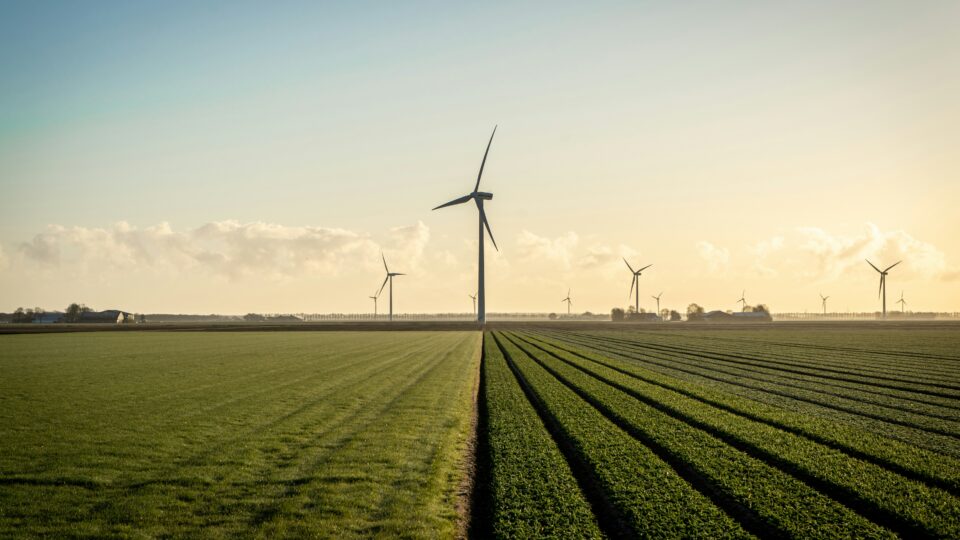
According to Professor Ivo Palu, the development of wind energy in Estonia is not hindered by technology but by a lack of societal will – we simply don’t dare to build.
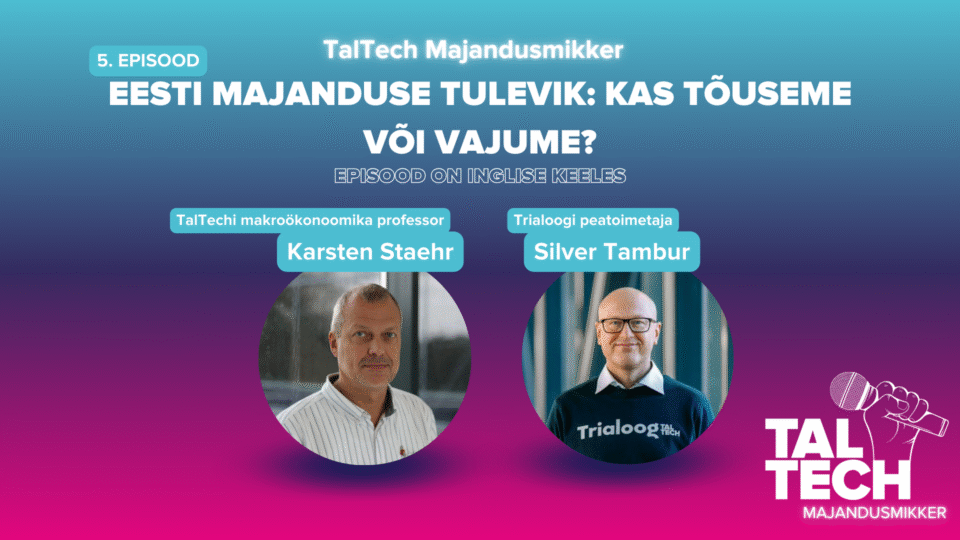
TalTechi majandusteaduskonna taskuhäälingu "Majandusmikker" värskes episoodis vestlevad Eesti majanduse väljavaadetest ülikooli ettevõtlus- ja teadusportaali Trialoog peatoimetaja Silver Tambur ja makroökonoomika professor Karsten Staehr.