Marti Arak: we cannot control the weather or energy prices, but we can control consumption

19.10.2026
Marti Arak: we cannot control the weather or energy prices, but we can control consumption. 19.10.2026. Marti Arak is one of Estonia’s best-known voices in energy saving and building automation. His expertise and practical experience have helped public and private sector organisations achieve significant cost efficiencies, raised awareness of the field and helped build a network of cooperation between different stakeholders. Engineering as a “recommended” choice Marti had an ideal background for studying engineering and earning his degree. “I come from a family where my mother, father and grandfather were mathematics teachers. Choosing to study at TalTech was not entirely accidental; you could say it was a recommended choice,” admits Marti, who graduated cum laude with a master’s degree in Product Development and Production Engineering in 2013. His thesis, on designing a trailerable boat through stress and fatigue analysis using the finite element method, earned him two awards in research competitions. He says TalTech has many excellent lecturers who have inspired him and served as role models throughout his subsequent career. Lecturer Priit Põdra, for example, has a phenomenal ability to explain complex matters simply and clearly. “We have also delivered training courses together since then,” he notes. Marti’s thesis supervisor, Toivo Tähemaa, stood out for his ability to keep the broader objectives and business considerations in view during product development. “Mathematics lecturer Lembit Pallas always started his lectures precisely on time, and what was extraordinary was that he knew every student’s name by heart,” Marti recalls fondly of his time at TalTech. Alongside his university studies and full-time job, Marti also helped organise Robotex, a project with a mission he considered very important. Over ten years, he took on various roles, including responsibility for sponsorship and later project management. “When I started at Robotex, we organised a single competition with around 20 robots and an audience of roughly 1,300. By the time I left in 2017, we were the world’s largest robotics competition: 23 competitions, 1,300 robots and 25,000 spectators,” says Marti, who, true to his engineering background, still remembers the figures. “When I started at Robotex, we organised a single competition with around 20 robots and an audience of roughly 1,300. By the time I left in 2017, we were the world’s largest robotics competition: 23 competitions, 1,300 robots and 25,000 spectators.” Let’s save together In 2014, two students, Ants Vill and Kristjan Kookmaa, were doing their military service when they decided it was time to start their own company. They began by offering energy-saving solutions and also opened an online shop selling smart products designed to reduce energy consumption. Initially, they focused on private customers and worked in four areas: water, heating, lighting and energy consumption monitoring. The company was called Hoiame Kokku — “Let’s save together” — which was also the advertising slogan of a retail chain. This brought the fledgling business an unexpected amount of positive attention. Marti joined the team that same year, when the business was at a crossroads and Ants moved on to become a production manager at a notebook manufacturer. “We put in €10,000 of our own money to hire four salespeople,” Marti recalls of the company’s eventful beginnings. “The first never actually started. The second decided to leave after two or three weeks because their skills did not match what they had promised at the job interview. The third became an engineer at ABB, while the fourth preferred to spend their working hours playing computer games, so we had to ask them to move on.” That exhausted the young entrepreneurs’ seed capital, and they decided not to recruit any more salespeople. But they moved forward quickly, shifting their focus towards developing services for business customers. At some point, the company also acquired a new name: DeltaE Inseneribüroo. The company’s boom years came between 2019 and 2024, when turnover grew by 25% a year to reach €4.5 million. The energy crisis was the main driver of this growth. “There are plenty of people who care about energy efficiency, but finding engineers with the expertise our team needs is much harder,” Marti observes. “We have a problem when a CV looks perfect and lists every medal, but the person lacks a feel for real life. For example, they cannot distinguish a heating substation from a cooling substation on a drawing.” He stresses how important it is for engineers to gain practical experience on actual project sites, both during their studies and later in their working lives. “A project cannot exist only on paper; it must also take real conditions into account,” Marti emphasises. “A project cannot exist only on paper; it must also take real conditions into account.” Energy efficiency in Estonia According to Marti, ten years ago, investment in energy efficiency was primarily driven by financial returns. Energy prices were low at the time — €70–90 per megawatt-hour — a price one can only dream of today. The emphasis has since shifted. Energy efficiency now receives greater attention because of climate-related legislation and obligations, customers’ desire to reduce costs and a broader change in attitudes. “For example, if the indoor environment is poor, the tenant will leave,” Marti notes. “People are much more aware today.” In Marti’s view, TalTech Professor Jarek Kurnitski and his team have made a major contribution to raising awareness and deserve considerable praise for their work. Lighting, noise, temperature and ventilation: buildings must now provide the required indoor conditions with the best possible energy efficiency, and that also requires the capacity to manage these systems effectively. One of the biggest challenges is that electricity consumption is growing faster than generation. Increasing electrification is driving this trend: the spread of electric cars, the development of data centres and AI infrastructure, and the switch from gas to electricity. There is also a desire to reduce dependence on gas for geopolitical reasons, as gas supplies linked to a country at war and political tensions have led to sharp price increases. According to Marti, gas prices rose as much as fifteenfold in a short period. “The broader trends worry me a little: can sustainable energy generation keep pace with growing consumption, and how will consumption peaks be smoothed out in the future?” Marti admits. One strategic question in running a company is how to anticipate these trends and develop existing services to meet changing needs. Marti also stresses that artificial intelligence is here to stay and will affect every organisation. “Those who do not engage with it will lose competitiveness,” he says. “That is already clearly visible.” Marti himself has significantly improved his efficiency at work with the help of AI. “The broader trends worry me a little: can sustainable energy generation keep pace with growing consumption, and how will consumption peaks be smoothed out in the future?” Mission and cooperation Marti has made it his mission to raise customers’ awareness of energy efficiency and share best practices. “Since 2015, we have organised 71 training courses attended by around 3,500 people,” he points out. Numerous experts and practitioners have also contributed to the courses, sharing knowledge, practical experience and useful advice. Marti says cooperation has worked best with leaders who see the bigger picture and understand the importance of bringing in external experts to complement their own knowledge. Among local authorities, he singles out the municipal governments of Väike-Maarja and Tapa, which he regards as well-run organisations with clear energy efficiency strategies. In commercial property, Marti highlights his long-standing cooperation with Larsen, which offers flexible accommodation with shared spaces and community services. He also praises the work with Scania Eesti, where strong project management has helped achieve excellent results. Among industrial companies, he recognises Viking Window and Krah Pipes for their long-standing cooperation and for basing energy efficiency decisions on data and long-term objectives. When Marti is finally asked what advice he would give young people today, based on his experience and knowledge, his answer is short and to the point: “Study mathematics!” “Study mathematics!”
Development Manager at TalTech’s Engineering Academy
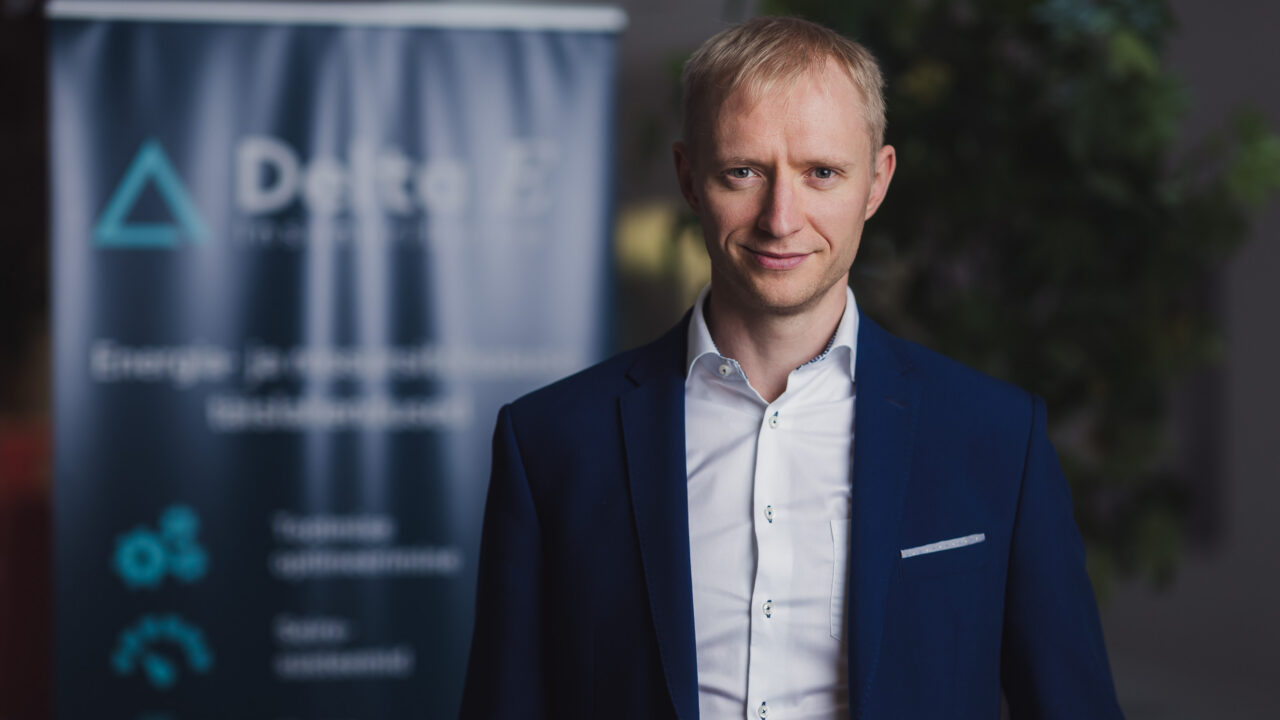
DeltaE CEO Marti Arak has built a successful company around energy-saving solutions. Photo: private collection

DeltaE CEO Marti Arak has built a successful company around energy-saving solutions. Photo: private collection

TalTech alumnus and DeltaE Inseneribüroo owner Marti Arak has turned energy efficiency into a successful business. He says that technical solutions alone are not enough to achieve energy savings: skilled engineers, practical experience and the ability to see the bigger picture are also essential.

Marti Arak is one of Estonia’s best-known voices in energy saving and building automation. His expertise and practical experience have helped public and private sector organisations achieve significant cost efficiencies, raised awareness of the field and helped build a network of cooperation between different stakeholders.

Engineering as a “recommended” choice

Marti had an ideal background for studying engineering and earning his degree. “I come from a family where my mother, father and grandfather were mathematics teachers. Choosing to study at TalTech was not entirely accidental; you could say it was a recommended choice,” admits Marti, who graduated cum laude with a master’s degree in Product Development and Production Engineering in 2013.

His thesis, on designing a trailerable boat through stress and fatigue analysis using the finite element method, earned him two awards in research competitions.

He says TalTech has many excellent lecturers who have inspired him and served as role models throughout his subsequent career. Lecturer Priit Põdra, for example, has a phenomenal ability to explain complex matters simply and clearly. “We have also delivered training courses together since then,” he notes.

Marti’s thesis supervisor, Toivo Tähemaa, stood out for his ability to keep the broader objectives and business considerations in view during product development. “Mathematics lecturer Lembit Pallas always started his lectures precisely on time, and what was extraordinary was that he knew every student’s name by heart,” Marti recalls fondly of his time at TalTech.

Alongside his university studies and full-time job, Marti also helped organise Robotex, a project with a mission he considered very important. Over ten years, he took on various roles, including responsibility for sponsorship and later project management.

“When I started at Robotex, we organised a single competition with around 20 robots and an audience of roughly 1,300. By the time I left in 2017, we were the world’s largest robotics competition: 23 competitions, 1,300 robots and 25,000 spectators,” says Marti, who, true to his engineering background, still remembers the figures.

“When I started at Robotex, we organised a single competition with around 20 robots and an audience of roughly 1,300. By the time I left in 2017, we were the world’s largest robotics competition: 23 competitions, 1,300 robots and 25,000 spectators.”
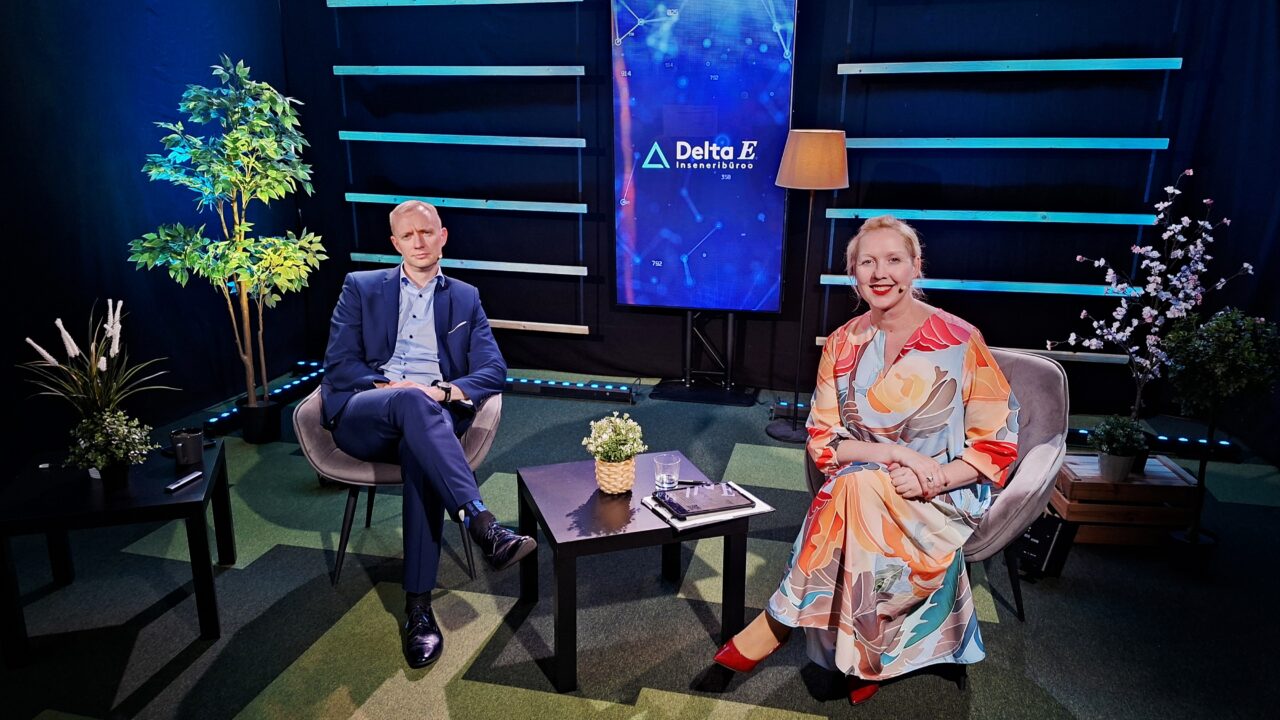
DeltaE CEO Marti Arak talks to the author, Triin Ploompuu, about energy saving, engineering and entrepreneurship. Photo: TalTech

DeltaE CEO Marti Arak talks to the author, Triin Ploompuu, about energy saving, engineering and entrepreneurship. Photo: TalTech

Let’s save together

In 2014, two students, Ants Vill and Kristjan Kookmaa, were doing their military service when they decided it was time to start their own company. They began by offering energy-saving solutions and also opened an online shop selling smart products designed to reduce energy consumption.

Initially, they focused on private customers and worked in four areas: water, heating, lighting and energy consumption monitoring. The company was called Hoiame Kokku — “Let’s save together” — which was also the advertising slogan of a retail chain. This brought the fledgling business an unexpected amount of positive attention.

Marti joined the team that same year, when the business was at a crossroads and Ants moved on to become a production manager at a notebook manufacturer. “We put in €10,000 of our own money to hire four salespeople,” Marti recalls of the company’s eventful beginnings. “The first never actually started. The second decided to leave after two or three weeks because their skills did not match what they had promised at the job interview. The third became an engineer at ABB, while the fourth preferred to spend their working hours playing computer games, so we had to ask them to move on.”

That exhausted the young entrepreneurs’ seed capital, and they decided not to recruit any more salespeople. But they moved forward quickly, shifting their focus towards developing services for business customers. At some point, the company also acquired a new name: DeltaE Inseneribüroo.

The company’s boom years came between 2019 and 2024, when turnover grew by 25% a year to reach €4.5 million. The energy crisis was the main driver of this growth.

“There are plenty of people who care about energy efficiency, but finding engineers with the expertise our team needs is much harder,” Marti observes. “We have a problem when a CV looks perfect and lists every medal, but the person lacks a feel for real life. For example, they cannot distinguish a heating substation from a cooling substation on a drawing.”

He stresses how important it is for engineers to gain practical experience on actual project sites, both during their studies and later in their working lives. “A project cannot exist only on paper; it must also take real conditions into account,” Marti emphasises.

“A project cannot exist only on paper; it must also take real conditions into account.”
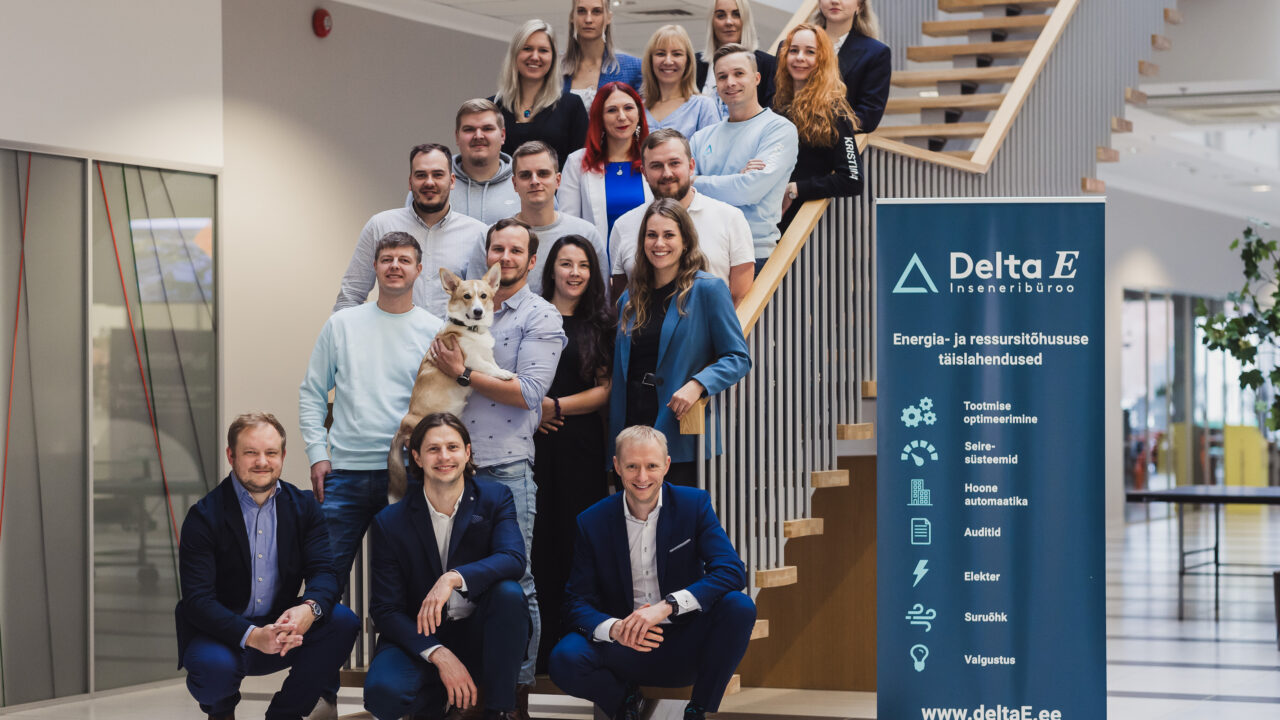
DeltaE’s success is built on skilled engineers, practical expertise and strong teamwork. Photo: DeltaE

DeltaE’s success is built on skilled engineers, practical expertise and strong teamwork. Photo: DeltaE

Energy efficiency in Estonia

According to Marti, ten years ago, investment in energy efficiency was primarily driven by financial returns. Energy prices were low at the time — €70–90 per megawatt-hour — a price one can only dream of today.

The emphasis has since shifted. Energy efficiency now receives greater attention because of climate-related legislation and obligations, customers’ desire to reduce costs and a broader change in attitudes. “For example, if the indoor environment is poor, the tenant will leave,” Marti notes. “People are much more aware today.”

In Marti’s view, TalTech Professor Jarek Kurnitski and his team have made a major contribution to raising awareness and deserve considerable praise for their work. Lighting, noise, temperature and ventilation: buildings must now provide the required indoor conditions with the best possible energy efficiency, and that also requires the capacity to manage these systems effectively.

One of the biggest challenges is that electricity consumption is growing faster than generation. Increasing electrification is driving this trend: the spread of electric cars, the development of data centres and AI infrastructure, and the switch from gas to electricity. There is also a desire to reduce dependence on gas for geopolitical reasons, as gas supplies linked to a country at war and political tensions have led to sharp price increases. According to Marti, gas prices rose as much as fifteenfold in a short period.

“The broader trends worry me a little: can sustainable energy generation keep pace with growing consumption, and how will consumption peaks be smoothed out in the future?” Marti admits.

One strategic question in running a company is how to anticipate these trends and develop existing services to meet changing needs. Marti also stresses that artificial intelligence is here to stay and will affect every organisation. “Those who do not engage with it will lose competitiveness,” he says. “That is already clearly visible.” Marti himself has significantly improved his efficiency at work with the help of AI.

“The broader trends worry me a little: can sustainable energy generation keep pace with growing consumption, and how will consumption peaks be smoothed out in the future?”
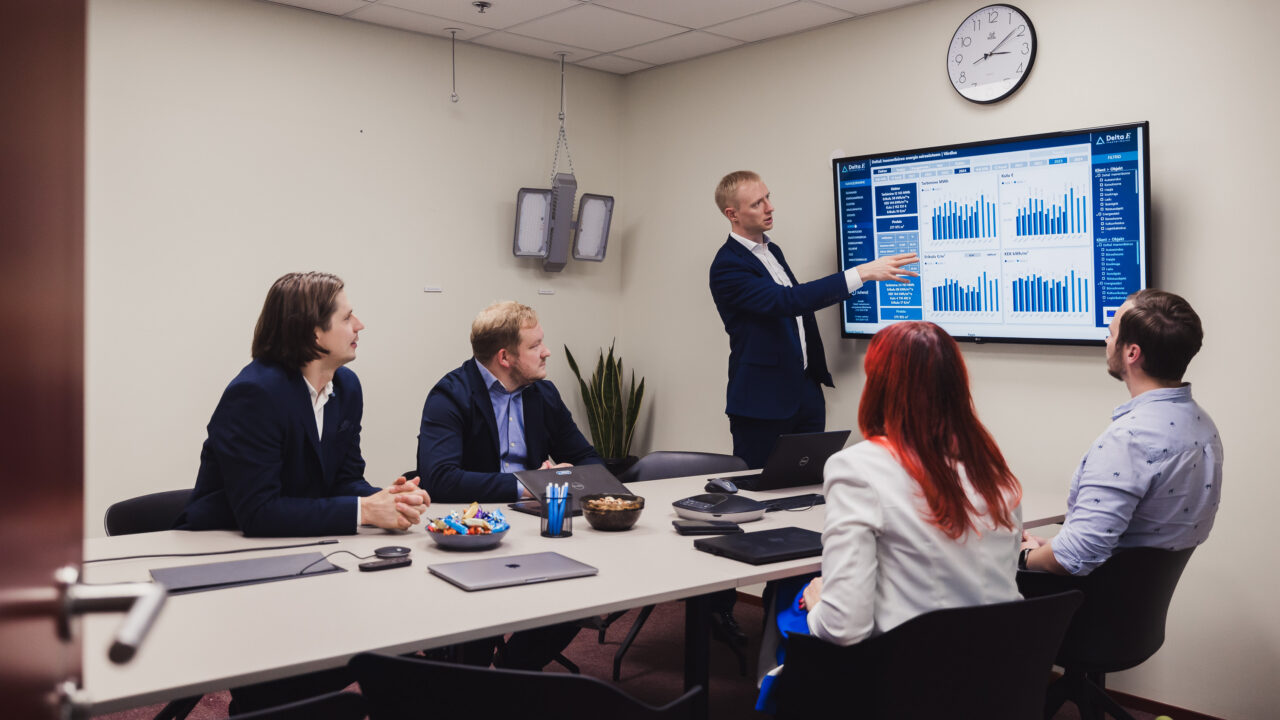
The DeltaE team analyses energy consumption data and looks for ways to improve efficiency. Photo: DeltaE

The DeltaE team analyses energy consumption data and looks for ways to improve efficiency. Photo: DeltaE

Mission and cooperation

Marti has made it his mission to raise customers’ awareness of energy efficiency and share best practices. “Since 2015, we have organised 71 training courses attended by around 3,500 people,” he points out. Numerous experts and practitioners have also contributed to the courses, sharing knowledge, practical experience and useful advice.

Marti says cooperation has worked best with leaders who see the bigger picture and understand the importance of bringing in external experts to complement their own knowledge. Among local authorities, he singles out the municipal governments of Väike-Maarja and Tapa, which he regards as well-run organisations with clear energy efficiency strategies.

In commercial property, Marti highlights his long-standing cooperation with Larsen, which offers flexible accommodation with shared spaces and community services. He also praises the work with Scania Eesti, where strong project management has helped achieve excellent results.

Among industrial companies, he recognises Viking Window and Krah Pipes for their long-standing cooperation and for basing energy efficiency decisions on data and long-term objectives.

When Marti is finally asked what advice he would give young people today, based on his experience and knowledge, his answer is short and to the point: “Study mathematics!”

“Study mathematics!”