
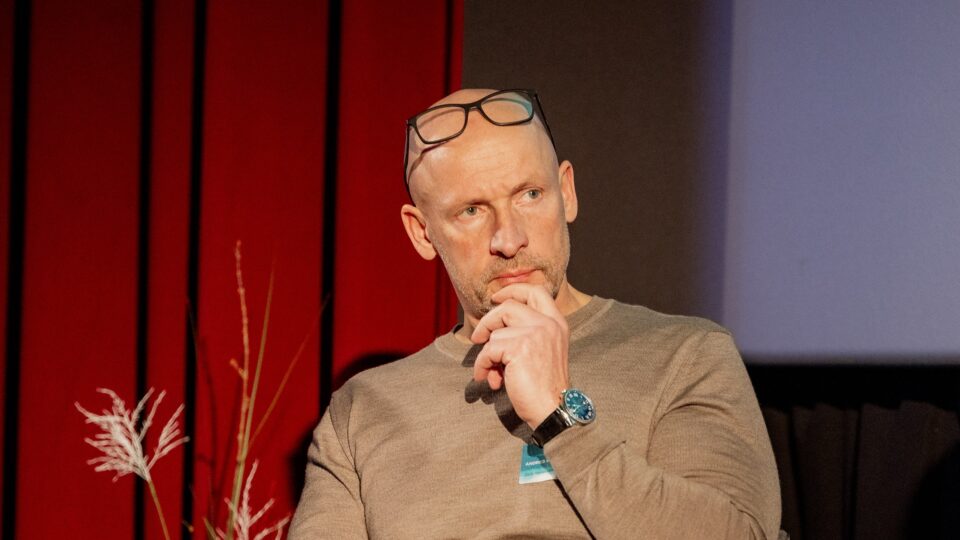
“Our country has let several decades slip by,” says Andres Veske, head of Energiasalv Pakri, of the development of Estonia’s energy sector. Having worked in the field for decades, Veske believes that although the changes in energy have been substantial, many necessary decisions have taken too long.
energy
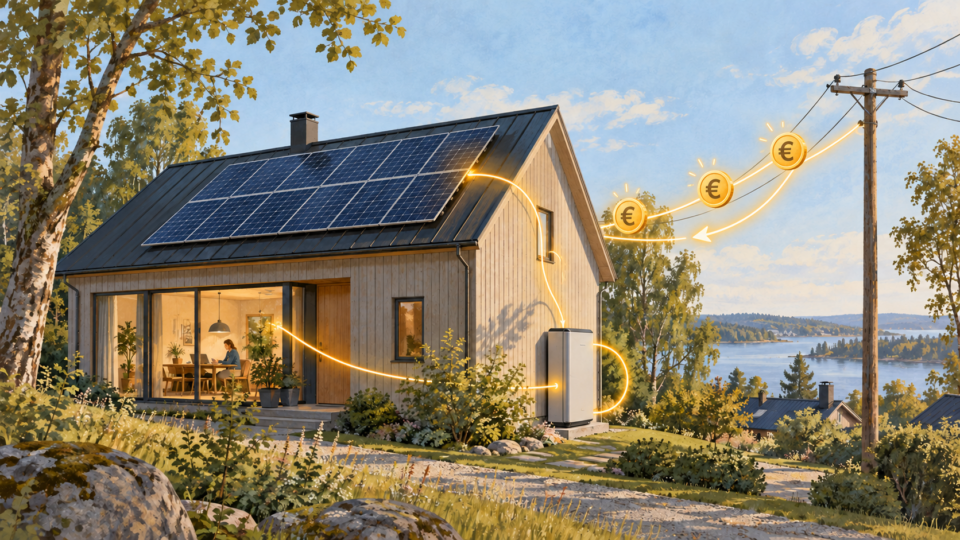
Keeping the electricity system in balance does not always mean generating more power – sometimes it is enough to reduce or increase consumption at the right moment. This was the idea behind Fusebox, founded more than a decade ago by TalTech alumnus Tarvo Õng. The company’s software is now used in almost ten countries, and Õng believes the next step should be to give businesses and ordinary people more control over their own energy use.
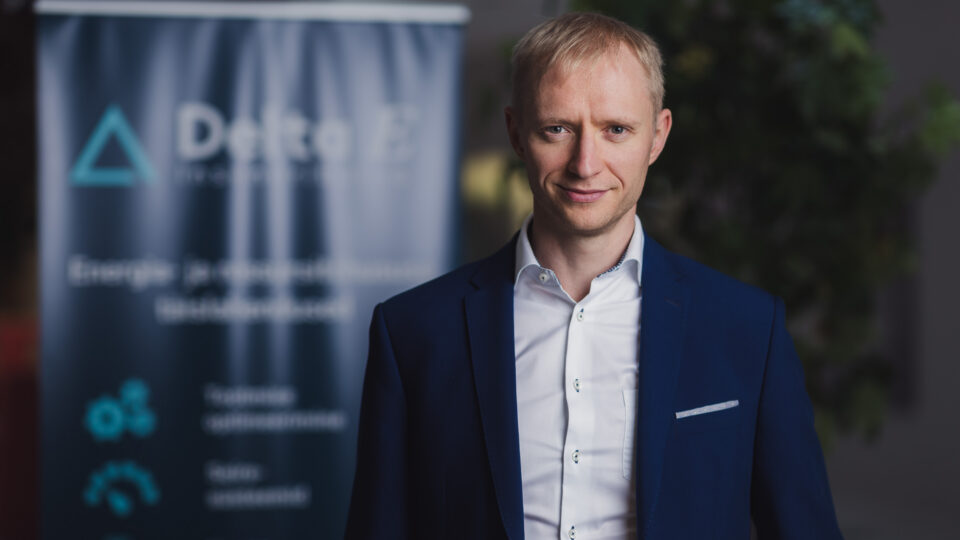
TalTech alumnus and DeltaE Inseneribüroo owner Marti Arak has turned energy efficiency into a successful business. He says that technical solutions alone are not enough to achieve energy savings: skilled engineers, practical experience and the ability to see the bigger picture are also essential.
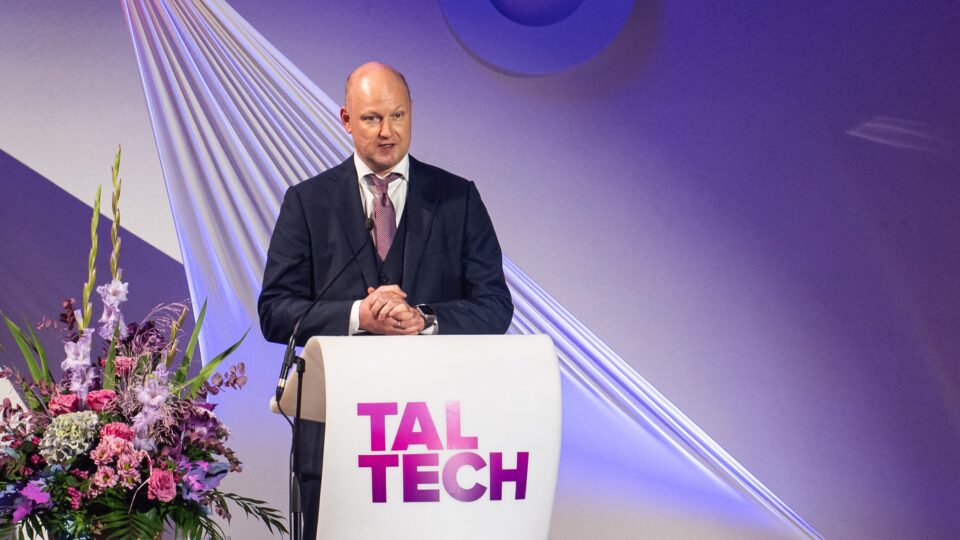
Cheaper, more reliable heating will increasingly depend on how intelligently we combine different energy sources. TalTech thermal energy specialist Igor Krupenski sees considerable untapped potential in waste heat from industry, data centres and wastewater in Estonia, alongside continued roles for wood chips, heat pumps and storage. Well-managed district heating could soften price fluctuations and help balance the energy system.

TalTech’s direct current innovation workshop brought together the public sector, researchers, and entrepreneurs, all emphasizing one key point: the development of direct current (DC) is no longer confined to drawings and models, but is rapidly making its way into real buildings, streets, chargers, and data centres. The technology is already there – what is needed now is decisiveness.
Russia and China’s new gas project, Power of Siberia-2, could reshape global energy policy, strengthen Beijing’s hand and leave Europe’s gas market more exposed than before.
The EU has unveiled a bold legal strategy to end its reliance on Russian gas by 2027 – but turning the plan into law risks legal, political and international trade disputes that could derail the effort.
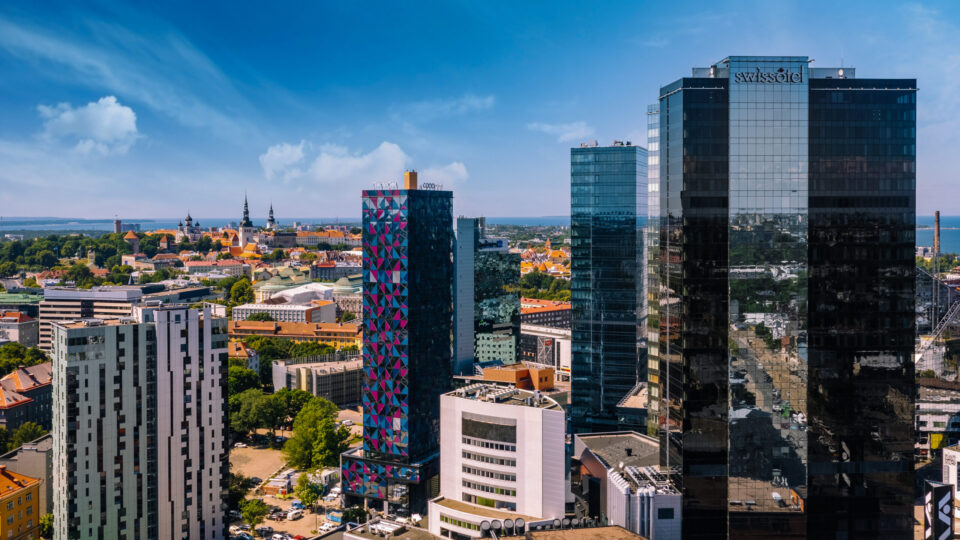
Is Estonia on the road to recovery – or drifting deeper into economic trouble? In the latest episode of "Majandusmikker", a podcast by TalTech’s School of Business and Governance, economist Karsten Staehr and Trialoog editor Silver Tambur weigh the country’s prospects.
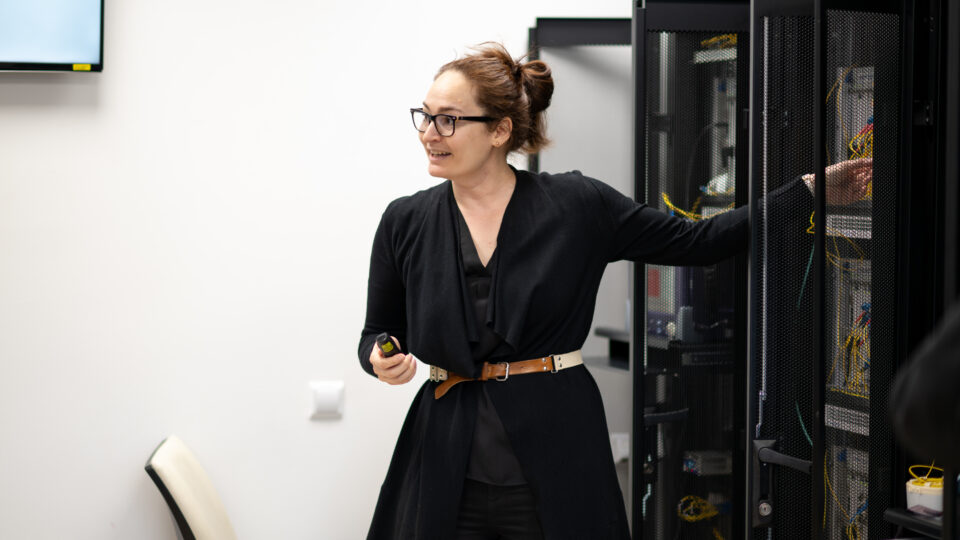
The preparations for establishing TalTech’s fiber optic communications and sensor lab began long ago, but the lab, opened in early March, has gained a new significance in light of the recent cable damage in the Baltic Sea.
TalTech professor Alar Konist warns that the speed of the green transition must not come at the expense of system reliability and the competitiveness of the economy.