
Opposing science and faith has become customary in the West – but what if the two are, in fact, inseparable?
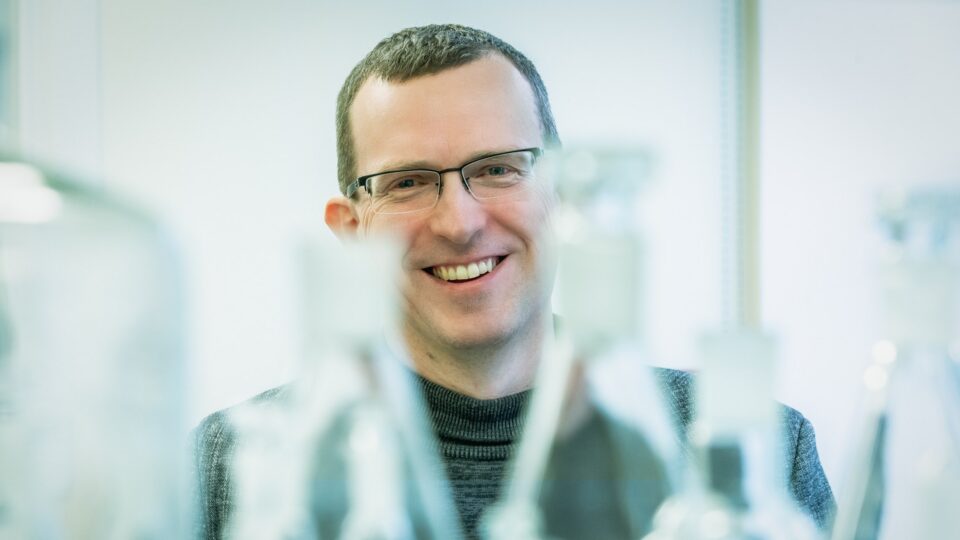
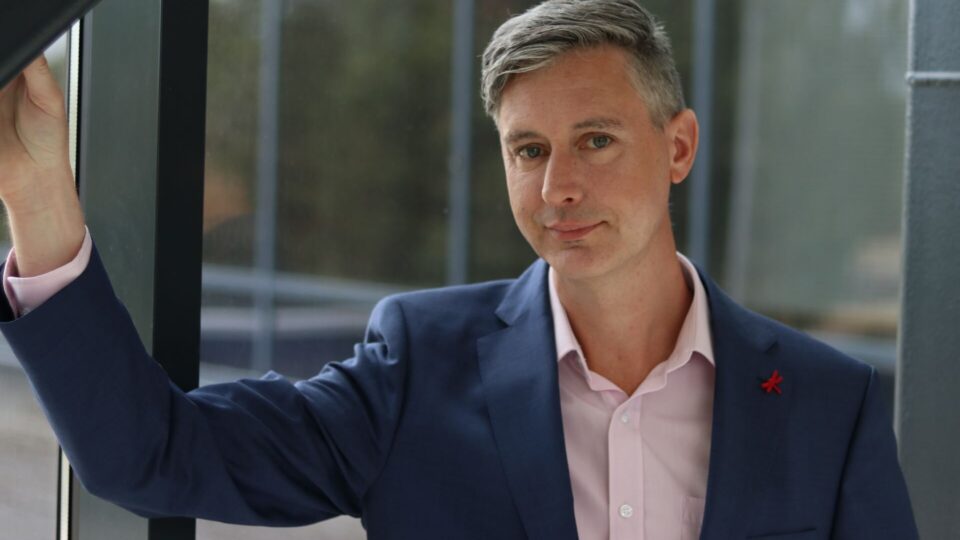
Establishing a single time zone in the European Union would facilitate business operations, reduce complexity in the transport and logistics sector, and promote international relations and cooperation, writes Mike Wahl, Associate Professor at the TalTech Department of Business Administration, in his commentary.
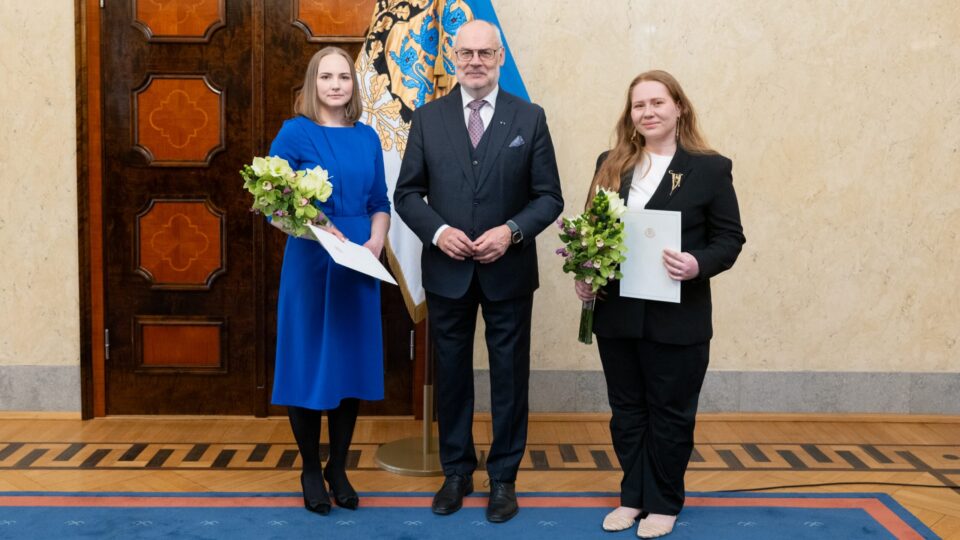
This year’s Young Engineer Award of the President of the Republic’s Cultural Foundation has been bestowed upon Karolina Kudelina-Zhang, an energy researcher at TalTech’s Virumaa College, and Annika Kaalep, Senior Biomedical Engineer and Head of Department at the North Estonia Medical Centre.
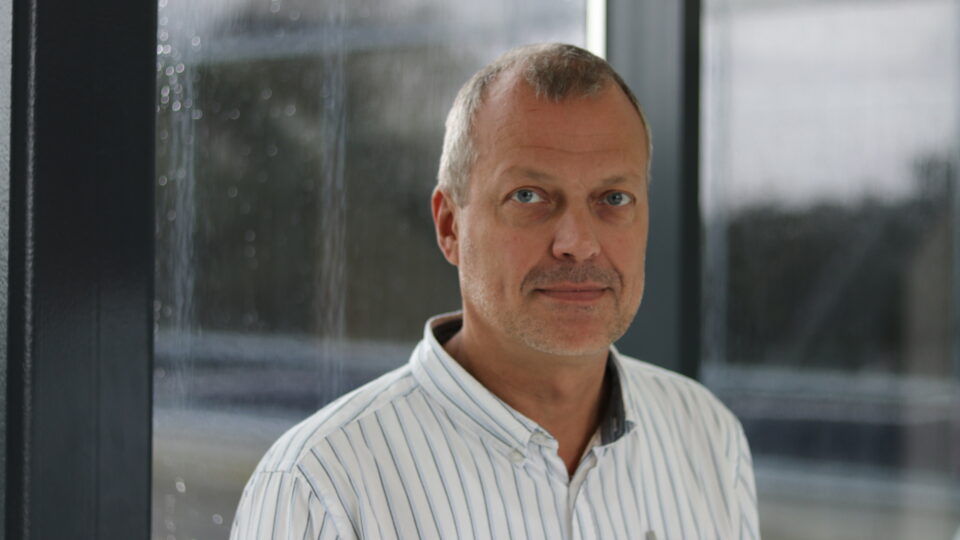
Rail Baltica was meant to connect the Baltic states to Europe’s rail network by 2026, but it has ended up at a very different station: the timetable has slipped, the budget is ballooning, and the project is being pared back step by step into a “simplified” version. Karsten Staehr examines why this megaproject has drifted onto a course of predictable failure.
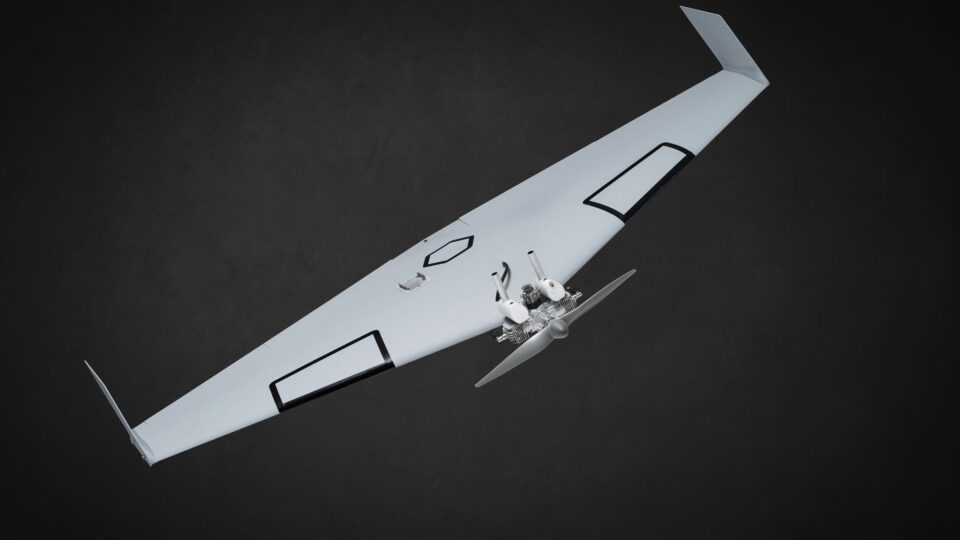
When people talk about drones, the focus tends to fall on technology – autonomy, artificial intelligence, and swarms. Tõnis Voitka, CEO of the Estonian defense company KrattWorks and a TalTech alumnus, instead turns a serious eye to manufacturing and business models. In his view, the course of drone warfare is determined not only by the sophistication of the systems, but also by the speed and scale of drone production and the sustainability of the company producing them.

Estonia’s startup scene is often described through success stories: big exits, fast-scaling teams, and the hunt for the next unicorn. But the researcher at TalTech Department of Business Administration Entrepreneurship and International Business Unit Jan Harima suggests a different lens – one that focuses less on single wins and more on what happens to people, money and know-how over time.
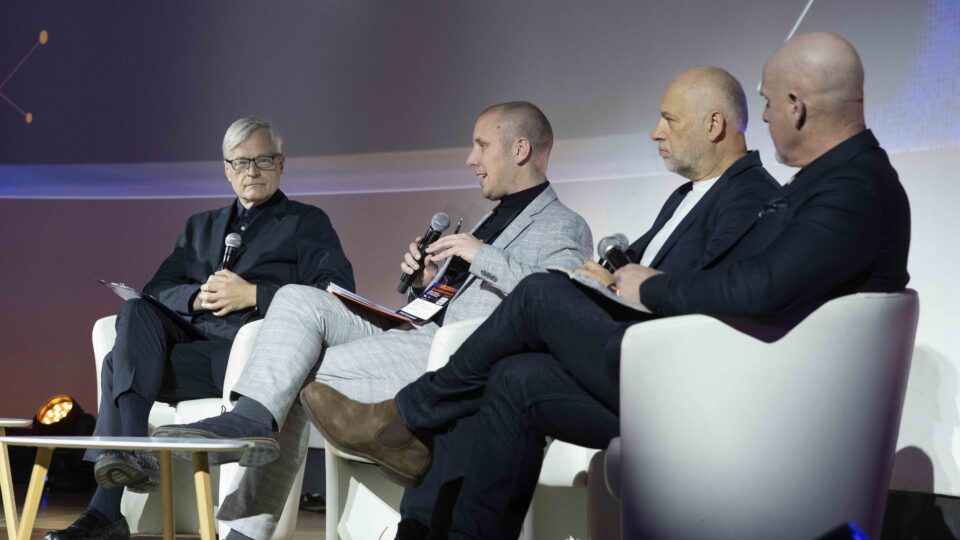
One of the most substantial discussions at the defence conference EstMil.tech, co-organised by Tallinn University of Technology, was a panel in which defence experts from different countries and backgrounds examined the military role and potential of artificial intelligence. The question was simple yet sharp: whether – and to what extent – does AI change decision-making on the battlefield?
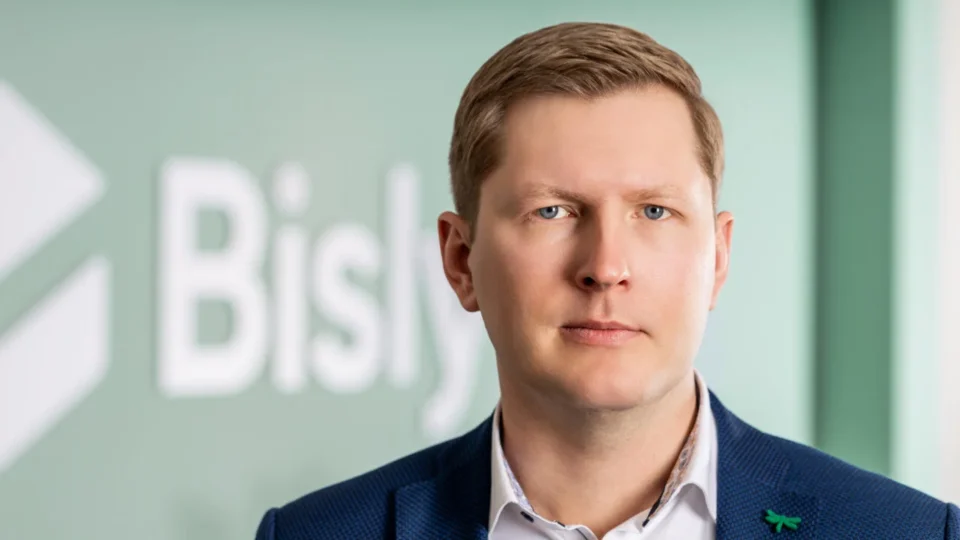
Estonia stands at a turning point where good ideas and a strong digital reputation are no longer enough. A shifting economy, geopolitical tensions, and the age of artificial intelligence force us to ask: are we a country that makes decisions, or one that is decided for? According to Ants Vill, member of the TalTech Council and CEO of Bisly, Estonia’s greatest challenge is not a lack of innovation but a lack of decisiveness – and inevitability is not born of consensus, but of deliberate choices.
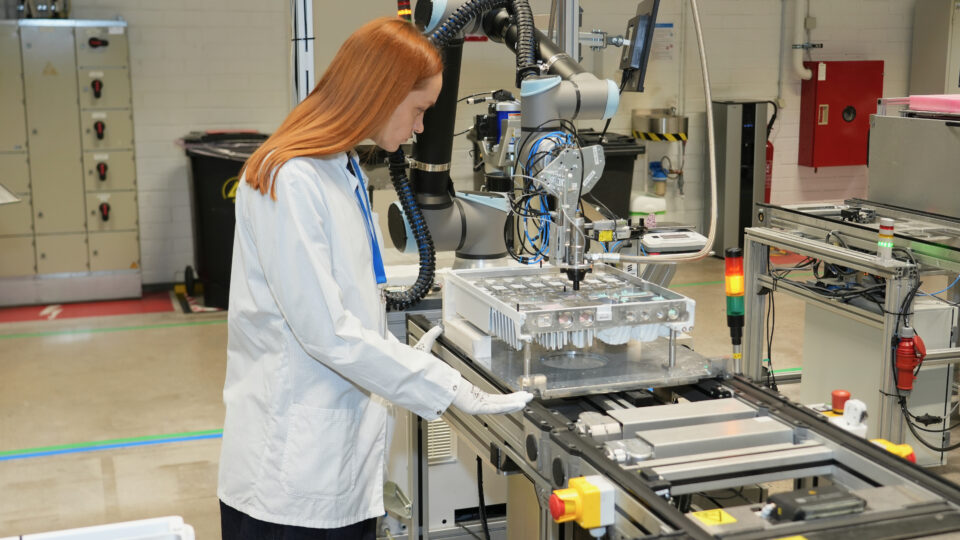
When Anna Dementjeva looks back on her childhood, she doesn’t remember a single moment that pushed her toward engineering – she remembers many. She was the child who constantly asked why, who found comfort in logic, and who treated geometry problems as small creative puzzles waiting to be solved.

The European Commission’s Digital Omnibus promises simplification, but arrives at a moment when Europe’s digital rules are under external attack – raising the uncomfortable question of whether easing regulation is becoming a substitute for defending it.