
Artificial intelligence is often discussed as a story of speed, efficiency and disruption. But behind every promise of smarter systems lies a more human question: who carries the risk when technology reshapes work, governance and society?
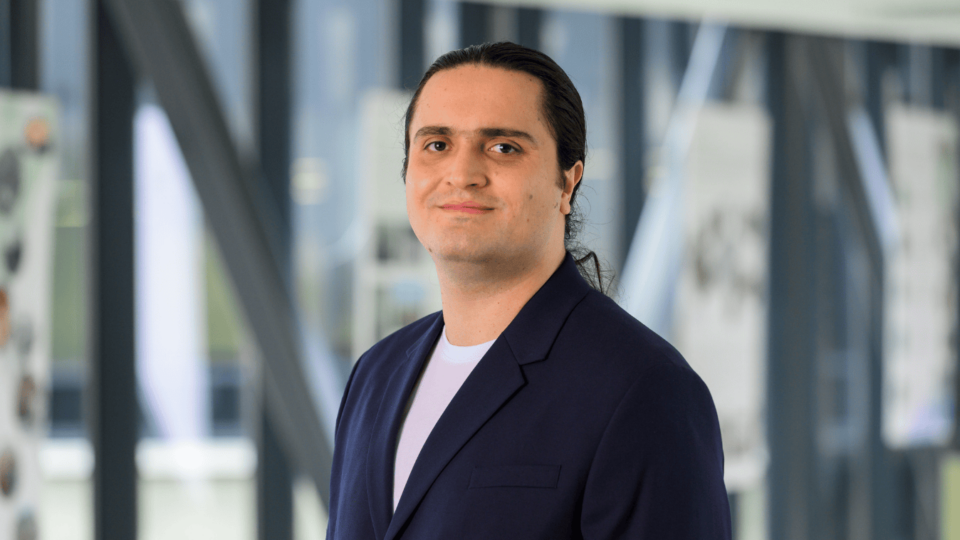
Turkey’s exclusion from the European Union’s SAFE (Security Action for Europe) defence funding programme – due to the absence of a formal security agreement with Brussels – has prompted its leading defence companies to adopt a pragmatic “local bridge” strategy.
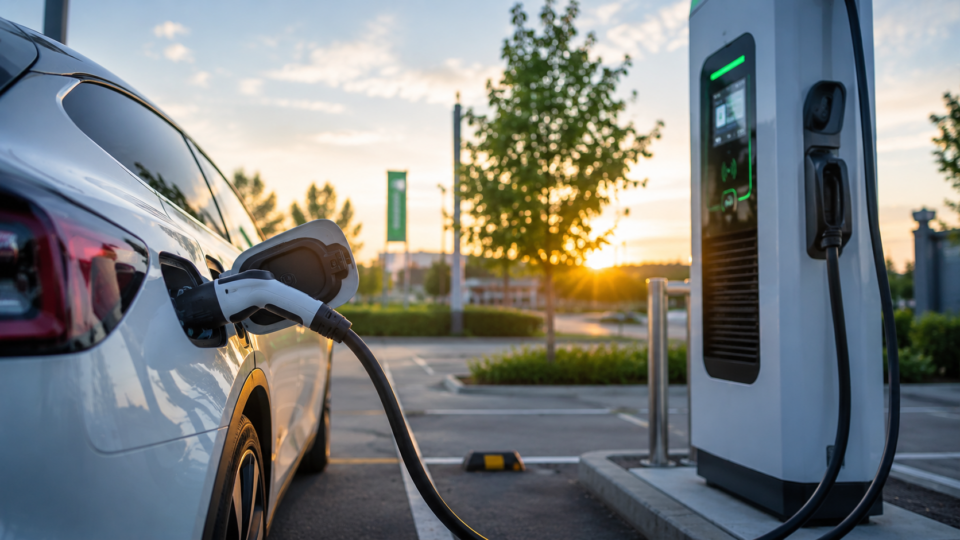
DCR Technologies, a company spun out of TalTech, is developing technology that helps prepare today’s electrical devices for the arrival of direct-current networks. The company aims to reduce energy losses and prevent costly retrofits in the future.
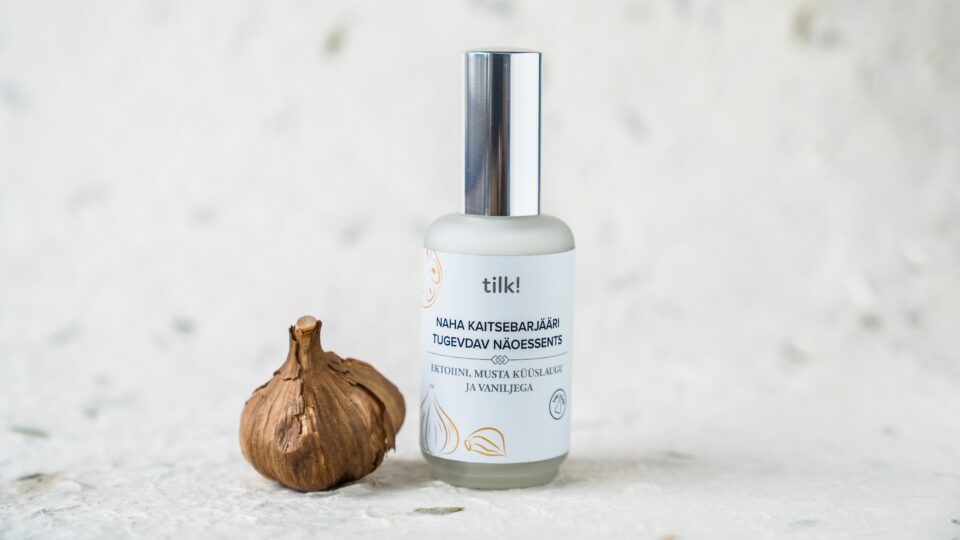
Tallinn University of Technology-supported Estonian natural cosmetics brand tilk! is patenting a method for producing a black garlic-based extract that originated nearly five years ago through collaboration with TalTech researchers. To protect the innovation developed in Estonia, the company has registered a utility model and also submitted an international patent application.
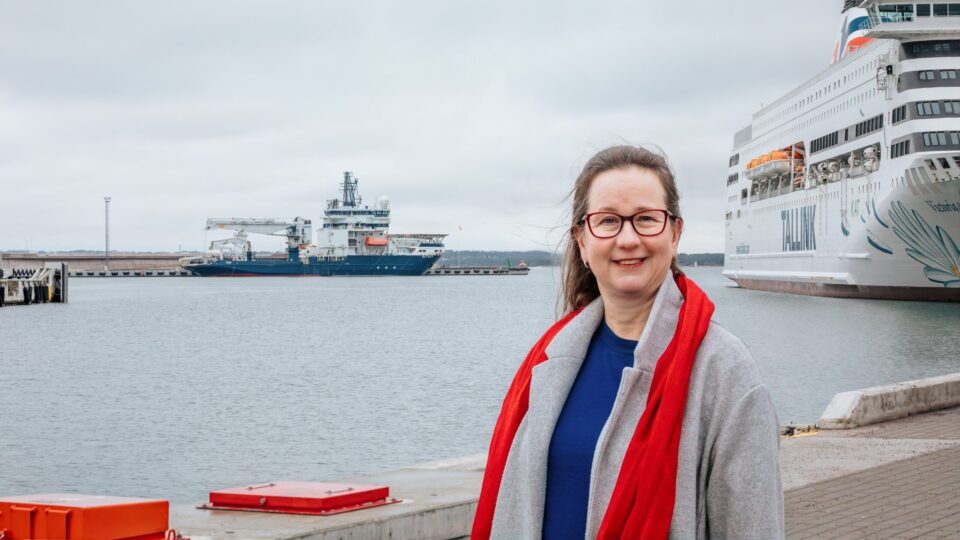
Whoever controls the world’s maritime transport flows controls the world. This phrase has, over the centuries, guided everyone from Christopher Columbus and the East India Companies of the seventeenth–nineteenth centuries to US President Donald Trump.

Electrical engineering expert and beekeeper Aleksander Kilk writes that bees play a far greater role than merely producing honey: they preserve biodiversity, support food security and offer people an example of intelligent cooperation. In his view, we ourselves could learn a good deal from a bee colony: how to act collectively, purposefully and in harmony with nature.
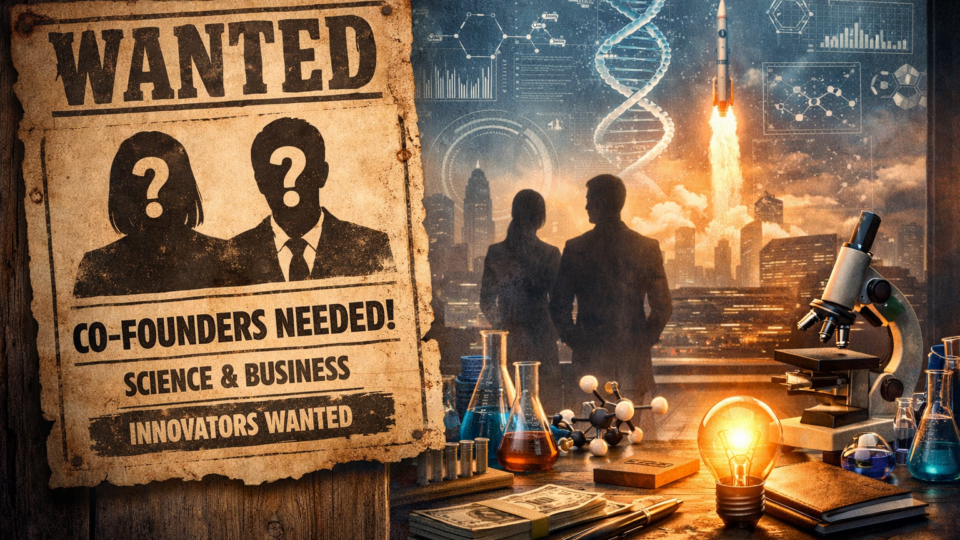
Many scientific ideas stall not because of technology, but because there are no people to bring them to market. Tallinn University of Technology is now seeking to consciously bridge the gap between science and business by looking for external co-founders for more than ten research projects.
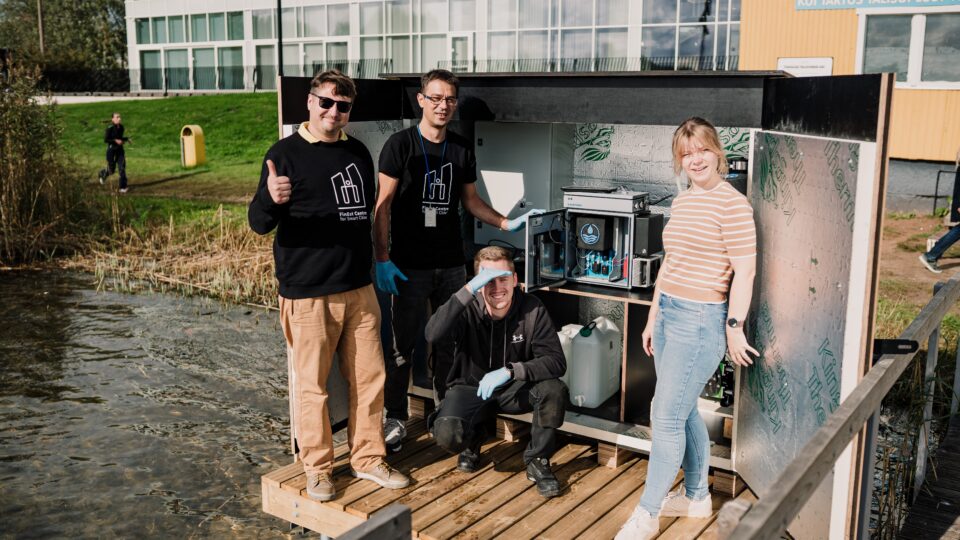
Ideally, bathing water quality monitoring should provide people with a quick and reliable answer to a very simple question: is it safe to go swimming today or not? In practice, however, this information often reaches people too late.
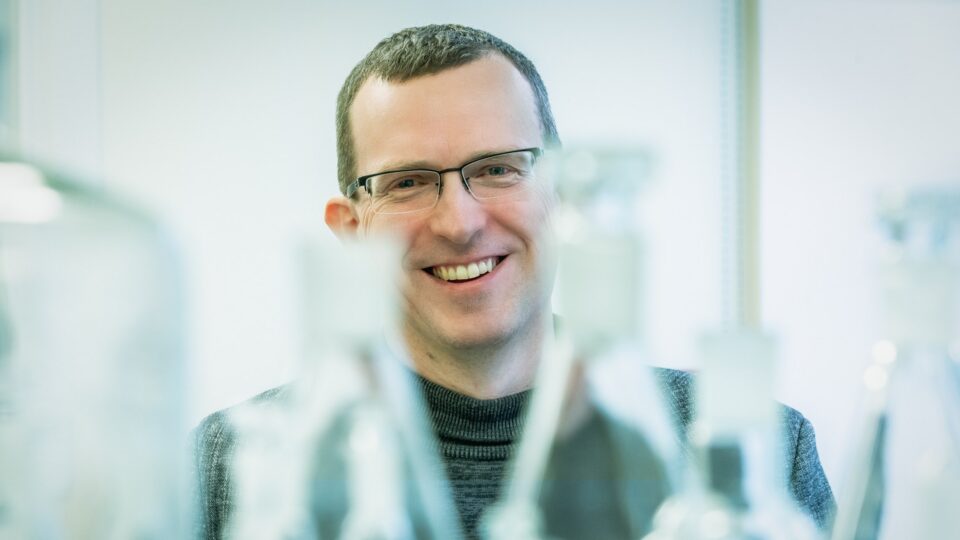
Opposing science and faith has become customary in the West – but what if the two are, in fact, inseparable?
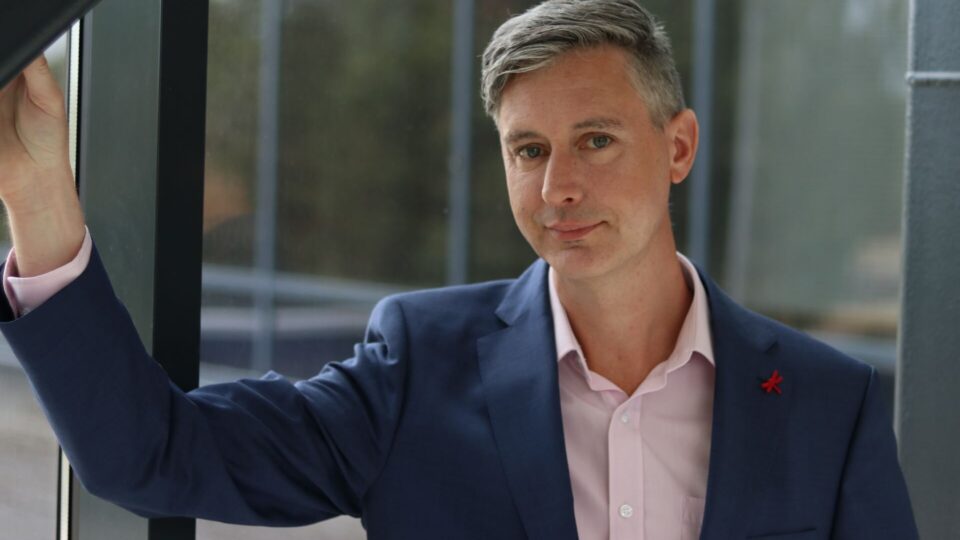
Establishing a single time zone in the European Union would facilitate business operations, reduce complexity in the transport and logistics sector, and promote international relations and cooperation, writes Mike Wahl, Associate Professor at the TalTech Department of Business Administration, in his commentary.