How should the billions needed for water infrastructure be invested?

03.11.2026
How should the billions needed for water infrastructure be invested?. 03.11.2026. Ivar Annus, TalTech Professor of Urban Water Systems and VeeFunk project manager, considers the overall condition of Estonia’s water supply and sewerage systems good. Tap water meets quality requirements, and under normal conditions wastewater systems and treatment plants operate without major disruptions. Maintaining that standard, however, is becoming increasingly expensive. More than €1 billion has been invested in Estonia’s water systems over the past couple of decades, around 70% of it from European Union support measures. Annus says investment needs over the next 12 years exceed €2 billion, while the share of external funding has declined. “The sector needs a solution that can maintain high service quality, reasonable water prices and the necessary level of investment at the same time,” he said. Ageing infrastructure, a shortage of skilled workers, population shifts and stricter service reliability requirements make the situation more complex. Decisions about where to invest and which solutions will deliver the best long-term results therefore require increasingly careful consideration. A good water system is resilient Previous government studies have examined water utilities mainly from an economic perspective: company size, investment capacity and water prices people can afford. VeeFunk adds an engineering perspective. Researchers will assess which solutions suit a particular area’s infrastructure and consumption, and how the choices affect water quality and reliability. Annus explained that the study does not assume small systems must necessarily be connected. It is clear, however, that linking some drinking water networks can increase consumption and reduce the time water spends in pipes. This can help maintain water quality. For wastewater, concentrating investment may be beneficial. If two nearby treatment plants need extensive upgrades at the same time, expanding one plant to receive wastewater from the other area as well may make sense. In some areas, upgrading the local system is the best option. VeeFunk aims to establish clear criteria for assessing the technical feasibility, costs and effects on service quality of the solutions available in each area. One simplified measure might simply be the number of a water utility’s customers. Annus says US studies have shown that the main performance indicators become fairly similar for utilities with more than about 20,000 customers, whereas differences are much greater among smaller ones. In Estonia, it is necessary to assess which criteria and thresholds can help determine when consolidating water infrastructure is sensible and necessary. Alongside price and technical efficiency, water infrastructure must be assessed for continuity of service. Water supply is a vital service and must function as well as possible during a prolonged power cut, a major breakdown or another crisis. “Crisis preparedness is a natural part of wider operational resilience,” Annus stressed. He said water utilities continually prepare for crises and draw up risk assessments and action plans together with local authorities. VeeFunk will use these assessments, among other sources, to evaluate systems’ resilience and vulnerability. This adds another important dimension alongside the cost of investment: how well a system can operate outside normal conditions. “The sector needs a solution that can maintain high service quality, reasonable water prices and the necessary level of investment at the same time.” Smarter investment, more reasonable water prices VeeFunk’s practical aim is to give the state, local authorities and water utilities a stronger basis for investment decisions over the coming decades. Annus says the sector is moving towards greater cooperation and consolidation, and technical analysis will help assess which solutions offer the greatest benefits in different areas. TalTech researchers are developing a methodology that combines an economic perspective with technical, hydraulic and operational resilience analysis. Ultimately, better-organised decision-making must also produce tangible results for people. “For people, changes in the water sector should above all mean two things: high-quality water services throughout Estonia and reasonable water prices that do not depend on the size of the provider,” Annus said. In smaller systems in particular, the cost per customer can rise quickly: when pipes, a pumping station or a treatment plant need reconstruction, the investment is shared among a small number of consumers. Finding solutions that both control costs and maintain high service quality is therefore especially important for small systems. Alongside VeeFunk, TalTech’s Urban Water Systems research group is addressing other questions about the water sector’s future. Together with utilities and local authorities, it is seeking ways to reduce the risk of flooding caused by intense rainfall, maintain the reliability of ageing water systems and make greater use of data and digital solutions in water management. Annus says research topics largely emerge from the sector’s own needs: “Our research and development topics are very closely linked to the challenges identified by water utilities and local authorities.” Data sharing also plays an important role in this cooperation. Utilities and local authorities give researchers access to water system and monitoring data, enabling them to assess how well solutions match everyday conditions. “This allows us to solve practical problems together, rather than merely proposing theoretical approaches,” Annus stressed. The results also feed into teaching, enabling future engineers to work with real water-sector data and problems during their studies. This better prepares them to address the future challenges facing Estonia’s water sector. The VeeFunk study runs until June 2029 and is funded by the Environmental Investment Centre through its water management programme. “For people, changes in the water sector should above all mean two things: high-quality water services throughout Estonia and reasonable water prices that do not depend on the size of the provider.”
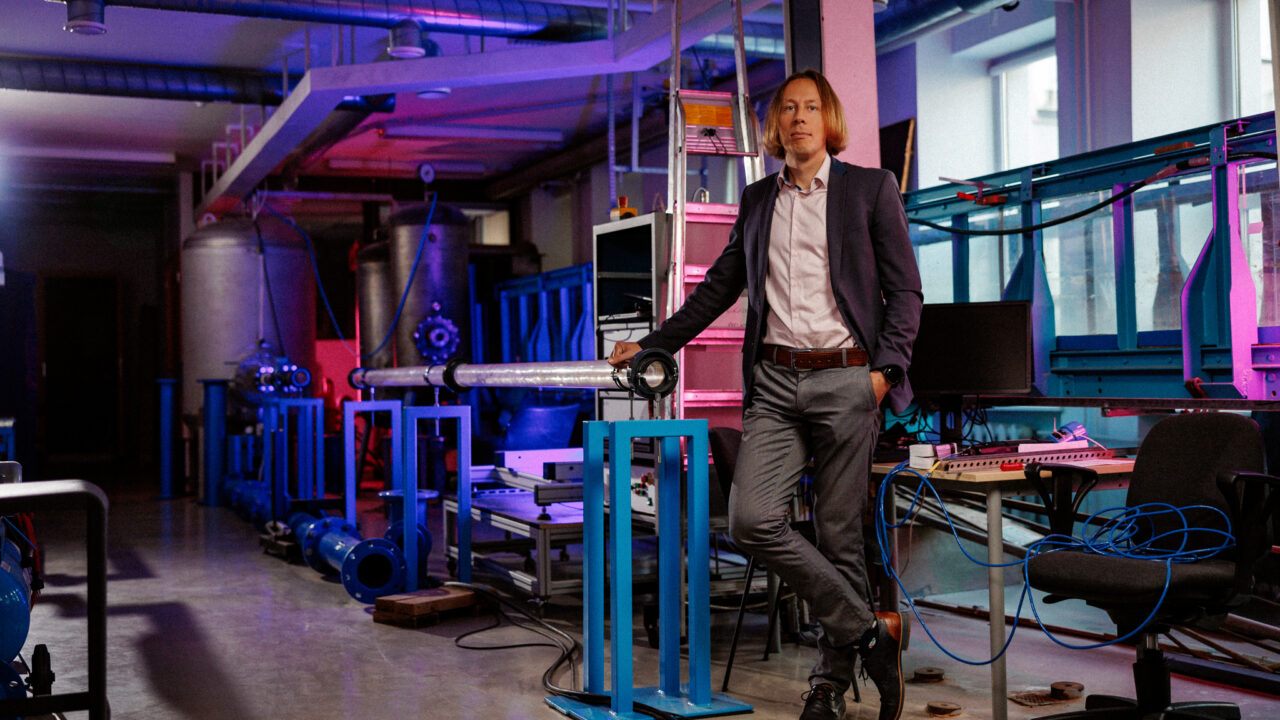
VeeFunk aims to give the state, local authorities and water utilities a stronger basis for investment decisions over the coming decades. Annus says the sector is moving towards greater cooperation and consolidation, and technical analysis will help assess which solutions offer the greatest benefits in different areas. Photo: Rene Lutterus

VeeFunk aims to give the state, local authorities and water utilities a stronger basis for investment decisions over the coming decades. Annus says the sector is moving towards greater cooperation and consolidation, and technical analysis will help assess which solutions offer the greatest benefits in different areas. Photo: Rene Lutterus

Estonia’s tap water is high quality and its sewerage systems generally work reliably, but the infrastructure will need major investment in the coming years. Through the VeeFunk study, TalTech researchers will investigate when smaller water systems should be connected and when local solutions should be retained. These choices will affect future water prices, service reliability and crisis preparedness.

Ivar Annus, TalTech Professor of Urban Water Systems and VeeFunk project manager, considers the overall condition of Estonia’s water supply and sewerage systems good. Tap water meets quality requirements, and under normal conditions wastewater systems and treatment plants operate without major disruptions.

Maintaining that standard, however, is becoming increasingly expensive. More than €1 billion has been invested in Estonia’s water systems over the past couple of decades, around 70% of it from European Union support measures. Annus says investment needs over the next 12 years exceed €2 billion, while the share of external funding has declined. “The sector needs a solution that can maintain high service quality, reasonable water prices and the necessary level of investment at the same time,” he said.

Ageing infrastructure, a shortage of skilled workers, population shifts and stricter service reliability requirements make the situation more complex. Decisions about where to invest and which solutions will deliver the best long-term results therefore require increasingly careful consideration.

A good water system is resilient

Previous government studies have examined water utilities mainly from an economic perspective: company size, investment capacity and water prices people can afford. VeeFunk adds an engineering perspective. Researchers will assess which solutions suit a particular area’s infrastructure and consumption, and how the choices affect water quality and reliability.

Annus explained that the study does not assume small systems must necessarily be connected. It is clear, however, that linking some drinking water networks can increase consumption and reduce the time water spends in pipes. This can help maintain water quality.

For wastewater, concentrating investment may be beneficial. If two nearby treatment plants need extensive upgrades at the same time, expanding one plant to receive wastewater from the other area as well may make sense.

In some areas, upgrading the local system is the best option. VeeFunk aims to establish clear criteria for assessing the technical feasibility, costs and effects on service quality of the solutions available in each area.

One simplified measure might simply be the number of a water utility’s customers. Annus says US studies have shown that the main performance indicators become fairly similar for utilities with more than about 20,000 customers, whereas differences are much greater among smaller ones. In Estonia, it is necessary to assess which criteria and thresholds can help determine when consolidating water infrastructure is sensible and necessary.

Alongside price and technical efficiency, water infrastructure must be assessed for continuity of service. Water supply is a vital service and must function as well as possible during a prolonged power cut, a major breakdown or another crisis.

“Crisis preparedness is a natural part of wider operational resilience,” Annus stressed. He said water utilities continually prepare for crises and draw up risk assessments and action plans together with local authorities.

VeeFunk will use these assessments, among other sources, to evaluate systems’ resilience and vulnerability.

This adds another important dimension alongside the cost of investment: how well a system can operate outside normal conditions.

“The sector needs a solution that can maintain high service quality, reasonable water prices and the necessary level of investment at the same time.”

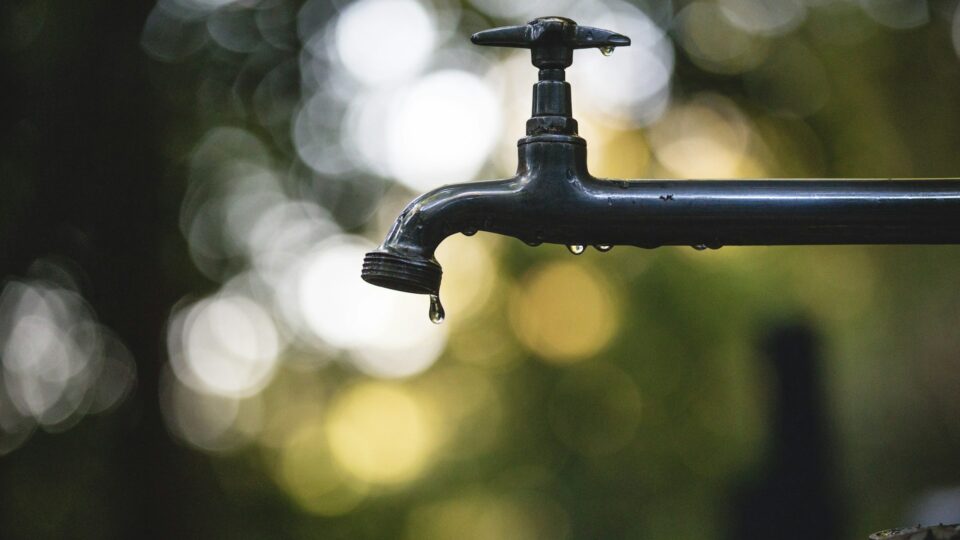
Estonia’s tap water is high quality and its sewerage systems generally work reliably, but the infrastructure needs major investment in the coming years. In the VeeFunk study, TalTech researchers will investigate when smaller water systems should be connected and when local solutions should be retained. Photo: Andres Siimon/Unsplash

Estonia’s tap water is high quality and its sewerage systems generally work reliably, but the infrastructure needs major investment in the coming years. In the VeeFunk study, TalTech researchers will investigate when smaller water systems should be connected and when local solutions should be retained. Photo: Andres Siimon/Unsplash

Smarter investment, more reasonable water prices

VeeFunk’s practical aim is to give the state, local authorities and water utilities a stronger basis for investment decisions over the coming decades. Annus says the sector is moving towards greater cooperation and consolidation, and technical analysis will help assess which solutions offer the greatest benefits in different areas.

TalTech researchers are developing a methodology that combines an economic perspective with technical, hydraulic and operational resilience analysis. Ultimately, better-organised decision-making must also produce tangible results for people.

“For people, changes in the water sector should above all mean two things: high-quality water services throughout Estonia and reasonable water prices that do not depend on the size of the provider,” Annus said.

In smaller systems in particular, the cost per customer can rise quickly: when pipes, a pumping station or a treatment plant need reconstruction, the investment is shared among a small number of consumers. Finding solutions that both control costs and maintain high service quality is therefore especially important for small systems.

Alongside VeeFunk, TalTech’s Urban Water Systems research group is addressing other questions about the water sector’s future. Together with utilities and local authorities, it is seeking ways to reduce the risk of flooding caused by intense rainfall, maintain the reliability of ageing water systems and make greater use of data and digital solutions in water management.

Annus says research topics largely emerge from the sector’s own needs: “Our research and development topics are very closely linked to the challenges identified by water utilities and local authorities.”

Data sharing also plays an important role in this cooperation. Utilities and local authorities give researchers access to water system and monitoring data, enabling them to assess how well solutions match everyday conditions. “This allows us to solve practical problems together, rather than merely proposing theoretical approaches,” Annus stressed.

The results also feed into teaching, enabling future engineers to work with real water-sector data and problems during their studies. This better prepares them to address the future challenges facing Estonia’s water sector.

The VeeFunk study runs until June 2029 and is funded by the Environmental Investment Centre through its water management programme.

“For people, changes in the water sector should above all mean two things: high-quality water services throughout Estonia and reasonable water prices that do not depend on the size of the provider.”