Fusebox provides software for energy companies, enabling them to manage flexibility in assets such as batteries, solar panels, buildings and pumps, and offer that capacity on the electricity market. Alongside this, Õng is developing a platform called Gridea.io, which helps Estonian consumers make better sense of their electricity data and assess, among other things, whether their network tariff, electricity contract, solar panels or home battery make financial sense.
Õng came up with the idea for Fusebox after graduating from TalTech, while working at Eesti Energia. By then, he had tried several businesses and been through personal bankruptcy. “I decided I no longer wanted to be a jack of all trades, but to stick to what I knew and continue in the energy sector,” Õng recalled.
In the energy sector, Õng saw an opportunity to replace some of the generation needed to balance the electricity system with demand management. When electricity is in short supply, consumption can be reduced; when there is a surplus, it can be increased.
Õng says he was initially driven by a kind of “Robin Hood feeling”: why pay only power plants for balancing the system when consumers providing flexibility could earn money from it too? Ten years ago, this approach was still new in Estonia; today, it is a normal part of the electricity system.
Estonian software manages energy assets across countries
In Fusebox’s early days, the company largely managed energy assets and traded their flexibility itself. Now, it is increasingly offering its software to energy companies in other countries.
According to Õng, customers in almost ten countries use Fusebox’s solutions. They include the Finnish energy services company Oomi and Greece’s largest electricity producer and supplier, Public Power Corporation (PPC), which use Fusebox’s software to manage their customers’ batteries, solar panels and flexible consumption across different energy markets.
Over the years, Fusebox has raised around seven million euros from investors. Yet Õng says raising money has not been the hardest part of running a business: “The most difficult things are people and human relationships.”
He compared working at a start-up to a team thoroughly preparing for a 100-metre sprint, only to be told just before the start that they will be doing sumo wrestling instead. “Everything has to be readjusted. Many people cannot cope with that.”
Financially, Fusebox aims to move beyond start-up status in the near future. Õng says the company has cut costs and automated its operations, making extensive use of artificial intelligence in the process. The goal is to achieve consistently positive cash flow.
In its outlook, however, Fusebox should retain its start-up mentality. “The world is undergoing such enormous change that we have to be ready to change ourselves within a day, or even an hour, if necessary,” Õng said.
“I decided I no longer wanted to be a jack of all trades, but to stick to what I knew and continue in the energy sector.”

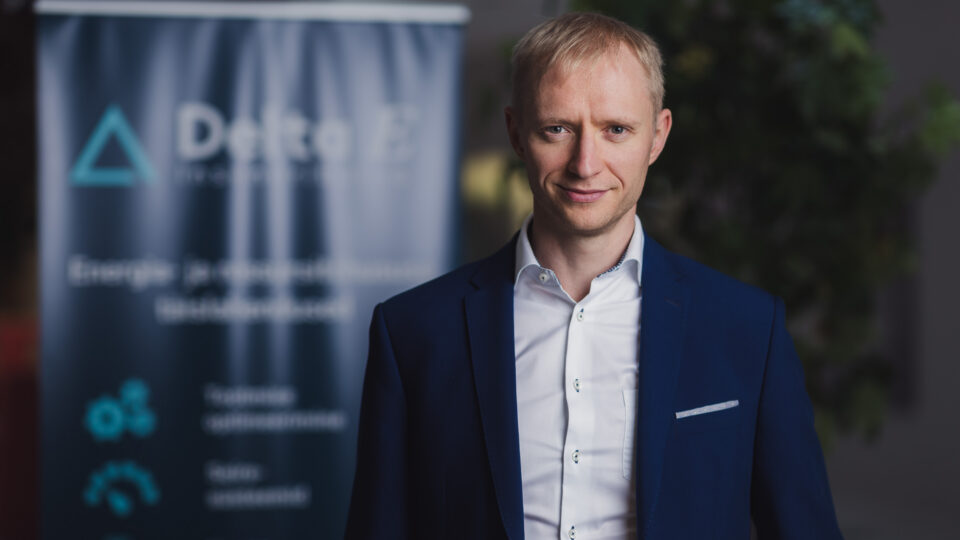
Founded by TalTech alumnus Tarvo Õng, Fusebox provides software that helps energy companies in almost ten countries manage batteries, solar panels and flexible electricity consumption. Photo: private collection
Your own data can help cut your electricity bill
While Fusebox primarily serves energy companies, Õng wants Gridea.io to bring the same data-driven approach much closer to the ordinary Estonian electricity consumer.
Gridea.io’s predecessor was called Tarkvõrk, and its customers included local authorities and water utilities. Previously, customers mainly received reports and recommendations; now, the platform allows them to analyse their consumption data themselves.
Õng believes that consumers who want to reduce their electricity costs should first understand their own consumption and what they are actually paying for on their electricity bill. Once they have a clear picture, they can start monitoring the exchange price.
Gridea.io allows users to compare network service options. Õng says many consumers could save money simply by choosing a more suitable network tariff. “For an individual, it is usually not a huge sum, but it could easily cover a whole year’s worth of sauna beers,” he said.
The platform also allows users to compare their actual consumption profile against different electricity contracts. Rather than deciding solely on the price advertised by an electricity supplier, people can see how much the same contract would actually have cost based on their past consumption. To do this, the platform uses both consumption data and energy market prices.
The same principle applies to increasingly popular home batteries and solar panels.
Õng says Fusebox was often asked what size of battery or solar installation would be worth installing, and how quickly the investment would pay for itself. Fusebox did not carry out such calculations, and one reason for developing Gridea was to let people assess energy decisions using their own real data.
The platform takes into account the household’s consumption profile, the capabilities of its grid connection, market prices and how much of the electricity generated can be used on site.
Õng believes it is important to use the electricity you generate yourself, as this avoids not only the cost of buying that electricity but also some grid-related charges. The platform’s data allows users to compare solar installations and batteries of different sizes and estimate their potential payback periods.
However, not everything can be measured by payback time alone. Õng gave an example: “On paper, a battery might never pay for itself, but you may still need one if you live somewhere with frequent power cuts – without it, the food in your freezer could thaw, for example.” In that case, buying a battery also means buying security of supply. This is why, Õng says, there is no single solar panel or battery size, or break-even point, that suits everyone.
“On paper, a battery might never pay for itself, but you may still need one if you live somewhere with frequent power cuts – without it, the food in your freezer could thaw, for example.”
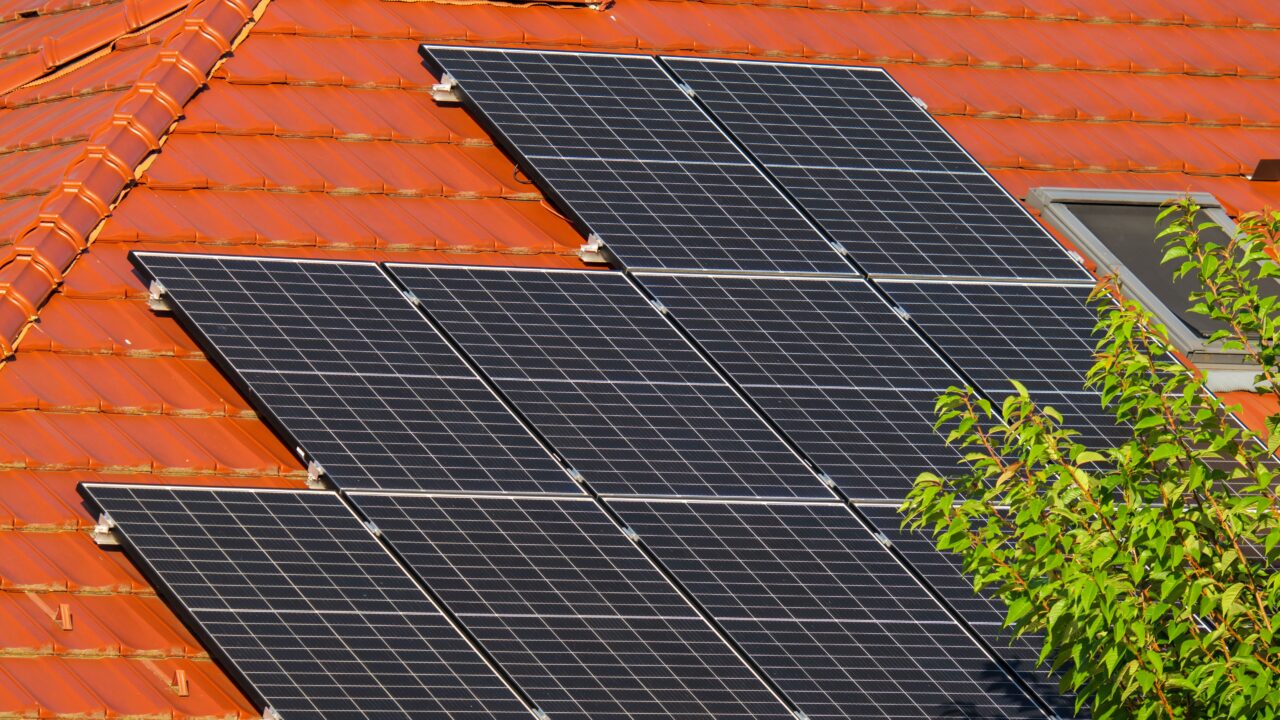
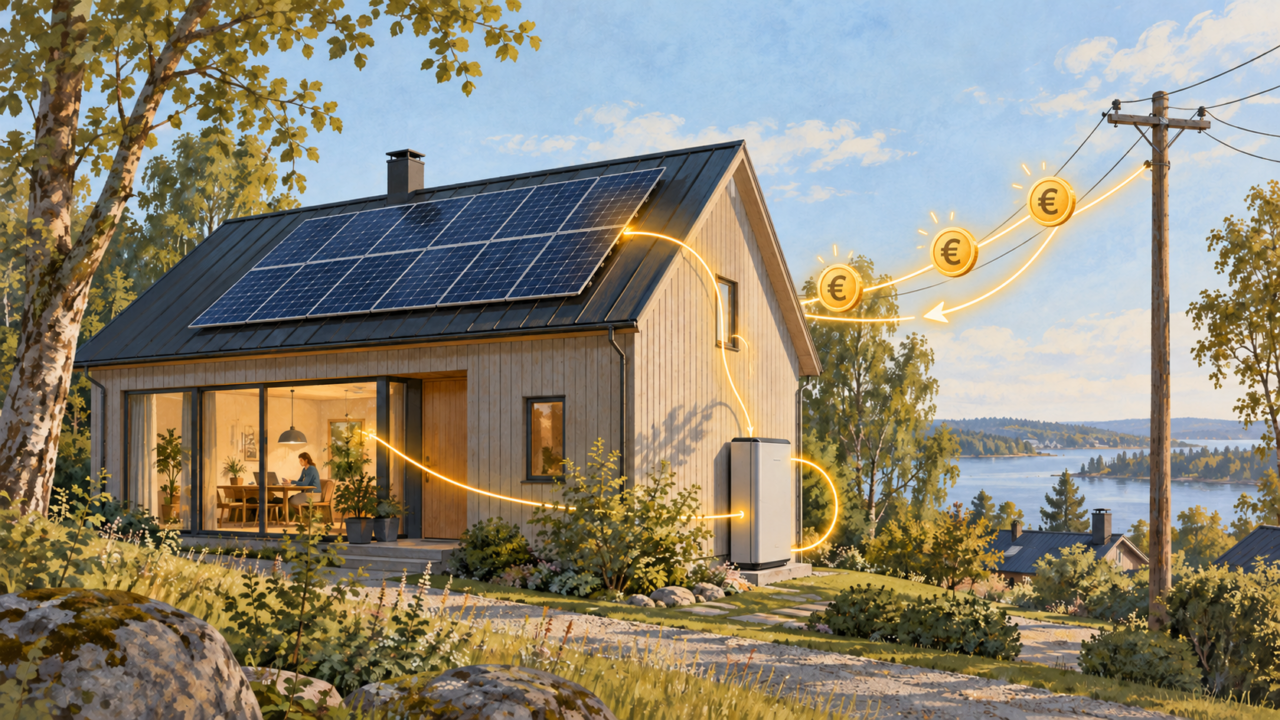
The return on solar panels depends, among other things, on how much of the electricity generated the household uses itself. Gridea.io helps assess this using the household’s own consumption data. Photo: Pexels
Flexibility could earn consumers money too
Looking back at the development of Estonia’s electricity system, Õng sees the changes of the past decade as broadly positive. He highlights both Elering’s work and the rapid growth in renewable energy and batteries.
Õng considers security of supply and cybersecurity in the energy sector to be among the most important issues of the next five years. The more smart meters, remotely controlled devices, batteries and software the electricity system contains, the greater the risk of someone seeking to exploit a vulnerability maliciously. “Bad things here can have such damaging consequences that they simply must not be allowed to happen,” Õng said.
In his view, cybersecurity is already an essential part of energy companies’ day-to-day work, but its importance will grow even further in the coming years.
Discussing Fusebox’s future, Õng stresses that the company cannot simply build a single tool and hope it will suffice for years to come. “Technology is advancing so quickly that we have to keep our ears to the ground and be ready to adapt to all kinds of changes. We have to stay at the forefront of global innovation.”
“Technology is advancing so quickly that we have to keep our ears to the ground and be ready to adapt to all kinds of changes. We have to stay at the forefront of global innovation.”