Elpi Petraki: hiring women is not enough if they never reach the decision-making table

29.09.2026
Elpi Petraki: hiring women is not enough if they never reach the decision-making table. 29.09.2026. The importance of maritime transport becomes clearest in difficult times. Much of what we need in everyday life reaches us by sea — even in landlocked countries. Goods must reach them somehow, and that journey very often begins at sea. Maritime activity is inherently international. I come from Greece, on the Mediterranean; here in Estonia, we are on the Baltic. Yet we all operate within the same global system. Decisions, technological developments and knowledge in one country sooner or later affect others. That is why openness and cooperation are so important. WISTA International is a global network of more than 6,000 members in over sixty countries. Our members work across maritime affairs, shipping, trade and logistics. WISTA aims to help women recognise their professional potential and create opportunities for others to recognise it too. More important than simply entering the sector are women’s opportunities to develop and participate in decision-making once there. Look at where women actually work in an organisation I often meet representatives of large companies and organisations who proudly tell me they employ many women. Of course, having more women is positive. But I usually ask what positions they hold. Do they lead departments and companies? Do they participate in decisions? Can they advance, or do they mainly hold support roles, assisting managers whose positions they themselves have no opportunity to apply for? The number of women alone tells us nothing about their influence. Maritime activity has historically been strongly male-dominated. Most people working on ships were men, shaping the image of captains, engineers and other maritime professionals over decades. The same attitudes later carried over into shore-based businesses. The past need not determine the sector’s future, however. In 2018, WISTA International gained consultative status at the International Maritime Organization (IMO), enabling us to participate in discussions shaping the entire sector’s future. Over time, cooperation with many other international organisations followed, and our interests now extend beyond gender equality alone. Representation matters wherever decisions are made. One familiar face in the room can make a difference I know from experience what it means to enter a field as a young woman when almost everyone else is a man. I have attended conferences and meetings with hundreds of men and barely a dozen women. Knowing another woman in the room may seem a trivial detail. In fact, it can make an enormous difference. Finding someone to sit beside who shares your experience builds confidence. Someone can tell you it is all right, relax, you can do this. Today, I feel comfortable standing before a large audience. I was not always like that, but seeing other women do it gave me the courage to speak up too. That is why networks and role models have a value that is difficult to measure. This experience is not limited to women. Anyone can find themselves feeling like an outsider or different from others. An ally or role model can help overcome that feeling. Change in maritime activity also comes through cooperation. Men and women work in the same sector, and its future depends on how well we use one another’s knowledge and experience. More important than simply entering the sector are women’s opportunities to develop and participate in decision-making once there. Knowledge loses its value if it is not passed on Discussing the maritime sector’s future inevitably brings us to education. Technology develops rapidly, changing the skills maritime businesses need. Education cannot therefore end with a diploma. Learning must continue throughout working life. WISTA offers professional training, scholarships and leadership programmes. Together with the IMO and the World Maritime University, we have developed a leadership programme for people seeking the skills today’s maritime leaders need. For me, what happens to that knowledge after training is equally important. I have always said: do not keep knowledge to yourself. Pass it on. Teach others. If we keep everything we learn to ourselves, sharing it with nobody, one day it disappears with us. This has a very practical meaning for the next generation of maritime professionals. Universities provide knowledge, companies provide experience, and experienced specialists and leaders can help younger people understand how to apply that knowledge in real work. For this to happen, the different parties must communicate. An international network offers another advantage. Operating in dozens of countries, WISTA sees that problems are often similar around the world, but their causes can differ. A solution that works in Northern Europe may not suit Africa, Asia or Latin America in the same form. Sharing knowledge therefore also means listening and adapting. The maritime sector needs every capable person The sector is changing. New technologies, environmental goals and international tensions constantly raise new questions for businesses and governments. Answering them requires good engineers, researchers, managers and people from many other professions. We cannot afford to exclude capable people simply because they do not fit historical images of a maritime worker or leader. Opportunities to progress must depend on people’s abilities and aspirations. This does not mean every woman should want to become a leader. It means a woman who wants to lead and has the ability must have the opportunity. The same principle applies to visibility. Conference organisers still tell us that women speakers cannot be found on certain technical topics. We have therefore established the Maritime Speakers Bureau with the IMO to help identify women experts across a wide range of maritime subjects. The experts exist. They must be found, given opportunities and have their knowledge made visible. The next generation of maritime professionals is growing up now. The question is what kind of sector we are creating for them. If we want to attract good people, they must see opportunities to learn, develop, express their views and lead if they wish. Ultimately, everyone benefits. The sector is changing. New technologies, environmental goals and international tensions constantly raise new questions for businesses and governments. Answering them requires good engineers, researchers, managers and people from many other professions. Elpi Petraki is President of the Women’s International Shipping & Trading Association (WISTA International). This opinion piece is based on her presentation at WISTA Estonia’s annual seminar at TalTech Kuressaare College on 23 September 2026.
President of WISTA International
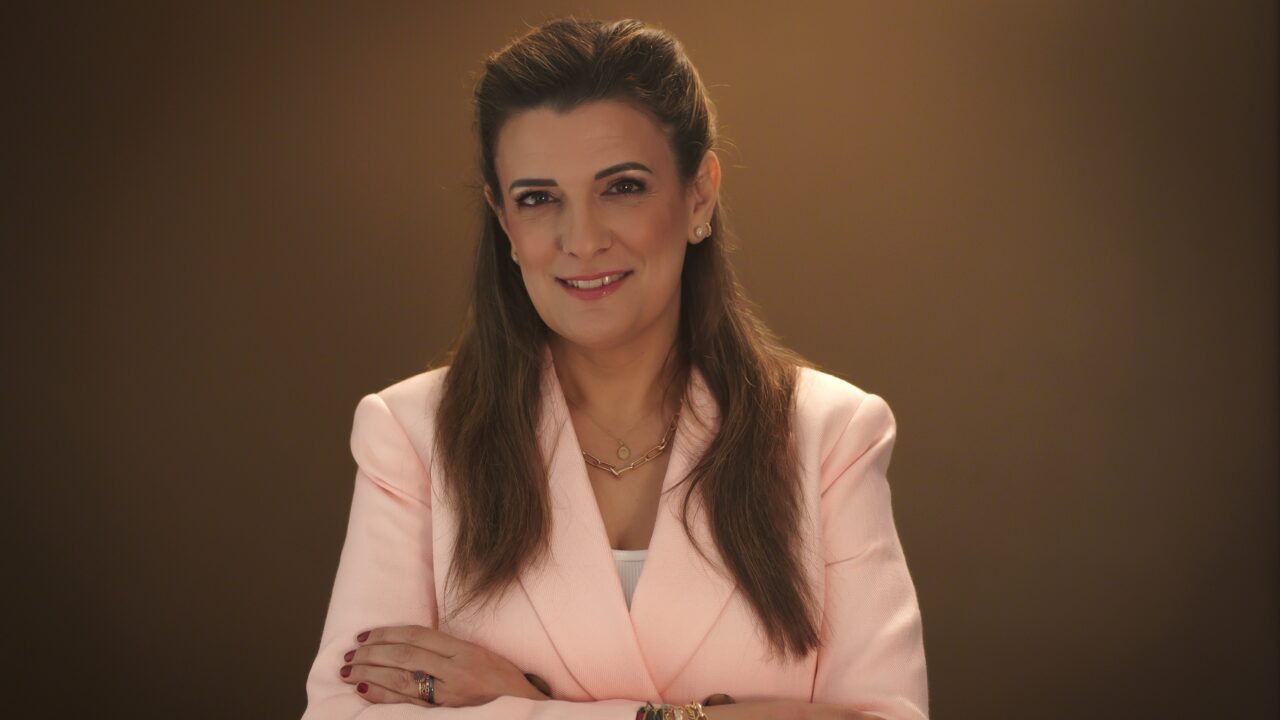
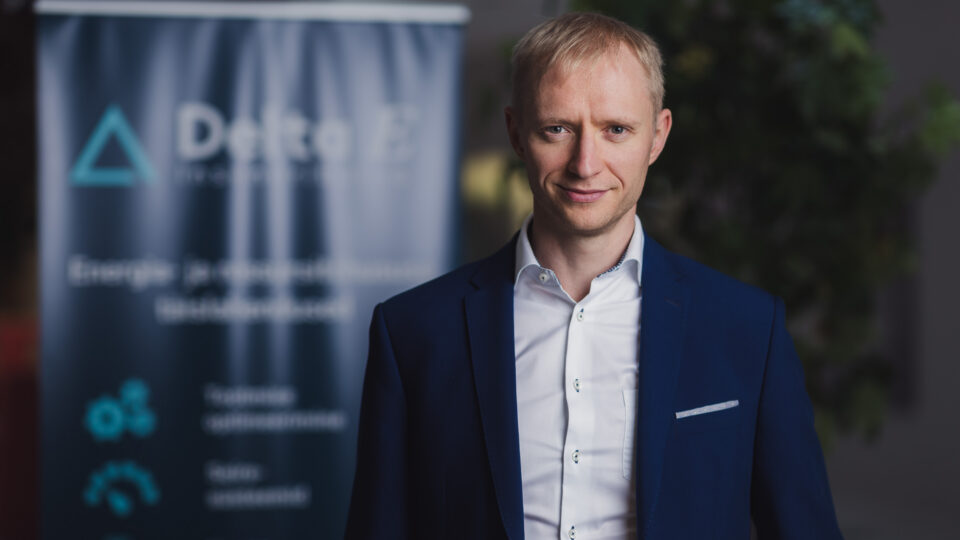
Elpi Petraki, President of WISTA International, the global network of women professionals in maritime, shipping, trade and logistics. Photo: private collection

Elpi Petraki, President of WISTA International, the global network of women professionals in maritime, shipping, trade and logistics. Photo: private collection

This is an opinion article
The thoughts expressed in the article are those of the author of the article and may not coincide with the views of Trialoog.

The maritime sector needs new employees and leaders, and attracting more women is increasingly discussed. Elpi Petraki, President of WISTA International, the global network of women professionals in maritime, shipping, trade and logistics, believes real change is measured by the roles women attain and their opportunities to influence their organisations. If women remain mainly in support roles, much of their potential goes unused.

The importance of maritime transport becomes clearest in difficult times. Much of what we need in everyday life reaches us by sea — even in landlocked countries. Goods must reach them somehow, and that journey very often begins at sea.

Maritime activity is inherently international. I come from Greece, on the Mediterranean; here in Estonia, we are on the Baltic. Yet we all operate within the same global system. Decisions, technological developments and knowledge in one country sooner or later affect others.

That is why openness and cooperation are so important. WISTA International is a global network of more than 6,000 members in over sixty countries. Our members work across maritime affairs, shipping, trade and logistics.

WISTA aims to help women recognise their professional potential and create opportunities for others to recognise it too. More important than simply entering the sector are women’s opportunities to develop and participate in decision-making once there.
Look at where women actually work in an organisation

I often meet representatives of large companies and organisations who proudly tell me they employ many women. Of course, having more women is positive.

But I usually ask what positions they hold. Do they lead departments and companies? Do they participate in decisions? Can they advance, or do they mainly hold support roles, assisting managers whose positions they themselves have no opportunity to apply for?

The number of women alone tells us nothing about their influence.

Maritime activity has historically been strongly male-dominated. Most people working on ships were men, shaping the image of captains, engineers and other maritime professionals over decades. The same attitudes later carried over into shore-based businesses.

The past need not determine the sector’s future, however.

In 2018, WISTA International gained consultative status at the International Maritime Organization (IMO), enabling us to participate in discussions shaping the entire sector’s future. Over time, cooperation with many other international organisations followed, and our interests now extend beyond gender equality alone.

Representation matters wherever decisions are made.

One familiar face in the room can make a difference

I know from experience what it means to enter a field as a young woman when almost everyone else is a man.

I have attended conferences and meetings with hundreds of men and barely a dozen women. Knowing another woman in the room may seem a trivial detail. In fact, it can make an enormous difference.

Finding someone to sit beside who shares your experience builds confidence. Someone can tell you it is all right, relax, you can do this.

Today, I feel comfortable standing before a large audience. I was not always like that, but seeing other women do it gave me the courage to speak up too.

That is why networks and role models have a value that is difficult to measure.

This experience is not limited to women. Anyone can find themselves feeling like an outsider or different from others. An ally or role model can help overcome that feeling.

Change in maritime activity also comes through cooperation. Men and women work in the same sector, and its future depends on how well we use one another’s knowledge and experience.

More important than simply entering the sector are women’s opportunities to develop and participate in decision-making once there.

Elpi Petraki delivered an inspiring presentation at WISTA Estonia’s annual seminar at TalTech Kuressaare College on 23 September 2026. Photo: Inga Zaitseva Pärnaste
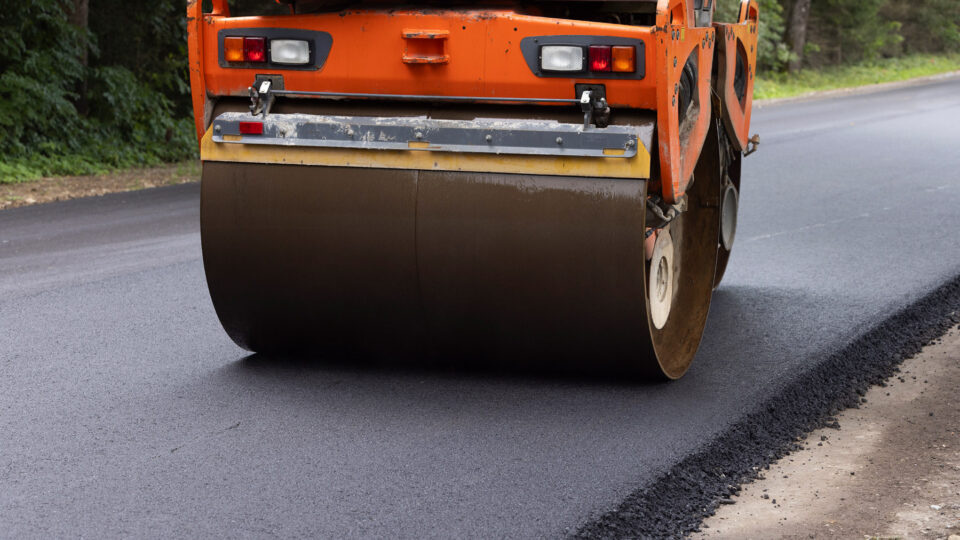
Elpi Petraki delivered an inspiring presentation at WISTA Estonia’s annual seminar at TalTech Kuressaare College on 23 September 2026. Photo: Inga Zaitseva Pärnaste
Knowledge loses its value if it is not passed on

Discussing the maritime sector’s future inevitably brings us to education.

Technology develops rapidly, changing the skills maritime businesses need. Education cannot therefore end with a diploma. Learning must continue throughout working life.

WISTA offers professional training, scholarships and leadership programmes. Together with the IMO and the World Maritime University, we have developed a leadership programme for people seeking the skills today’s maritime leaders need.

For me, what happens to that knowledge after training is equally important.

I have always said: do not keep knowledge to yourself. Pass it on. Teach others. If we keep everything we learn to ourselves, sharing it with nobody, one day it disappears with us.

This has a very practical meaning for the next generation of maritime professionals. Universities provide knowledge, companies provide experience, and experienced specialists and leaders can help younger people understand how to apply that knowledge in real work.

For this to happen, the different parties must communicate.

An international network offers another advantage. Operating in dozens of countries, WISTA sees that problems are often similar around the world, but their causes can differ. A solution that works in Northern Europe may not suit Africa, Asia or Latin America in the same form.

Sharing knowledge therefore also means listening and adapting.

The maritime sector needs every capable person

The sector is changing. New technologies, environmental goals and international tensions constantly raise new questions for businesses and governments. Answering them requires good engineers, researchers, managers and people from many other professions.

We cannot afford to exclude capable people simply because they do not fit historical images of a maritime worker or leader.

Opportunities to progress must depend on people’s abilities and aspirations.

This does not mean every woman should want to become a leader. It means a woman who wants to lead and has the ability must have the opportunity.

The same principle applies to visibility. Conference organisers still tell us that women speakers cannot be found on certain technical topics. We have therefore established the Maritime Speakers Bureau with the IMO to help identify women experts across a wide range of maritime subjects.

The experts exist. They must be found, given opportunities and have their knowledge made visible.

The next generation of maritime professionals is growing up now. The question is what kind of sector we are creating for them.

If we want to attract good people, they must see opportunities to learn, develop, express their views and lead if they wish.

Ultimately, everyone benefits.

The sector is changing. New technologies, environmental goals and international tensions constantly raise new questions for businesses and governments. Answering them requires good engineers, researchers, managers and people from many other professions.

Elpi Petraki is President of the Women’s International Shipping & Trading Association (WISTA International). This opinion piece is based on her presentation at WISTA Estonia’s annual seminar at TalTech Kuressaare College on 23 September 2026.