
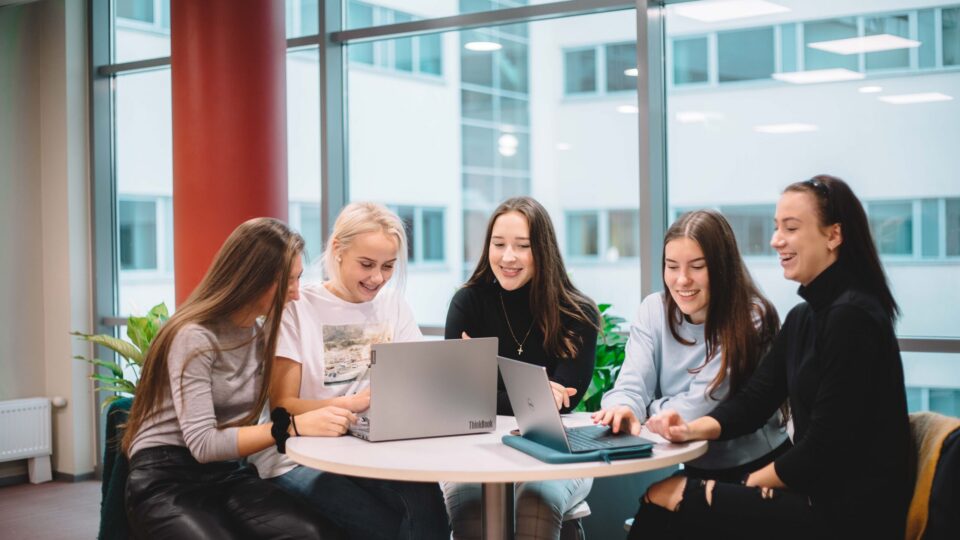
Estonia’s maritime sector will increasingly need people with IT, data, legal and other specialist skills alongside seafarers. Yet it is still widely seen as a traditional industry centred on ships and sailing. Participants at WISTA Estonia’s annual seminar concluded that universities, businesses, the state and local authorities must work more closely together to bridge this gap.
maritime sector
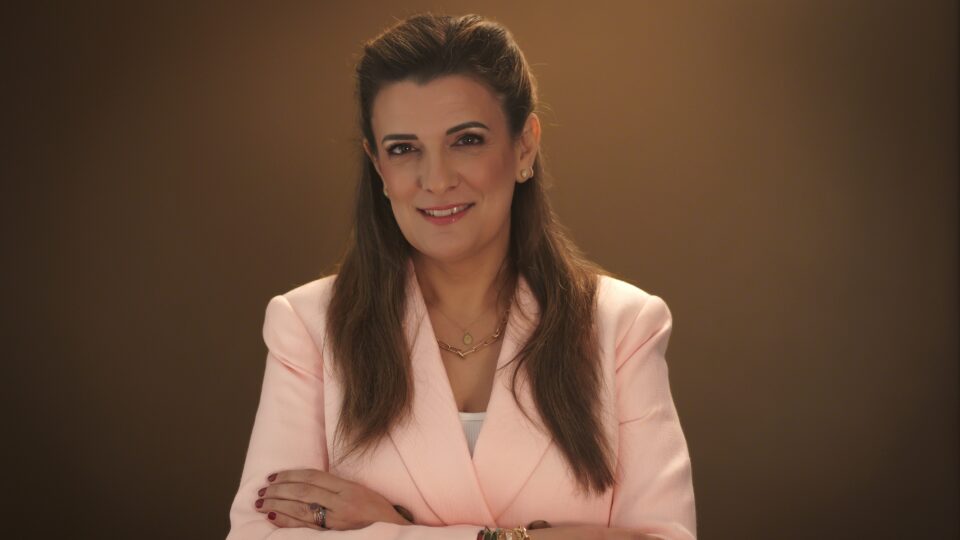
The maritime sector needs new employees and leaders, and attracting more women is increasingly discussed. Elpi Petraki, President of WISTA International, the global network of women professionals in maritime, shipping, trade and logistics, believes real change is measured by the roles women attain and their opportunities to influence their organisations. If women remain mainly in support roles, much of their potential goes unused.
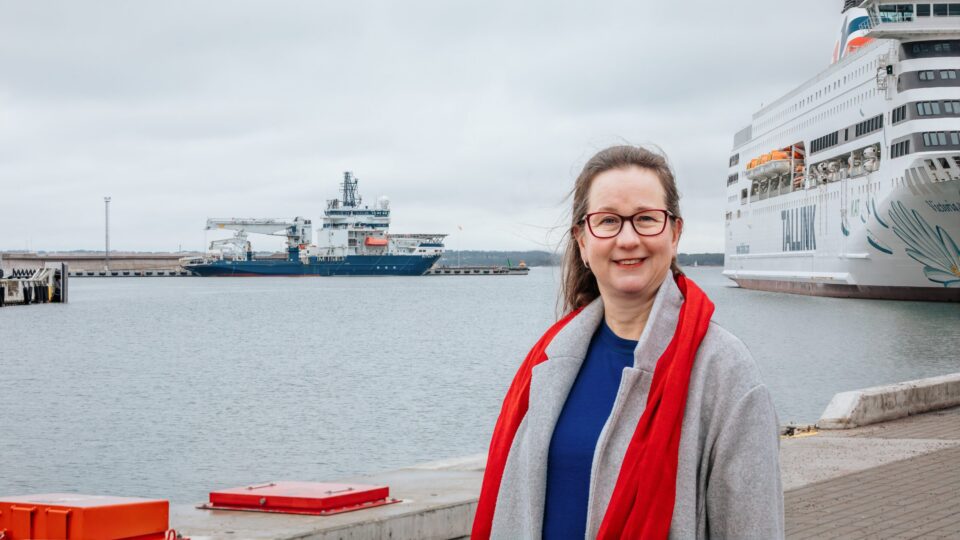
Whoever controls the world’s maritime transport flows controls the world. This phrase has, over the centuries, guided everyone from Christopher Columbus and the East India Companies of the seventeenth–nineteenth centuries to US President Donald Trump.
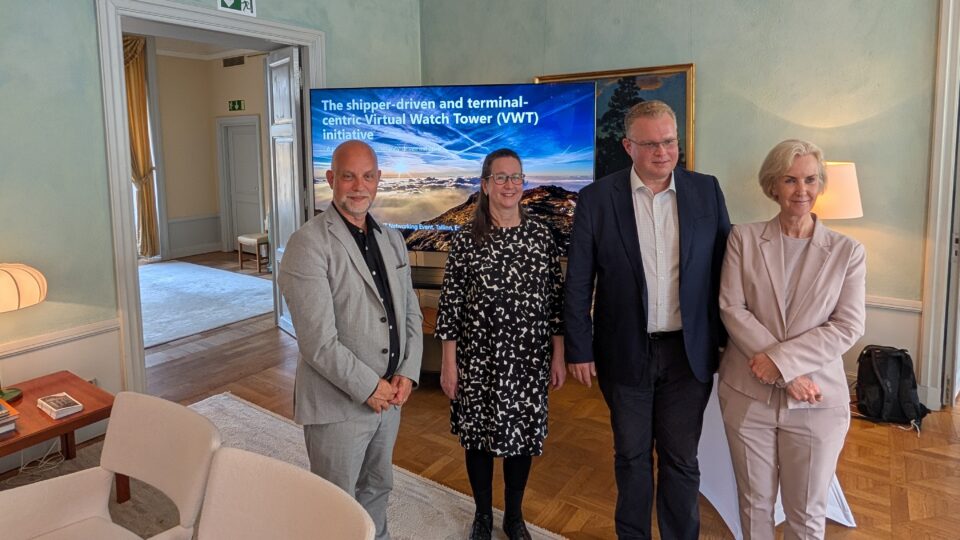
Estonian Maritime Academy participates in cross-border initiative to enhance transparency, resilience, and sustainability in global transport chains.
Ukraine’s wartime shipping proves that, even under attack, trade can continue – with ingenuity, international cooperation and flexible infrastructure.
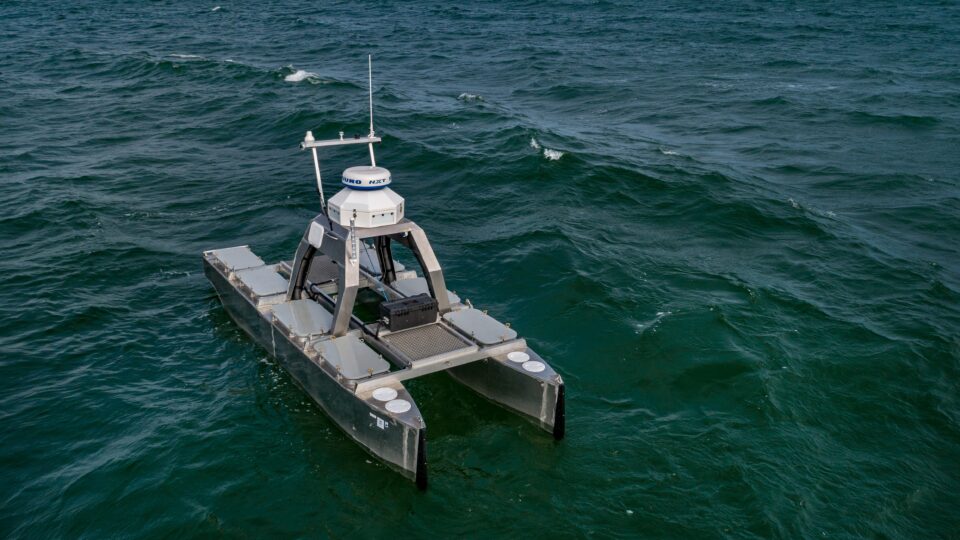
The Estonian deep-tech company MindChip, the first official spin-off from TalTech, is developing an AI-powered autonomous captain – an intelligent system capable of independently navigating a vessel, assessing situations, and responding to the surrounding environment.
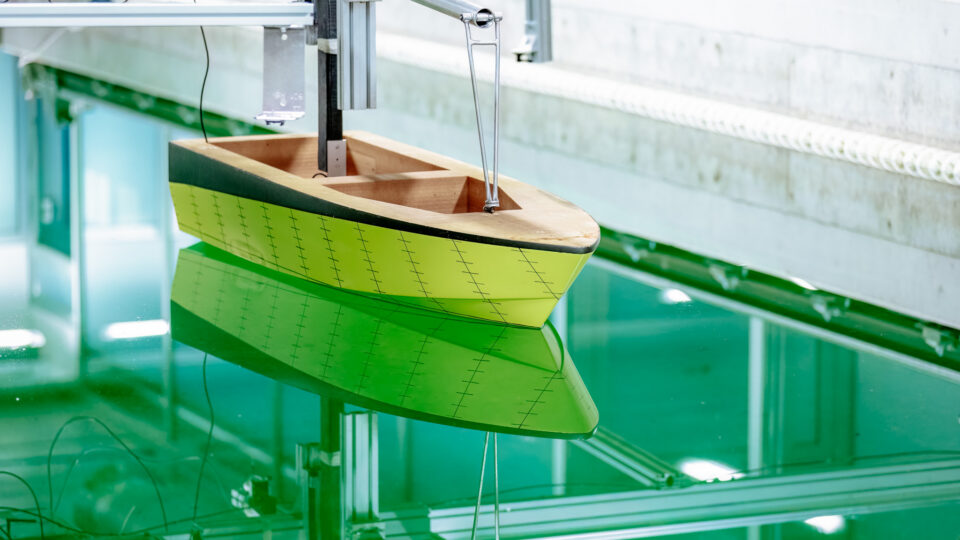
The hydrodynamics laboratory at Kuressaare College Marine Technology competence centre houses the only specialised model testing basin in the Baltic region, with impressive dimensions: 60 metres long, five metres wide, and three metres deep.