
Students from TalTech’s Tartu College developed a machine vision-based quality control system capable of automatically detecting knitting defects on a production line. What began as a corridor conversation ended with a real industrial solution.
scientific collaboration
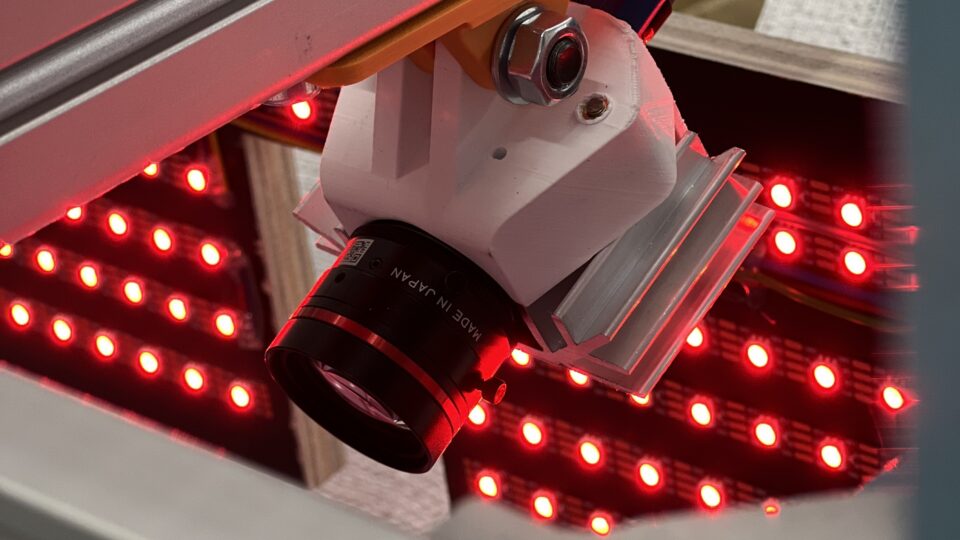

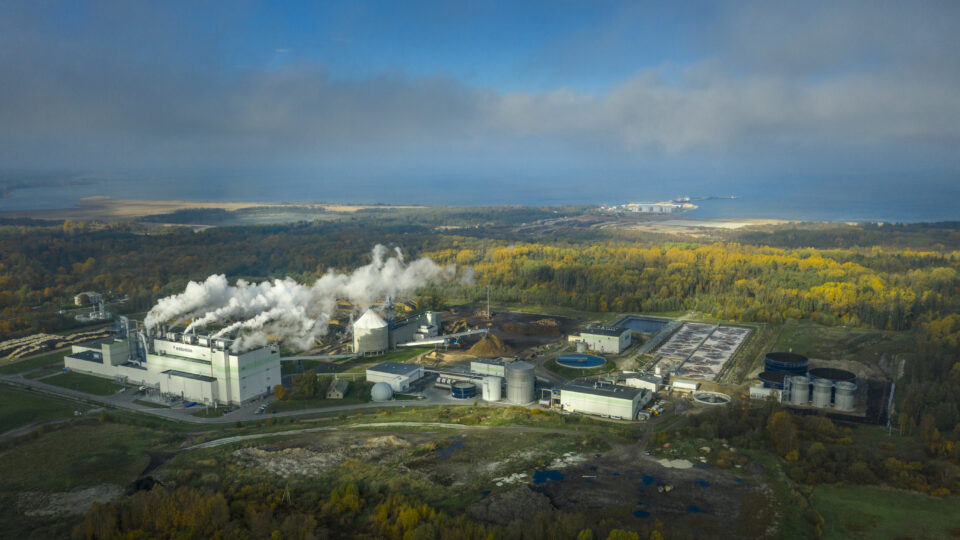
The Engineering Academy´s opportunities for project-based and problem-based learning inspired AS Estonian Cell to seek solutions to challenges together with students. How did we get there, and what did this experience bring?
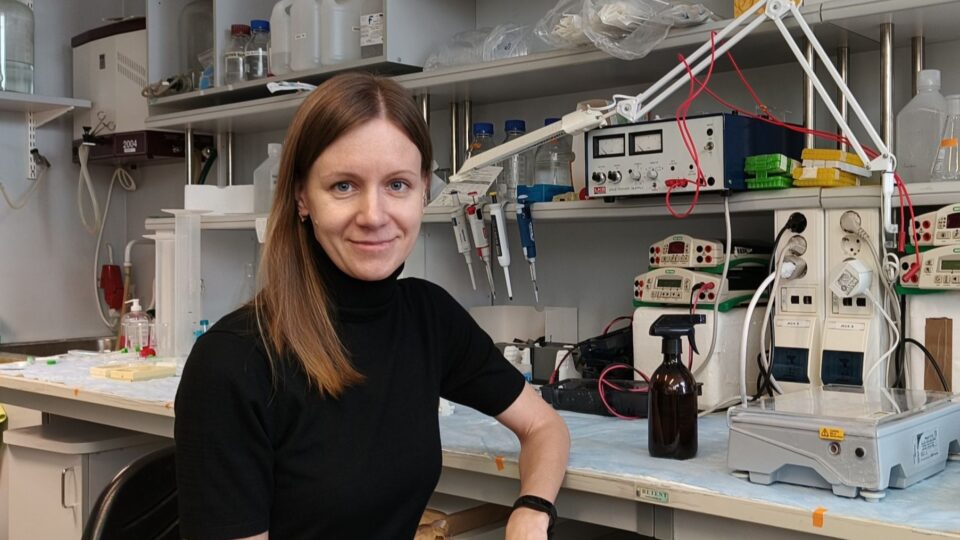
We live in an era where people are living longer, but with this comes an increase in the prevalence of neurodegenerative diseases – such as Alzheimer’s and Parkinson’s. Current treatments only provide temporary relief and do not reach the root cause of the disease.
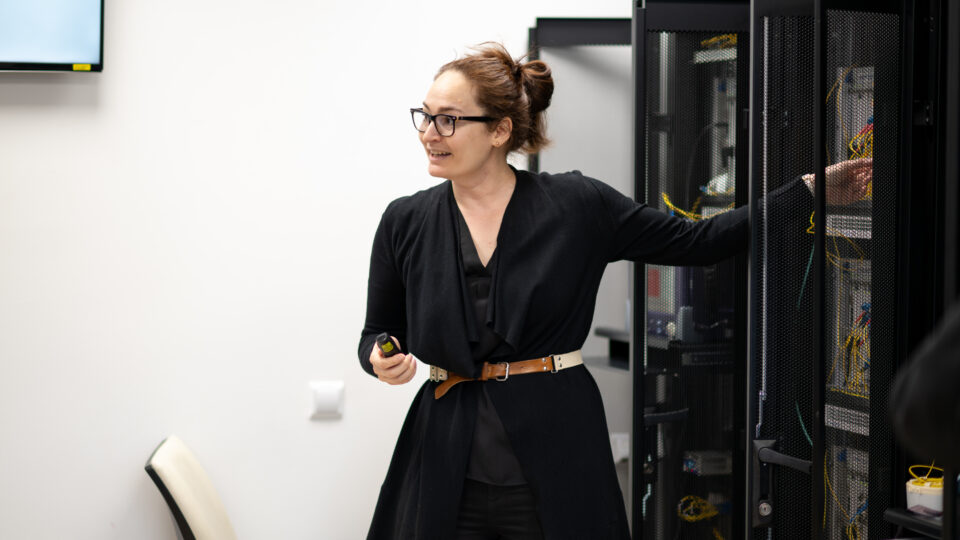
The preparations for establishing TalTech’s fiber optic communications and sensor lab began long ago, but the lab, opened in early March, has gained a new significance in light of the recent cable damage in the Baltic Sea.
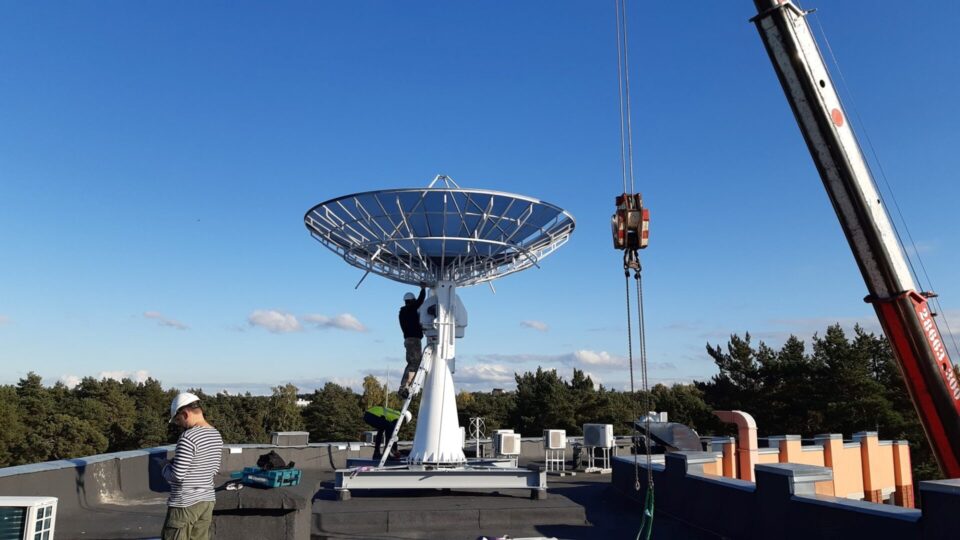
When exploring what exciting work TalTech has done in the space sector, the usual response is always the satellites Koit and Hämarik. However, the work with Koit and Hämarik is by no means the only space-related project at the university.
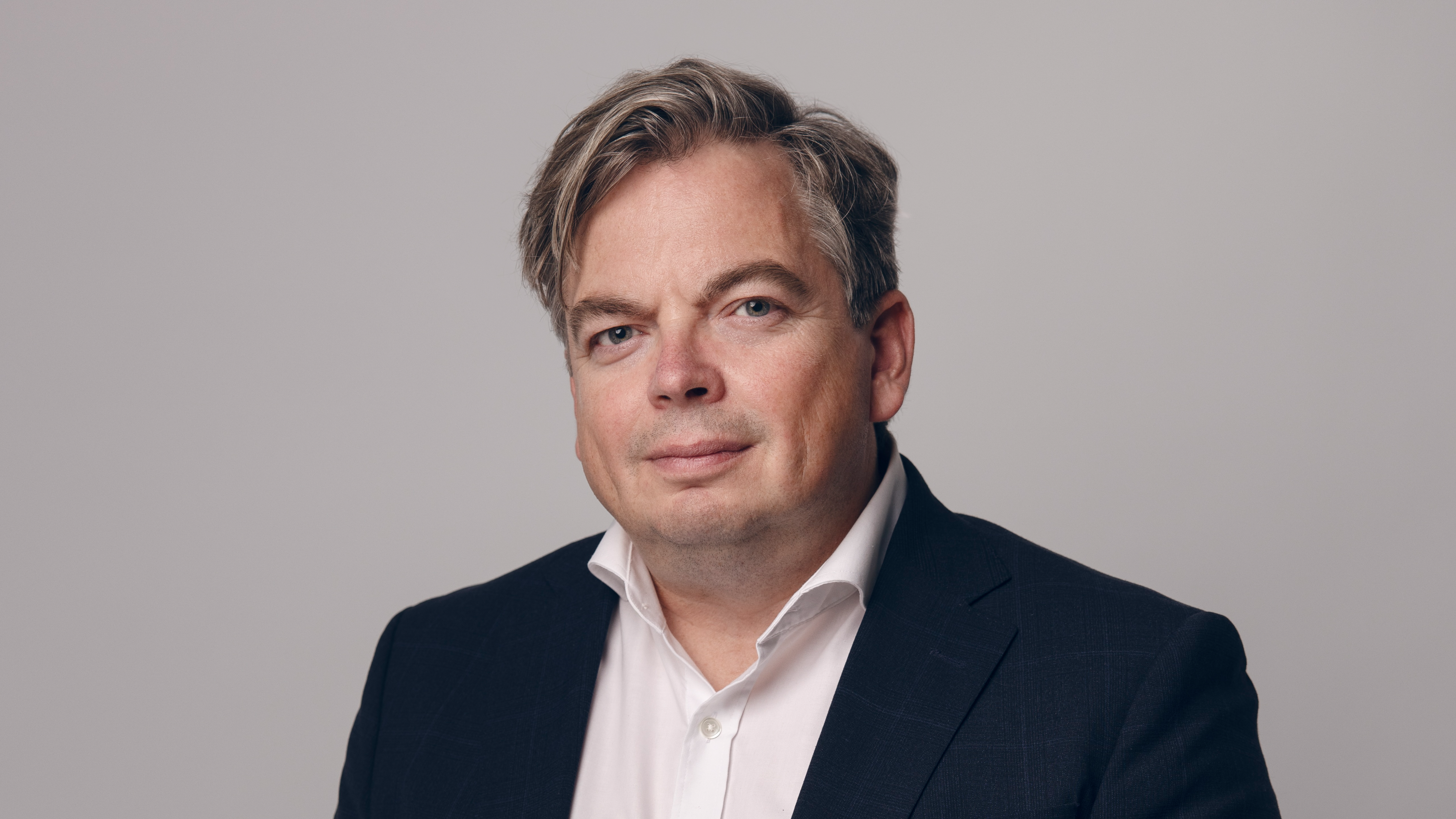
An idea born in the lab can change the world – but only if it makes it out of the lab. Mart Maasik, a TalTech alumnus, partner at Nordic Science Investments and an experienced developer of science-based entrepreneurship, knows just how challenging that journey can be.
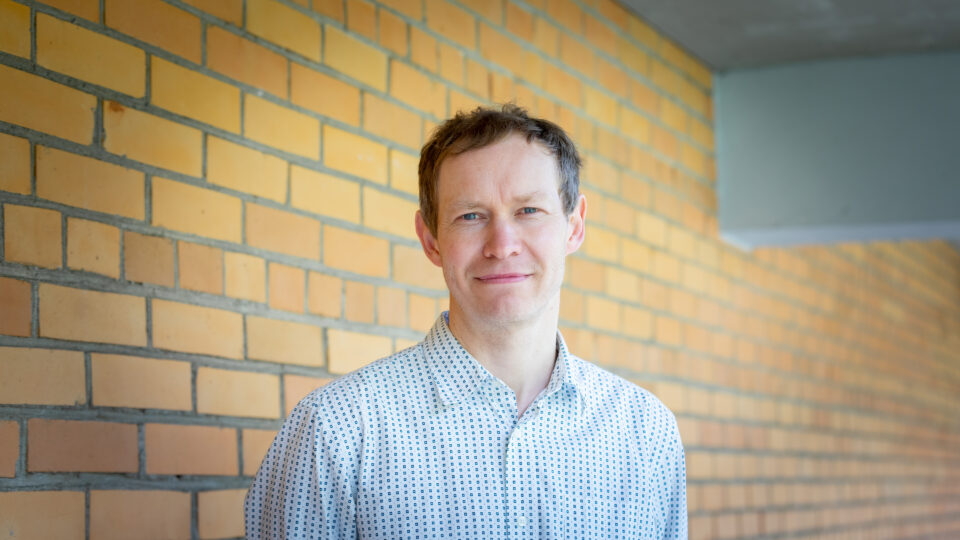
“It was a complete shock,” recalled Tanel Alumäe, head of TalTech's Laboratory of Language Technology, when he first experienced the astonishing ability of large language models to understand and generate language.
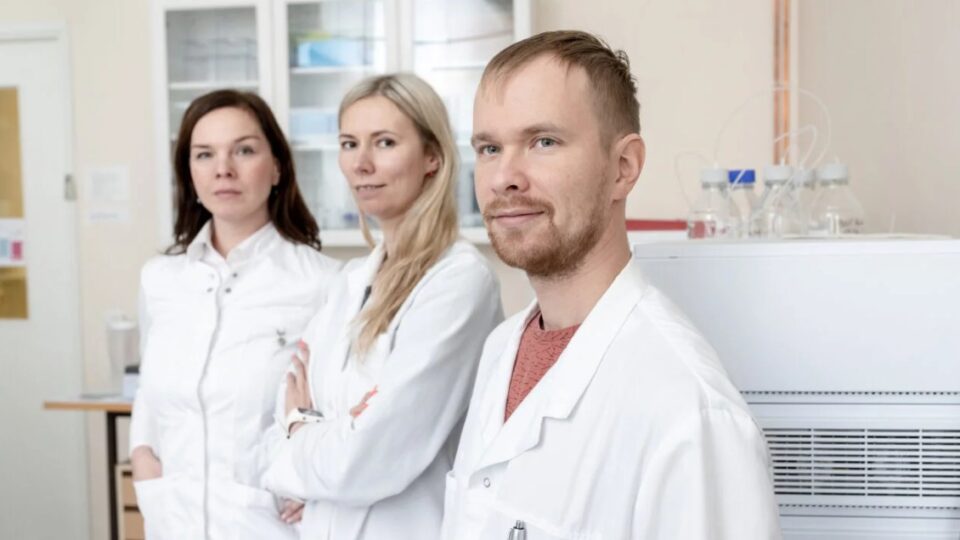
Olesja Bondarenko, co-founder and CEO of the Estonian startup Nanordica Medical and a TalTech alumna, won second place in the European Union Women Innovators Competition in the Women Leaders category, organised by the European Institute of Innovation and Technology (EIT). She was awarded for her special therapeutic wound dressing.

There are thousands of apartment buildings in Estonia that are in urgent need of renovation, yet the daunting nature of the process often prevents people from taking the first step. This is precisely the problem Renokratt aims to solve – a smart tool designed to make renovation planning easier.
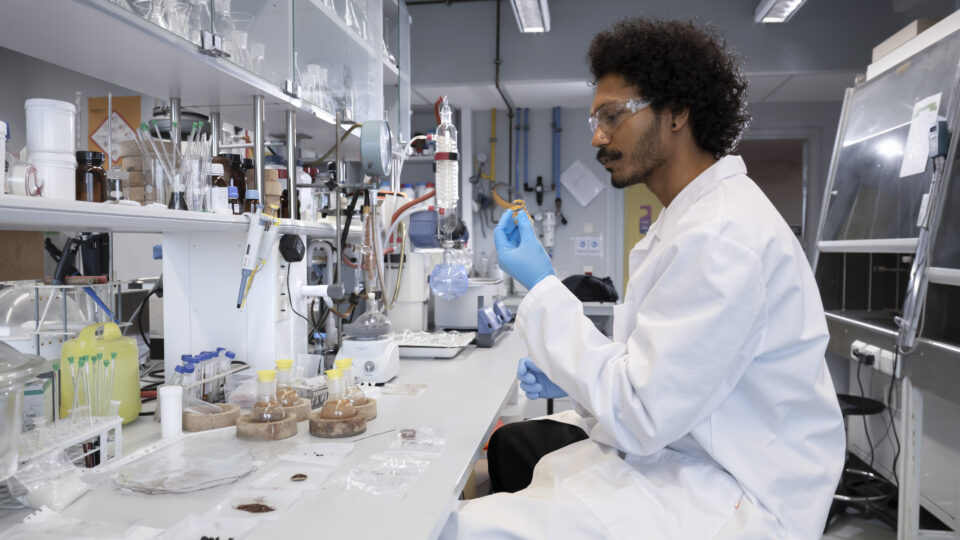
In the global push toward sustainability, one of the most promising yet underutilized natural resources is lignin. Traditionally regarded as a low-value byproduct of the pulp and paper industry, lignin is now at the forefront of innovative research aimed at transforming it into high-value products.