Marketing and Communications Specialist at TalTech’s Virumaa College
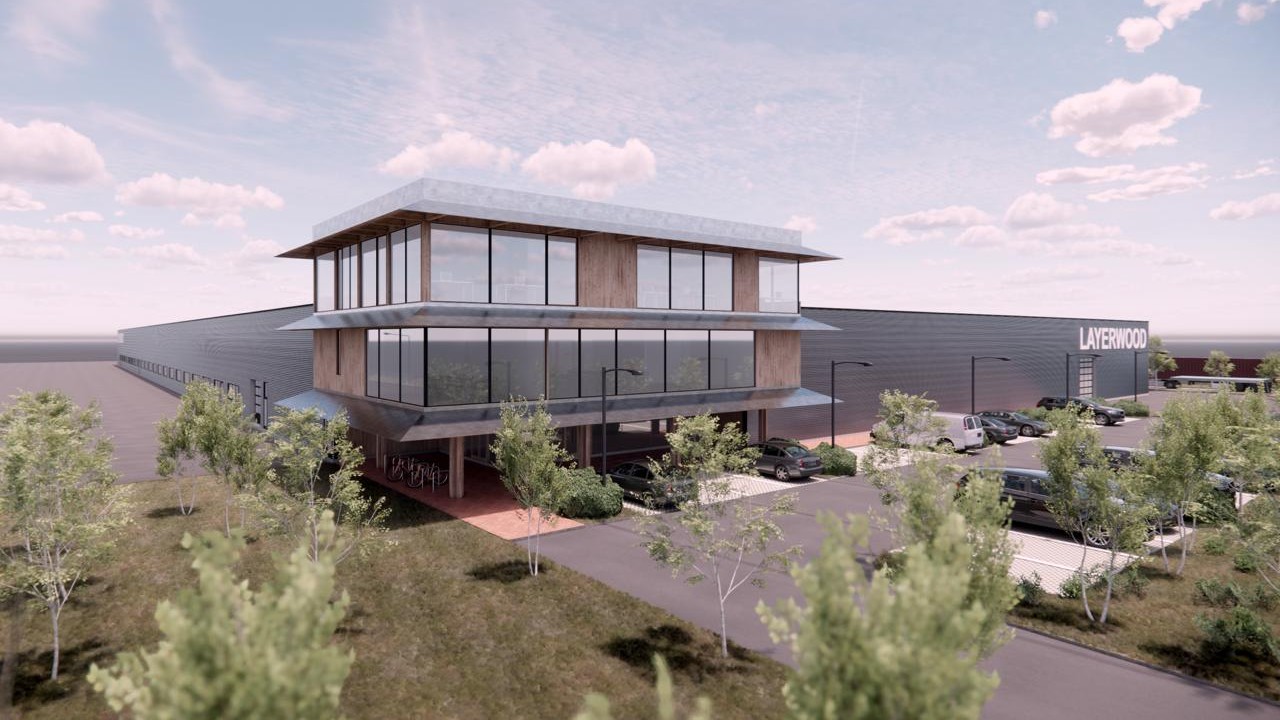
A production logistics simulation developed by researchers at TalTech’s Virumaa College helped Layerwood Production, which is building a new wood processing plant in Kohtla-Järve, identify the equipment the factory actually needs. The digital model allowed the company to remove equipment that would have seen little use from its investment plan.
Layerwood Production is building a highly automated laminated timber factory in Kohtla-Järve to manufacture laminated wood panels, door and window components, and glulam beams. The company plans to export most of its output to European markets.
Based on the company’s planned production process, researchers at Virumaa College created a simulation model that can predict the factory’s performance before equipment is purchased and production begins. The model replicates material flows between production stages, forklift operations, intermediate storage, and potential waiting times and bottlenecks.
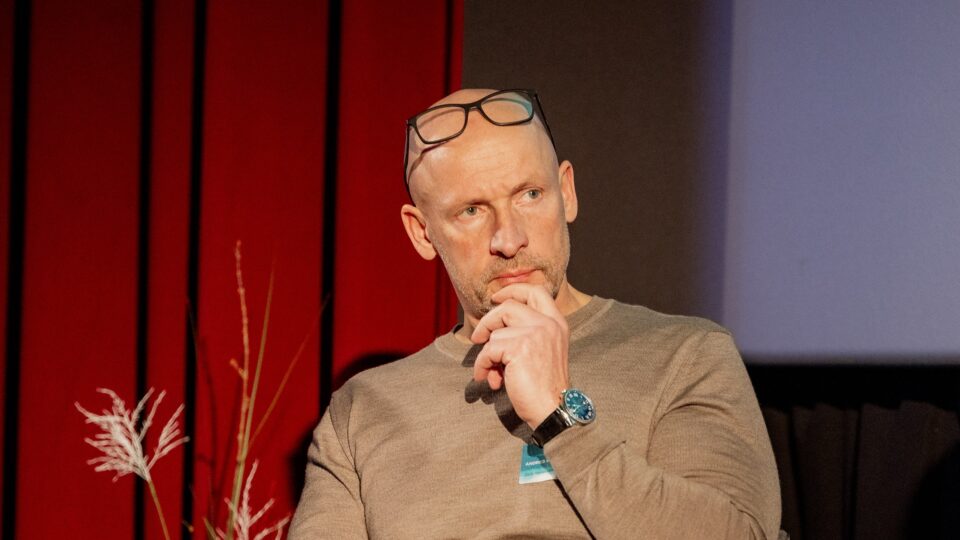
According to Karle Nutonen, the Virumaa College researcher who developed the simulation, the digital model provides an overview of the entire production process and identifies problems that may go unnoticed when individual stages are examined in isolation.
“The simulation lets us follow the movement of materials step by step and identify the causes of possible delays, whether a forklift is unavailable, a distance is too long, or there is another bottleneck. Most importantly, we can test different solutions first, before the company starts spending money on implementing them,” Nutonen explained.
Egert Parik, a member of Layerwood Production’s management board, said the simulation gives owners and financiers additional assurance that the planned factory will operate effectively on a day-to-day basis. The model also helps avoid situations that would lead to spending too much or too little on equipment.
“The simulation helped identify equipment in the initial investment plan that would have been underused in day-to-day operations. By identifying this in advance, we were able to remove it from the investment plan,” Parik said.
Nutonen said the model can also be used in future, for example when production volumes, the number of forklifts or material routes need to be assessed or reassessed.