Editor of Trialoog
Smartwatches collect ever more data about our health, but not every reading can yet be trusted. TalTech researchers are investigating how to make information collected on the wrist usable in healthcare.
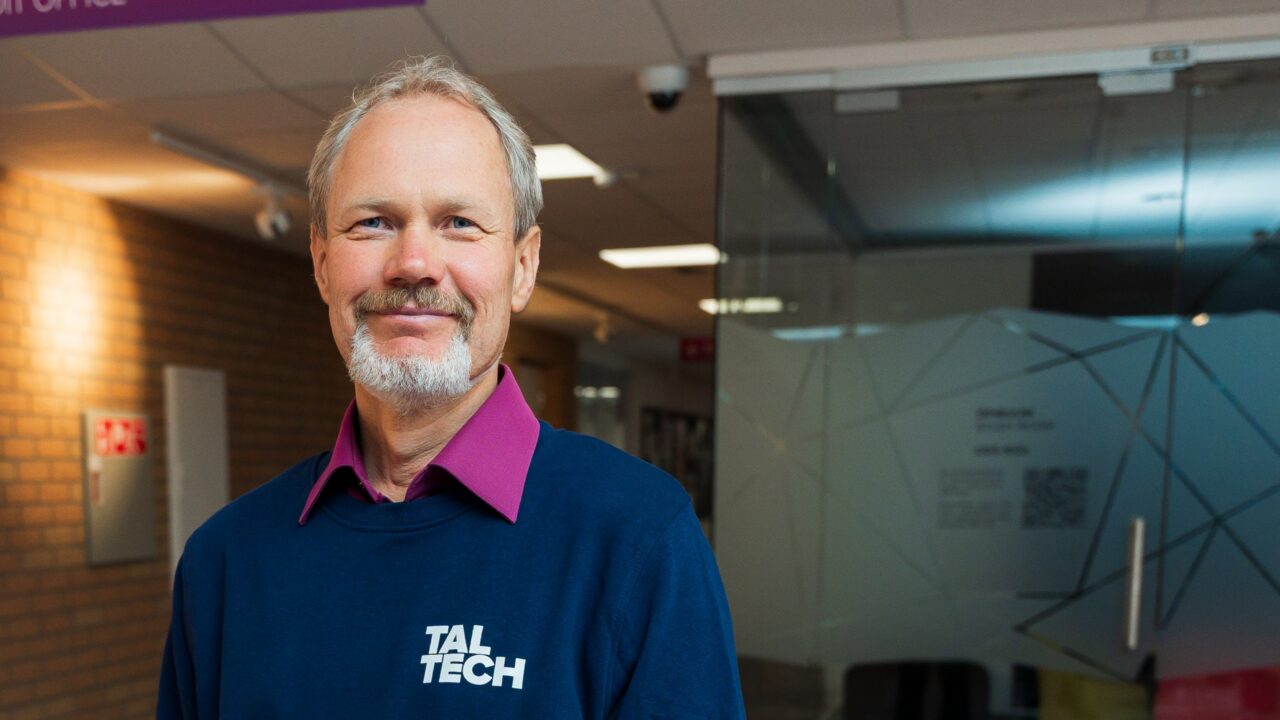
Smartwatches can already show how much people move, their heart rate and how much energy they expend. Professor Ivo Fridolin, Head of TalTech’s Centre for Biomedical Engineering, believes such data could help detect health changes earlier and allow people to intervene in time. First, however, researchers must establish which smart-device readings can be trusted and how to make them usable in healthcare.
The Sensor Technologies in Biomedical Engineering research group within TalTech’s Centre of Excellence in Health and Food Technologies develops new sensors and investigates devices that many people already use every day. In both cases, the aim is to gather information about health and health behaviour that a single medical appointment may not reveal.
Fridolin says one of sensors’ greatest opportunities lies in detecting changes early. If someone’s usual activity gradually declines, for example, this may justify investigating the cause. “Such data reveals trends and changes in people’s health behaviour, which is very important for healthcare,” he said.
Smartwatch readings must be sufficiently reliable
Smartwatches already collect extensive information, but healthcare cannot simply start using it. The accuracy and reliability of the data must first be established.
TalTech researchers have compared devices from Apple, Polar, Samsung and Garmin. Energy expenditure was the first measure analysed in depth. Fridolin said Polar gave the most accurate results in those measurements, with Apple fairly close behind. Analysis of steps and heart rate was still underway at the time of the interview.
The study also produced a simple recommendation for smartwatch users: tell your watch what you are doing during exercise. Select running mode when running and cycling mode when cycling. “The correct mode helps the watch use an algorithm better suited to assessing the specific activity, producing more accurate results,” Fridolin said.
For researchers, comparing watches is only the first step. Before smart-device data can be used in healthcare, it must be clear which readings can be relied on and under what circumstances. Only then can decisions be made about which information is useful for personal health monitoring or presentation to a doctor.
“The correct mode helps the watch use an algorithm better suited to assessing the specific activity, producing more accurate results.”
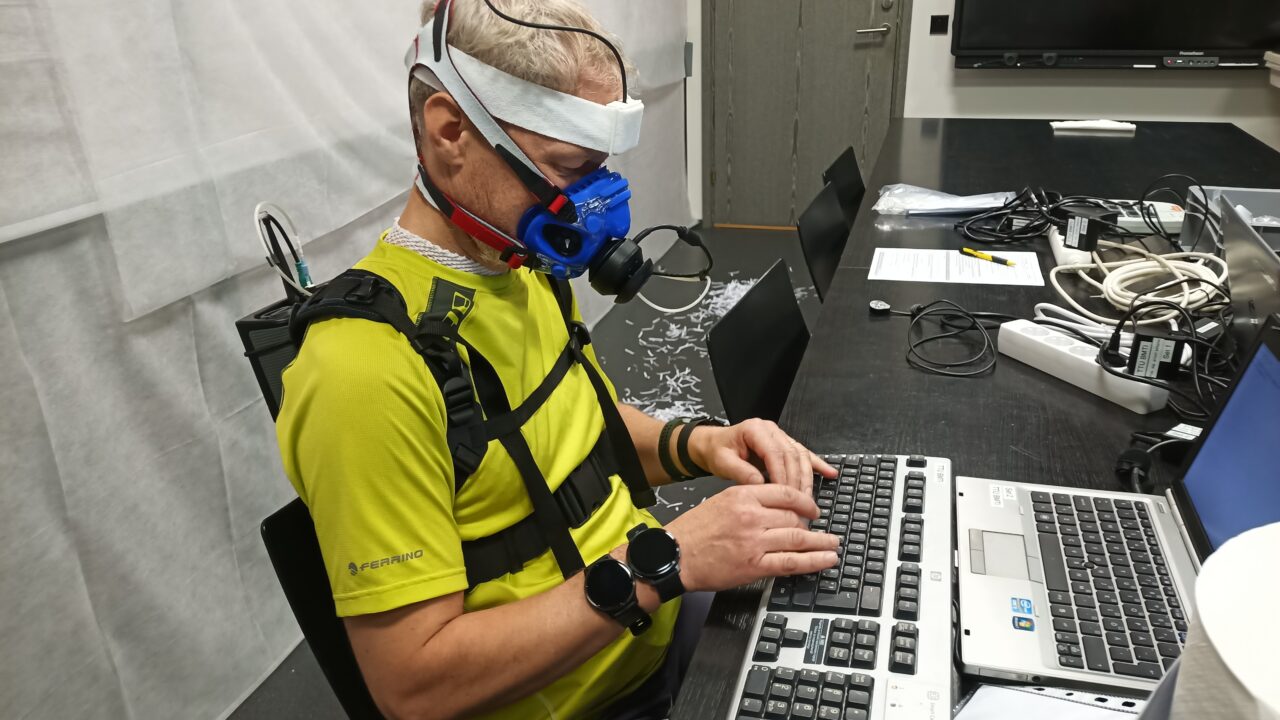
TalTech researchers investigate how accurately smartwatches measure heart rate, energy expenditure, steps and stress. The photograph shows activity tracker readings being compared with reference measurements in a joint TemTA-120 and EstWell study. Photo: private collection
A stress sensor could show whether an intervention really helps
Alongside studying existing smart devices, TalTech researchers are developing new sensors that could provide health information unavailable from current devices. One is a stress sensor.
A difficult question in assessing stress is whether more exercise, rest or other lifestyle changes have actually reduced it. People currently rely largely on how they feel, but Fridolin’s group is seeking a measurable indicator to complement this.
The group is developing a sensor attached to the forehead with a hook-and-loop strap that monitors stress-related changes in blood supply to the brain. Fridolin says it could eventually help assess whether people’s actions are effective. “If we could see more objectively that regular forest runs, for example, had reduced stress compared with a month earlier, it would be easier to decide whether to continue or try something else,” he explained.
Such information could also help family doctors see what someone has tried and how their measurements have changed.
The stress sensor is currently only a prototype. Researchers are comparing its readings with other stress measurement methods to assess its accuracy.
“If we could see more objectively that regular forest runs, for example, had reduced stress compared with a month earlier, it would be easier to decide whether to continue or try something else.”
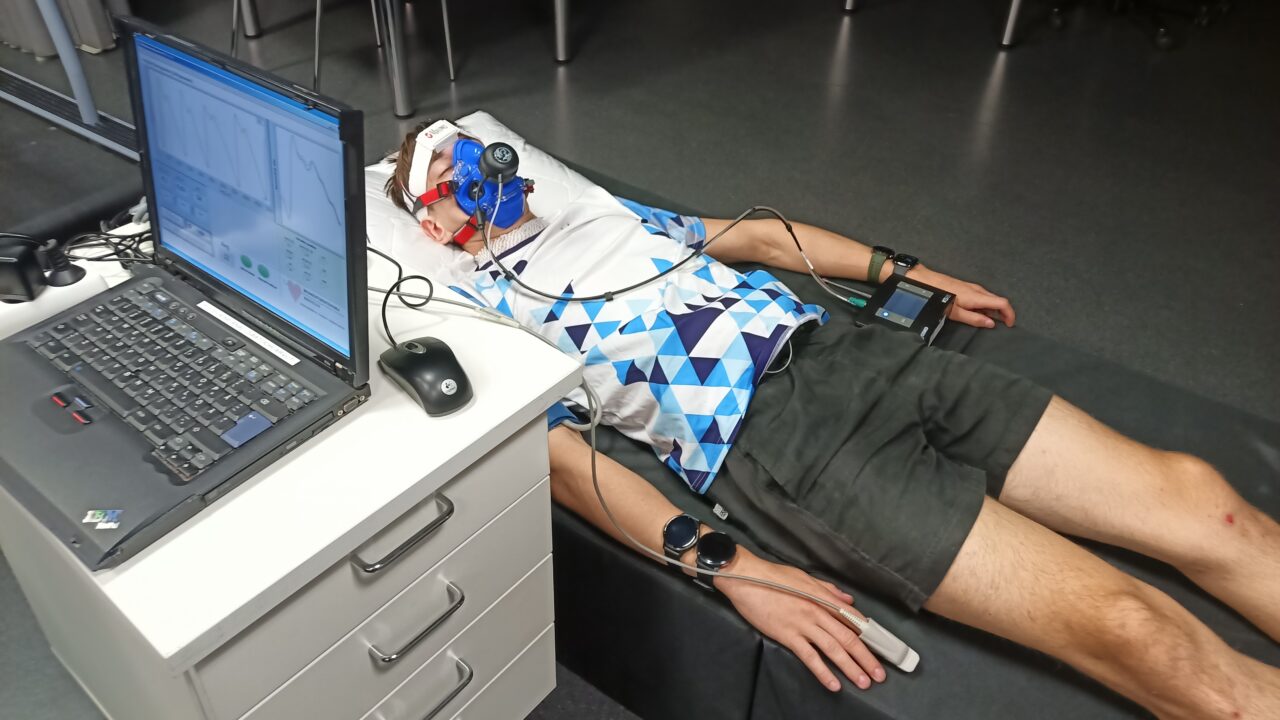
Before smartwatch data can be used in healthcare, its accuracy must be established. TalTech researchers compare readings from different devices with reference measurements to determine which data can be relied on. Photo: private collection
Sensor data could eventually reach the Health Portal
Fridolin and the other project participants envisage people being able, if they wish, to upload data from smartwatches or other sensors to the Health Portal. They could monitor their own measurements, while a family doctor or specialist could use the same information when needed.
Several problems must first be solved. Different manufacturers store information in different formats, so data must be standardised before it can be analysed together in healthcare. “Data quality determines the accuracy and quality of the analysis we can perform,” Fridolin said.
Data must also move securely, and decisions are needed on which measurements to show to individuals and healthcare professionals. Ideally, Fridolin believes, such a solution could be introduced within around five years.
This does not mean everyone should measure themselves around the clock. Numbers motivate some people to change habits but may increase anxiety in others. “A higher stress level or heart-related reading on one particular day does not necessarily mean something is wrong,” he said.
Fridolin believes smart devices are valuable primarily because they provide information about health behaviour that is currently scarce in everyday life. This could support health awareness, improve behaviour and, more broadly, increase healthy life years. But to benefit from the information, we must first know which numbers to trust.
“Data quality determines the accuracy and quality of the analysis we can perform.”
The research is carried out within the TEM-TA105 “Digital Healthcare for a Healthy Society” project and the EstWell Centre of Excellence of Well-Being Sciences projects.