Igor Krupenski: future district heating will use heat that currently goes to waste

14.10.2026
Igor Krupenski: future district heating will use heat that currently goes to waste. 14.10.2026. What might district heating in Estonia look like in ten to fifteen years? How important will wood chips remain, and which solutions will complement them? I do not believe wood chips will disappear from Estonia’s district heating. Local biomass is likely to remain a very important energy source for a long time, particularly in smaller district heating systems. The National Development Plan of the Energy Sector until 2035 (ENMAK 2035) also envisages biomass remaining an important part of our heating sector. The generation portfolio will, however, become much more diverse. Alongside biomass, we will increasingly use large heat pumps, waste heat from industry and data centres, electric boilers, thermal storage and, where possible, geothermal energy. At the same time, we are moving towards lower district heating temperatures, which allow low-temperature heat sources to be used more efficiently. I therefore do not think the future requires us to choose between wood chips and heat pumps. Different technologies will work together, with the control system selecting the most sensible combination at any given time. Wood chips have helped Estonia reduce its dependence on fossil fuels. Why should we not continue relying largely on wood? We can, and to some extent certainly will. Local biomass is important to Estonia for both security of supply and energy security. The real question is whether it makes sense to use valuable fuel when heat is already available that would otherwise be released into the environment. If an industrial company or data centre continuously produces waste heat, for example, the sensible engineering approach is to first investigate whether it can be fed into the district heating network. My guiding principle would be: before generating new heat, check whether the heat we need already exists somewhere in the system. At the same time, biomass provides valuable dispatchable generation capacity, especially for cold weather, peak demand and situations where electricity-based solutions are not economically optimal. Large heat pumps, waste heat, electric boilers and thermal storage are increasingly discussed. How do these solutions complement one another in district heating? Their combined use is precisely where the greatest potential lies. A heat pump raises heat from wastewater, seawater, industry or another low-temperature source to a temperature suitable for district heating. An electric boiler is a technically simple, flexible device that can be used, for example, during favourable hours on the electricity market. Thermal storage separates generation and consumption in time. This means heat does not necessarily have to be produced at the exact moment consumers need it. We can generate heat when electricity is plentiful and cheaper, store it and use it later. Add biomass, combined heat and power, and other existing generation units, and district heating becomes an increasingly integrated energy system rather than a single generating device. I therefore do not think the future requires us to choose between wood chips and heat pumps. Different technologies will work together, with the control system selecting the most sensible combination at any given time. A large wastewater and seawater heat pump plant is expected to start operating in Tallinn this winter. How significant is this change, and what could other parts of Estonia learn from it? The Paljassaare project is very significant on an Estonian scale. The plant has a thermal capacity of 110 MW and is expected to cover up to one fifth of Tallinn’s annual district heating demand. Utilitas estimates that it could reduce CO2 emissions from Tallinn’s heat supply by around 100,000 tonnes a year and bring the share of fossil fuels below 10%. Even more important, in my view, is the principle: using a resource the city already has. Wastewater is produced whether or not we recover its heat. Seawater provides an additional stable heat source. Naturally, not every Estonian town needs a 110 MW heat pump plant. The lesson is to map local energy sources in every district heating system — wastewater, industry, water bodies, server facilities and geothermal energy — and ask which could be used. As district heating increasingly uses electrically powered solutions, heat and electricity systems become more closely linked. What does this change? I see this as one of the coming decade’s most important changes. Traditionally, we have considered electricity and heat systems fairly separately. Electrification connects them more closely, allowing district heating to help balance the electricity system. When electricity is plentiful and cheap, heat pumps and electric boilers can convert it into heat for storage. When the electricity system is heavily loaded or prices are high, production can be reduced and stored heat or other heat sources used instead. District heating will therefore be more than an electricity consumer. Managed correctly, it can help balance the entire energy system. ENMAK 2035 also specifically highlights how electrifying district heating and introducing thermal storage can make electricity demand more flexible. What does this mean for consumers? Could using different energy sources and storage help stabilise heating prices? That could be one of the main benefits. The more generation options a system has, the less heating prices depend on a single fuel or energy carrier. When gas is expensive, other sources can be used more. When electricity is affordable, heat pumps and electric boilers can operate. When electricity prices rise, stored heat or dispatchable generation units can be used. This does not mean heating prices will never fluctuate again: investments, electricity and fuel prices, and other costs remain. But a diverse generation portfolio combined with storage gives the system more options for coping with price fluctuations. Utilitas has highlighted both price stability and security of supply in the Paljassaare project. There is much discussion of waste heat from industry and data centres. How much untapped potential is there in Estonia, and what prevents wider use? The potential certainly exists, but we should be cautious about putting a precise figure on it: not every waste heat source can be used economically. Temperature, capacity, operating hours and, above all, location matter. If a very large waste heat source is tens of kilometres from the nearest district heating network, building the connection may cost more than the benefits it brings. We also need confidence that the source will exist long term. District heating pipes and heat pump plants are built for decades, whereas an industrial company’s or data centre’s operations can change more quickly. Closer cooperation between energy and spatial planning is therefore needed. When choosing sites for major new electricity consumers and industrial facilities, the potential use of their waste heat should be considered from the outset. District heating will therefore be more than an electricity consumer. Managed correctly, it can help balance the entire energy system. ENMAK 2035 also specifically highlights how electrifying district heating and introducing thermal storage can make electricity demand more flexible. Could district heating develop quite differently in Tallinn, Tartu and smaller Estonian settlements? What determines the most suitable solutions? Certainly. There is no universal district heating technology that suits every location. A large system such as Tallinn’s can use very large heat pumps, different waste heat sources, combined heat and power, large thermal stores and several generation units simultaneously. In a small settlement, the most rational solution may remain a local wood-chip boiler plant, complemented, for example, by electrically powered heat generation and a small thermal store. The choice depends on the network’s size and density, required temperatures, local energy sources, electricity grid capacity and, of course, investment costs. Every district heating system must therefore be considered individually. Where does Estonia’s district heating sector most need researchers’ help? Where can TalTech contribute most in the coming years? I no longer see the technical feasibility of using heat pumps, thermal storage or waste heat as one of the biggest research questions. We know it is possible. The harder question is how to use all of them together as efficiently as possible. When should the heat pump run? When should the electric boiler operate? When should storage be charged or discharged? How can demand and electricity prices be forecast? How low can network temperatures go? How does changing one part of the network affect the rest? I see a major role for TalTech in systematically addressing low-temperature district heating, system modelling and optimisation, waste heat integration, thermal storage, coordinated electricity and heat system management, digitalisation and AI-based control. In other words, research is increasingly moving from individual components to the entire energy system. Looking at Estonia’s heating sector as a whole, which changes must be made over the next decade to ensure reliability, environmental sustainability and affordability? I would highlight three principles. First, we should continue modernising district heating networks and lowering temperatures. Lower network temperatures mean lower losses and make heat pumps and low-temperature waste heat easier to use. ENMAK 2035 also points towards wider use of low-temperature district heating, heat pumps, waste heat and storage. Secondly, we must diversify generation. I would not replace one dependency with another — for example, dependence on gas with complete dependence on electricity. In a strong district heating system, local biomass, heat pumps, waste heat, electric boilers, storage and, where necessary, backup capacity should complement one another. Thirdly, we must consider the energy system as a whole. Planning electricity, heat, buildings and industry separately no longer makes sense. I no longer see the technical feasibility of using heat pumps, thermal storage or waste heat as one of the biggest research questions. We know it is possible. The harder question is how to use all of them together as efficiently as possible.
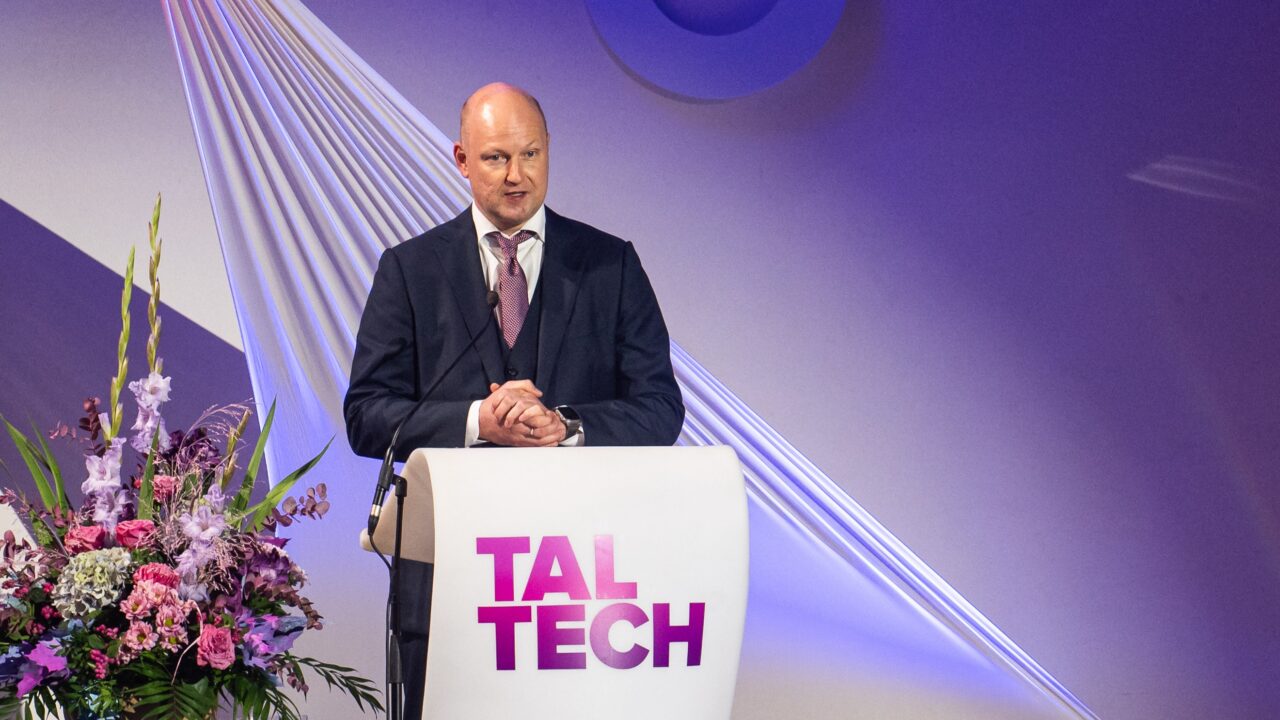
Krupenski does not believe the future of district heating requires a choice between wood chips and heat pumps. Different technologies will work together, with the control system selecting the most sensible combination at any given time. Photo: TalTech

Krupenski does not believe the future of district heating requires a choice between wood chips and heat pumps. Different technologies will work together, with the control system selecting the most sensible combination at any given time. Photo: TalTech

Cheaper, more reliable heating will increasingly depend on how intelligently we combine different energy sources. TalTech thermal energy specialist Igor Krupenski sees considerable untapped potential in waste heat from industry, data centres and wastewater in Estonia, alongside continued roles for wood chips, heat pumps and storage. Well-managed district heating could soften price fluctuations and help balance the energy system.

What might district heating in Estonia look like in ten to fifteen years? How important will wood chips remain, and which solutions will complement them?

I do not believe wood chips will disappear from Estonia’s district heating. Local biomass is likely to remain a very important energy source for a long time, particularly in smaller district heating systems. The National Development Plan of the Energy Sector until 2035 (ENMAK 2035) also envisages biomass remaining an important part of our heating sector.

The generation portfolio will, however, become much more diverse. Alongside biomass, we will increasingly use large heat pumps, waste heat from industry and data centres, electric boilers, thermal storage and, where possible, geothermal energy. At the same time, we are moving towards lower district heating temperatures, which allow low-temperature heat sources to be used more efficiently.

I therefore do not think the future requires us to choose between wood chips and heat pumps. Different technologies will work together, with the control system selecting the most sensible combination at any given time.
Wood chips have helped Estonia reduce its dependence on fossil fuels. Why should we not continue relying largely on wood?

We can, and to some extent certainly will. Local biomass is important to Estonia for both security of supply and energy security.

The real question is whether it makes sense to use valuable fuel when heat is already available that would otherwise be released into the environment. If an industrial company or data centre continuously produces waste heat, for example, the sensible engineering approach is to first investigate whether it can be fed into the district heating network.

My guiding principle would be: before generating new heat, check whether the heat we need already exists somewhere in the system.

At the same time, biomass provides valuable dispatchable generation capacity, especially for cold weather, peak demand and situations where electricity-based solutions are not economically optimal.

Large heat pumps, waste heat, electric boilers and thermal storage are increasingly discussed. How do these solutions complement one another in district heating?

Their combined use is precisely where the greatest potential lies.

A heat pump raises heat from wastewater, seawater, industry or another low-temperature source to a temperature suitable for district heating. An electric boiler is a technically simple, flexible device that can be used, for example, during favourable hours on the electricity market. Thermal storage separates generation and consumption in time.

This means heat does not necessarily have to be produced at the exact moment consumers need it. We can generate heat when electricity is plentiful and cheaper, store it and use it later.

Add biomass, combined heat and power, and other existing generation units, and district heating becomes an increasingly integrated energy system rather than a single generating device.

I therefore do not think the future requires us to choose between wood chips and heat pumps. Different technologies will work together, with the control system selecting the most sensible combination at any given time.

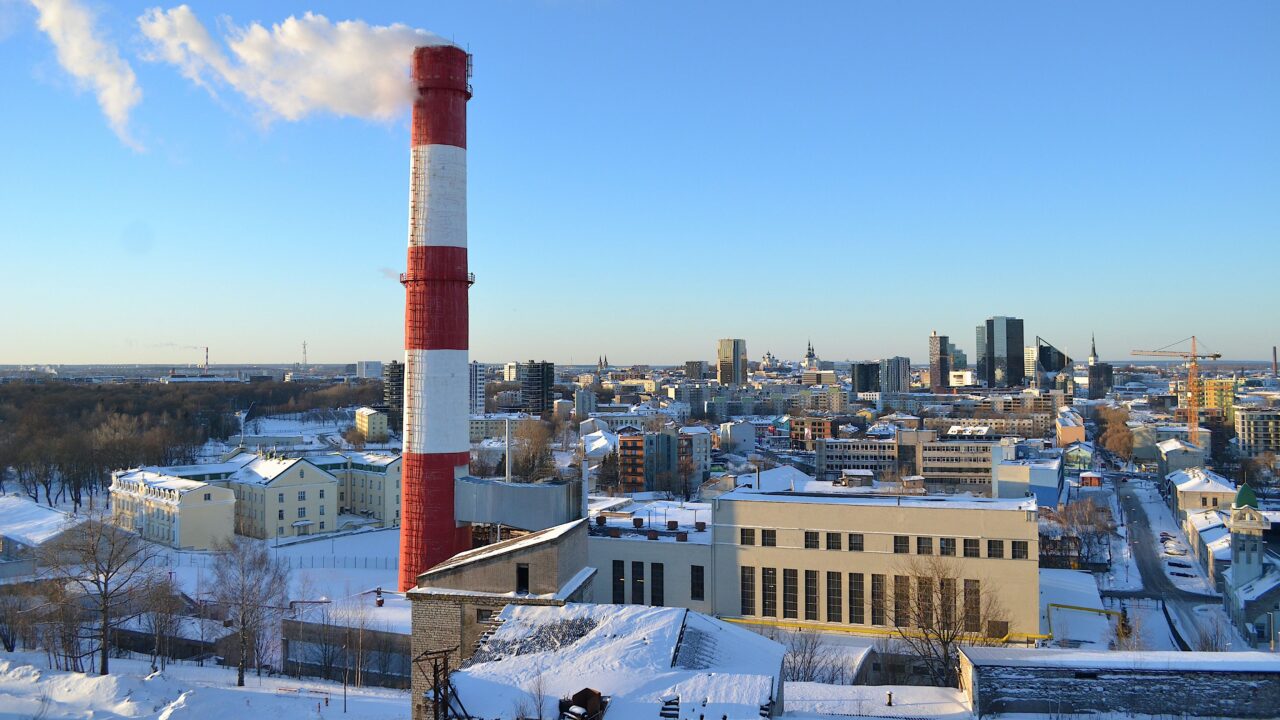
In a large district heating system such as Tallinn’s, Krupenski says large heat pumps, waste heat, combined heat and power, and thermal storage can be combined and managed as one system. Photo: Pexels

In a large district heating system such as Tallinn’s, Krupenski says large heat pumps, waste heat, combined heat and power, and thermal storage can be combined and managed as one system. Photo: Pexels

A large wastewater and seawater heat pump plant is expected to start operating in Tallinn this winter. How significant is this change, and what could other parts of Estonia learn from it?

The Paljassaare project is very significant on an Estonian scale. The plant has a thermal capacity of 110 MW and is expected to cover up to one fifth of Tallinn’s annual district heating demand. Utilitas estimates that it could reduce CO2 emissions from Tallinn’s heat supply by around 100,000 tonnes a year and bring the share of fossil fuels below 10%.

Even more important, in my view, is the principle: using a resource the city already has. Wastewater is produced whether or not we recover its heat. Seawater provides an additional stable heat source.

Naturally, not every Estonian town needs a 110 MW heat pump plant. The lesson is to map local energy sources in every district heating system — wastewater, industry, water bodies, server facilities and geothermal energy — and ask which could be used.

As district heating increasingly uses electrically powered solutions, heat and electricity systems become more closely linked. What does this change?

I see this as one of the coming decade’s most important changes.

Traditionally, we have considered electricity and heat systems fairly separately. Electrification connects them more closely, allowing district heating to help balance the electricity system.

When electricity is plentiful and cheap, heat pumps and electric boilers can convert it into heat for storage. When the electricity system is heavily loaded or prices are high, production can be reduced and stored heat or other heat sources used instead.

District heating will therefore be more than an electricity consumer. Managed correctly, it can help balance the entire energy system. ENMAK 2035 also specifically highlights how electrifying district heating and introducing thermal storage can make electricity demand more flexible.
What does this mean for consumers? Could using different energy sources and storage help stabilise heating prices?

That could be one of the main benefits. The more generation options a system has, the less heating prices depend on a single fuel or energy carrier.

When gas is expensive, other sources can be used more. When electricity is affordable, heat pumps and electric boilers can operate. When electricity prices rise, stored heat or dispatchable generation units can be used.

This does not mean heating prices will never fluctuate again: investments, electricity and fuel prices, and other costs remain. But a diverse generation portfolio combined with storage gives the system more options for coping with price fluctuations. Utilitas has highlighted both price stability and security of supply in the Paljassaare project.

There is much discussion of waste heat from industry and data centres. How much untapped potential is there in Estonia, and what prevents wider use?

The potential certainly exists, but we should be cautious about putting a precise figure on it: not every waste heat source can be used economically.

Temperature, capacity, operating hours and, above all, location matter. If a very large waste heat source is tens of kilometres from the nearest district heating network, building the connection may cost more than the benefits it brings.

We also need confidence that the source will exist long term. District heating pipes and heat pump plants are built for decades, whereas an industrial company’s or data centre’s operations can change more quickly.

Closer cooperation between energy and spatial planning is therefore needed. When choosing sites for major new electricity consumers and industrial facilities, the potential use of their waste heat should be considered from the outset.

District heating will therefore be more than an electricity consumer. Managed correctly, it can help balance the entire energy system. ENMAK 2035 also specifically highlights how electrifying district heating and introducing thermal storage can make electricity demand more flexible.

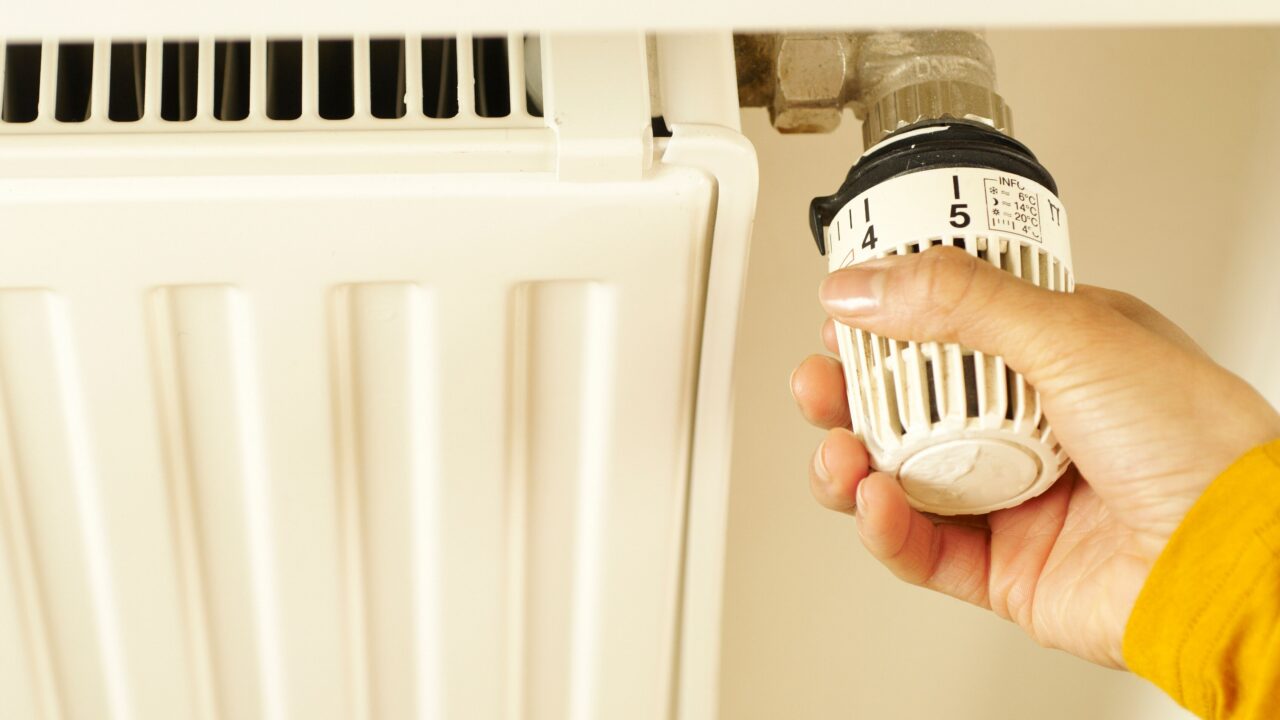
A diversified district heating system could provide consumers with more reliable heating at more stable prices, says Krupenski. Photo: Pexels

A diversified district heating system could provide consumers with more reliable heating at more stable prices, says Krupenski. Photo: Pexels

Could district heating develop quite differently in Tallinn, Tartu and smaller Estonian settlements? What determines the most suitable solutions?

Certainly. There is no universal district heating technology that suits every location.

A large system such as Tallinn’s can use very large heat pumps, different waste heat sources, combined heat and power, large thermal stores and several generation units simultaneously.

In a small settlement, the most rational solution may remain a local wood-chip boiler plant, complemented, for example, by electrically powered heat generation and a small thermal store.

The choice depends on the network’s size and density, required temperatures, local energy sources, electricity grid capacity and, of course, investment costs. Every district heating system must therefore be considered individually.

Where does Estonia’s district heating sector most need researchers’ help? Where can TalTech contribute most in the coming years?

I no longer see the technical feasibility of using heat pumps, thermal storage or waste heat as one of the biggest research questions. We know it is possible.

The harder question is how to use all of them together as efficiently as possible.

When should the heat pump run? When should the electric boiler operate? When should storage be charged or discharged? How can demand and electricity prices be forecast? How low can network temperatures go? How does changing one part of the network affect the rest?

I see a major role for TalTech in systematically addressing low-temperature district heating, system modelling and optimisation, waste heat integration, thermal storage, coordinated electricity and heat system management, digitalisation and AI-based control.

In other words, research is increasingly moving from individual components to the entire energy system.

Looking at Estonia’s heating sector as a whole, which changes must be made over the next decade to ensure reliability, environmental sustainability and affordability?

I would highlight three principles.

First, we should continue modernising district heating networks and lowering temperatures. Lower network temperatures mean lower losses and make heat pumps and low-temperature waste heat easier to use. ENMAK 2035 also points towards wider use of low-temperature district heating, heat pumps, waste heat and storage.

Secondly, we must diversify generation. I would not replace one dependency with another — for example, dependence on gas with complete dependence on electricity. In a strong district heating system, local biomass, heat pumps, waste heat, electric boilers, storage and, where necessary, backup capacity should complement one another.

Thirdly, we must consider the energy system as a whole. Planning electricity, heat, buildings and industry separately no longer makes sense.

I no longer see the technical feasibility of using heat pumps, thermal storage or waste heat as one of the biggest research questions. We know it is possible. The harder question is how to use all of them together as efficiently as possible.