Editor-in-Chief of Trialoog
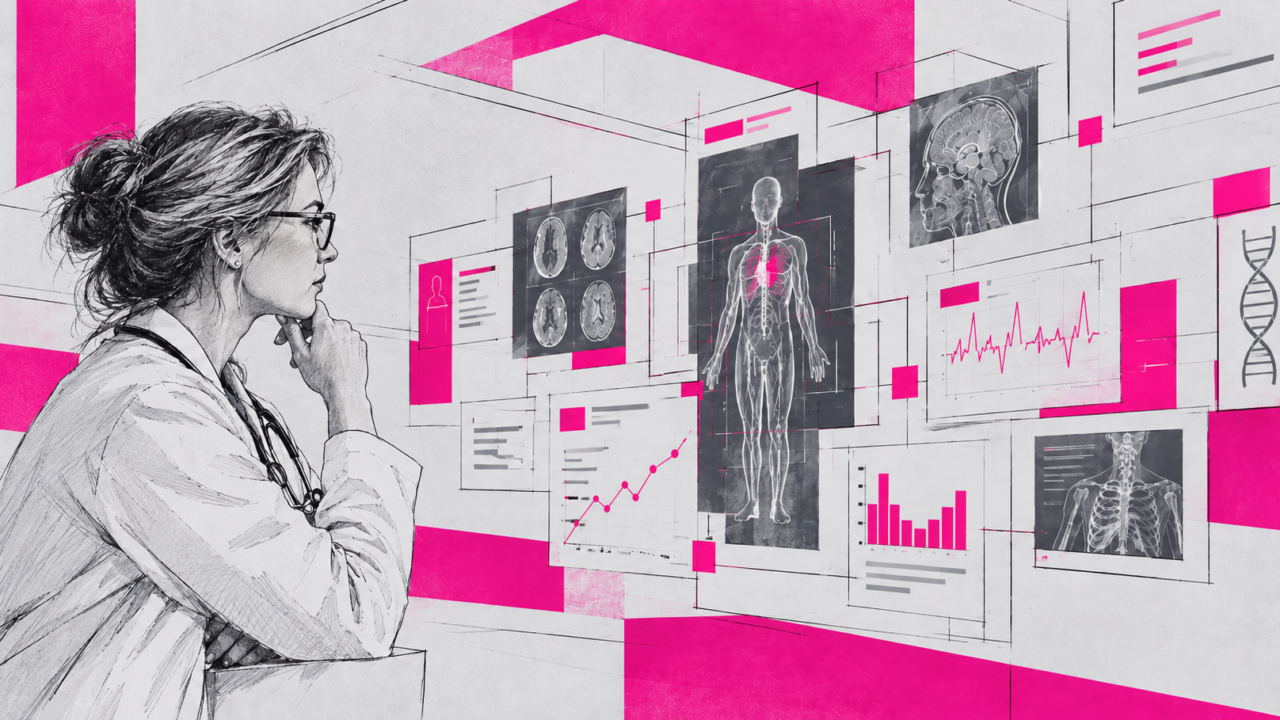
Estonia’s e-health system is an international model, but its next leap forward requires higher-quality health data, greater involvement of doctors and evidence of the real benefits of digital solutions, say three European health informatics experts.
Three European leaders in health informatics praise Estonia’s courage and ambition in building a nationwide e-health system, but believe that a technological head start is no longer enough. The next steps should be to demonstrate that digital solutions improve clinical outcomes, structure and harmonise the data layer, and ensure that e-health benefits both patients and healthcare professionals in their everyday lives. These issues will be discussed at the European medical informatics conference MIE 2027 in Tallinn in April 2027.
Three international experts visited Estonian HealthTech Week, held in Tallinn and Tartu in August. Dipak Kalra, President of the European Institute for Innovation through Health Data (i~HD) and Professor of Health Informatics at University College London; Lars Lindsköld, President of the European Federation for Medical Informatics (EFMI); and EFMI Secretary Petter Hurlen spoke to Trialoog about Estonia’s e-health achievements and its next steps.
Kalra considers Estonia’s e-health system remarkable primarily because the country established a nationwide solution early on, bringing together data collected by different healthcare institutions and allowing all healthcare professionals treating a patient to use it in their care. Estonia was also among the first countries to give patients extensive access to their own health data.
Even more remarkable than the technical solution, Kalra believes, was the willingness of healthcare professionals and institutions to adopt the system and contribute to it.
Lindsköld also stresses that e-health is inherently sociotechnical: trust and the organisation of clinical work are just as important as technology. In his view, Estonia was right to first establish distributed data exchange and then develop common coding and standards based on real clinical cases.
Hurlen likewise believes Estonia’s good reputation is justified. From the outset, Estonia developed health informatics at the national level rather than focusing on a single region or medical specialty, recognising that different parts of the system must work together to treat patients. Such development requires more than a sound vision: Estonia also had the courage to seize the opportunity and put that vision into practice.
Hurlen warns, however, that a good vision and functioning technology alone do not prove that clinical outcomes have improved. The clinical impact of digital solutions should be independently evaluated. “If someone claims that a technological solution delivers better healthcare, they should also provide evidence,” he said. Hurlen noted that providing such evidence has not been particularly common in health informatics, and Estonia could set an example here.
“If someone claims that a technological solution delivers better healthcare, they should also provide evidence.”
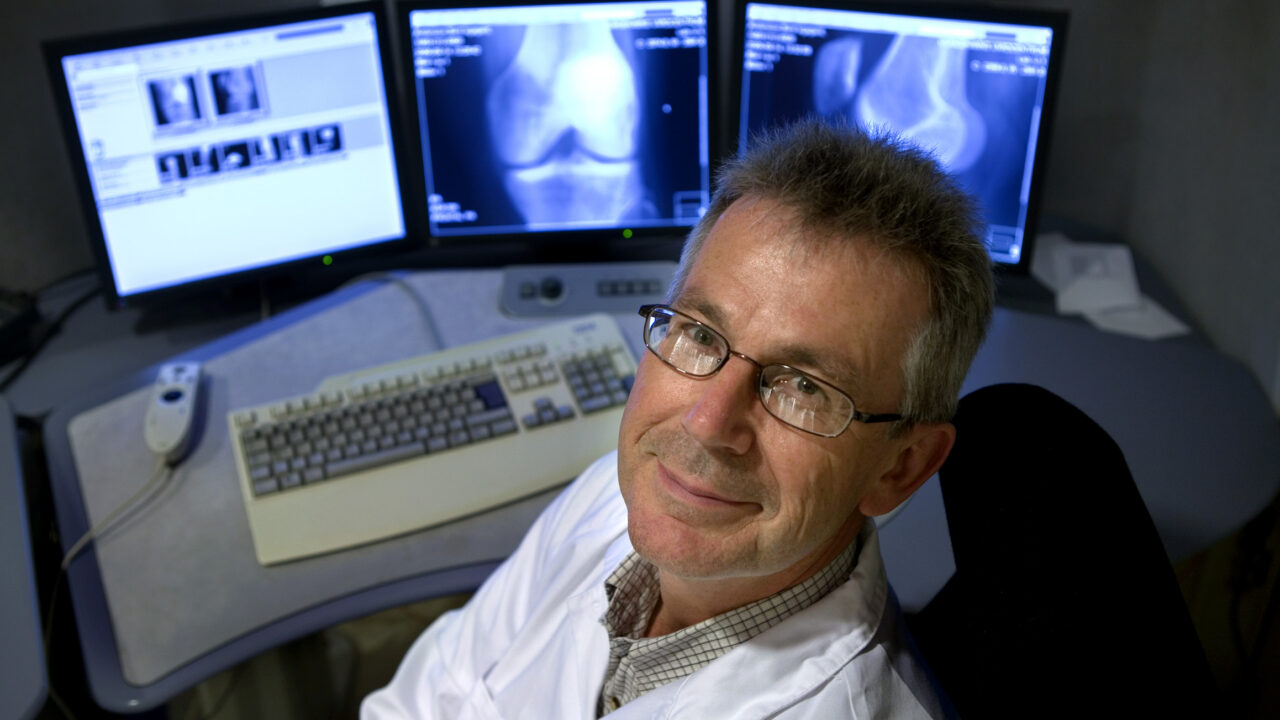
European Federation for Medical Informatics President Lars Lindsköld stresses that, alongside technology, involving doctors, building trust and harmonising health data are crucial to developing e-health. Photo: private collection
Digitised data is not yet readily usable data
Kalra sees Estonia’s population-wide health dataset as a strength: it brings together data from family doctors, hospitals and other healthcare institutions, and includes genomic data for some people.
In his view, a dataset linking information from different care settings is already highly valuable. Its value would increase further if data were consistently structured and coded, and systems’ semantic interoperability improved. Estonia’s dataset is too small to study rare diseases, for example, making it necessary to bring together data from several countries.
Lindsköld is also convinced that the next step is to move beyond merely digitised health records towards fully structured and harmonised data. Tools for this include FHIR, which helps different health information systems exchange data; openEHR, which enables health data to be stored using a common structure; and the OMOP data model, which harmonises health data from different sources and makes it comparable. For him, the semantic layer is decisive: it ensures that data means the same thing in different systems.
Without harmonisation, Lindsköld argues, AI cannot be used safely in patient care, nor can health data be reused within the European Health Data Space in accordance with FAIR principles.
Hurlen points to another danger. Replacing doctors’ descriptions in professional language with codes for the sake of secondary data use may cause some meaning to be lost. Such coding has been attempted for decades, he said, but a safe and effective method has yet to be found.
Hurlen also considers retrospective studies based on previously collected data important, but points out that medical research is predominantly prospective. In his view, discussions of big data tend to overlook some of what medicine has already learned about the possibilities and limitations of analysing epidemiological data.
Hurlen is also concerned that entering ever more data into registries forces doctors to spend time coding at the expense of patient care. Estonia could look for ways to improve data availability for secondary use without undermining communication between doctors. One possibility he raises is whether AI could help reconcile these two needs.
Doctors and patients must benefit from the system
Kalra could not assess how much doctors currently benefit from Estonia’s e-health system, citing a lack of data. He did, however, describe what the system could achieve.
It should allow healthcare professionals to access information about a patient quickly and conveniently, even when it is not held in their own institution’s electronic health record, without overwhelming users with excessive information. It should also enable care teams to analyse the quality of their work and identify shortcomings that could be addressed.
For patients, an important improvement would be not having to repeat their medical history whenever they see a new doctor or other healthcare professional.
Secondly, Kalra believes that simply allowing people to view their health data is not enough. They should be able to use it in apps and other digital tools to monitor changes in their health, receive personalised reminders and find relevant health information. Making the system useful to patients is his priority.
All three experts emphasise the central role of healthcare professionals in designing systems. Kalra said their participation cannot be meaningful if the system being developed serves someone else’s interests. The first task is to establish what value it creates for healthcare professionals themselves. They must then be involved throughout the development lifecycle, with compensation for their time paid to them or their employer.
“Co-design is a methodology, not merely a courtesy,” Lindsköld said. Alongside technical requirements, developers must consider healthcare professionals’ cognitive workload and actual workflows. Healthcare professionals always reason within a particular context, whereas machines follow rules. If system design ignores that difference, a solution may not work in a hospital’s everyday practice.
Hurlen believes doctors must be involved in development in a way that gives them real influence over the outcome. Simply asking them to explain current working practices to developers is insufficient.
He stresses that technology can have both intended effects and unintended side effects. Serious side effects may outweigh potential benefits. “We treat patients, not data,” he summarised.
“We treat patients, not data.”
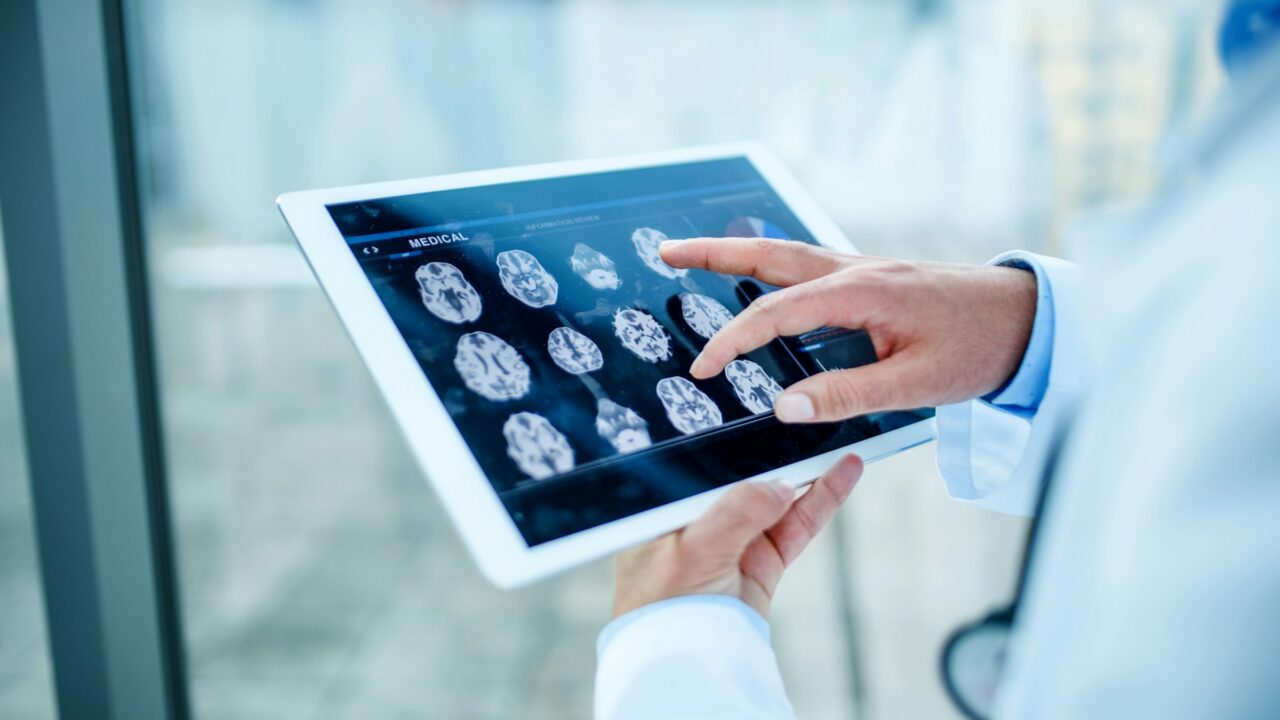
Digital health data can help doctors make more precise treatment decisions, but the true value of e-health depends on data quality, availability and usability. Photo: Getty Images / Unsplash
The European Health Data Space divides expert opinion
Kalra sees no major risks in integrating the standards of the European Health Data Space (EHDS), and the data exchange intended for patient care, with Estonia’s digital system. In his view, this would bring relatively modest but nevertheless valuable changes.
Estonia could test high-quality, standardised data exchange primarily with patients, but also between healthcare professionals. Since health records are already shared in Estonia, the main added value could lie in giving patient summaries a consistent, standard structure everywhere.
Kalra sees greater challenges in secondary use of health data, for example in academic and industry research. Estonian datasets could become so sought-after that their use expands faster than efforts to engage and inform the public. People must be told what their data is used for, how it is protected and what benefits are expected.

“The public must be involved before and during the expansion of data reuse,” Kalra stressed. Trust rests on transparency. People must know when identifiable data is being used, when data is anonymised or pseudonymised, and when aggregate analyses are conducted using larger datasets.
It must also be clear for which purposes data may be used and who decides, which security and governance measures are mandatory, who provides oversight and how potential errors are corrected. Patient organisations and the public must also have opportunities to provide feedback.
Kalra also cautions against using the expression “my data” too loosely, because data ownership is a complex issue.
Hurlen was more critical of the EHDS. In his view, it is a top-down process with little or no involvement of doctors and patients.
Doctors do not know which problems the EHDS solves for them, what improvements in clinical outcomes are expected or what its consequences for healthcare professionals might be, he said.
Hurlen also warns that expanding secondary data use must not impair communication between doctors or increase their coding workload at the expense of patient care.
“The public must be involved before and during the expansion of data reuse.”
AI needs the same rigorous evaluation as other medical technology
Hurlen cited radiology as a model for evaluating AI. When a new imaging method is introduced, assessments include sensitivity and specificity: how well it detects a lesion that is actually present and how well it avoids false findings.
AI-based clinical decision support tools should be assessed in the same way, Hurlen believes. Doctors should know how likely an AI recommendation is to align with current approaches to care, as reflected in resources such as UpToDate and the Cochrane Library. The final decision must nevertheless remain with the care team.
Hurlen believes Estonia could be among the first countries where healthcare professionals use AI to develop the systems they need themselves. Estonia’s existing infrastructure and highly qualified healthcare professionals provide a strong foundation, he said, potentially enabling better systems at substantially lower cost than conventional development methods.
Kalra remained cautious about assessing AI’s current maturity. An assessment made today could be outdated in just six months, he said.
Kalra offered two recommendations to Estonia’s government and hospital leaders. First, they should value learning from health data and treat spending on data and data technology as an investment rather than an avoidable expense. Secondly, they should accelerate the adoption of digital health tools that help patients take a more active role in maintaining and managing their health. Kalra believes this could also help ease healthcare workforce and capacity pressures.
The European medical informatics conference Medical Informatics Europe 2027 will take place in Tallinn on 26–30 April 2027. It is organised by the Estonian Medical Informatics Association (EstMIA) in cooperation with EFMI, TalTech, the University of Tartu, Estonian hospitals, medical and health informatics companies, and public authorities.