
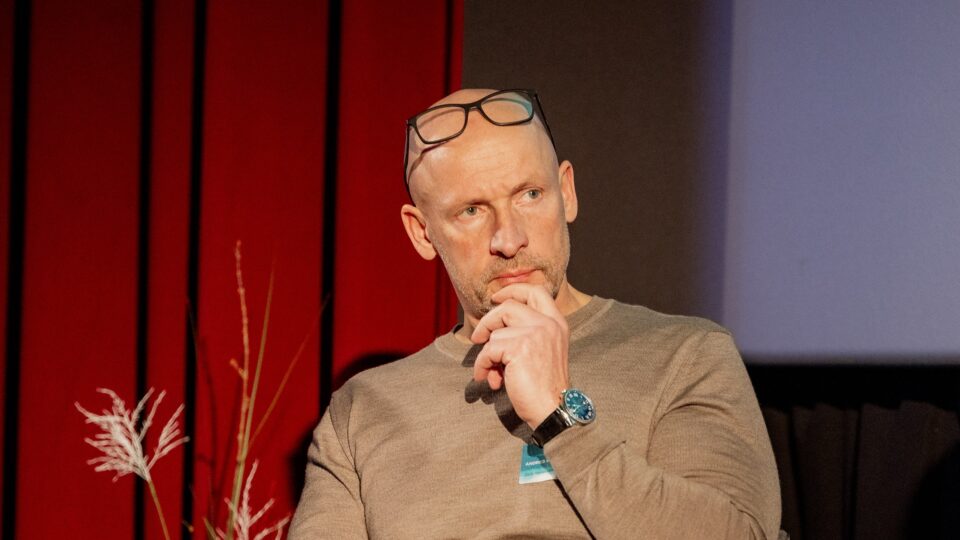
“Our country has let several decades slip by,” says Andres Veske, head of Energiasalv Pakri, of the development of Estonia’s energy sector. Having worked in the field for decades, Veske believes that although the changes in energy have been substantial, many necessary decisions have taken too long.
renewable energy
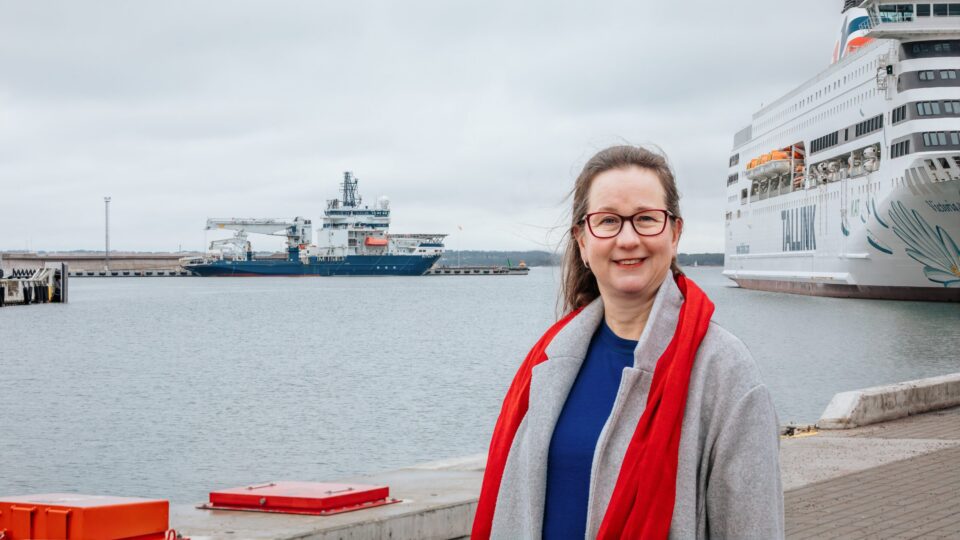
Whoever controls the world’s maritime transport flows controls the world. This phrase has, over the centuries, guided everyone from Christopher Columbus and the East India Companies of the seventeenth–nineteenth centuries to US President Donald Trump.
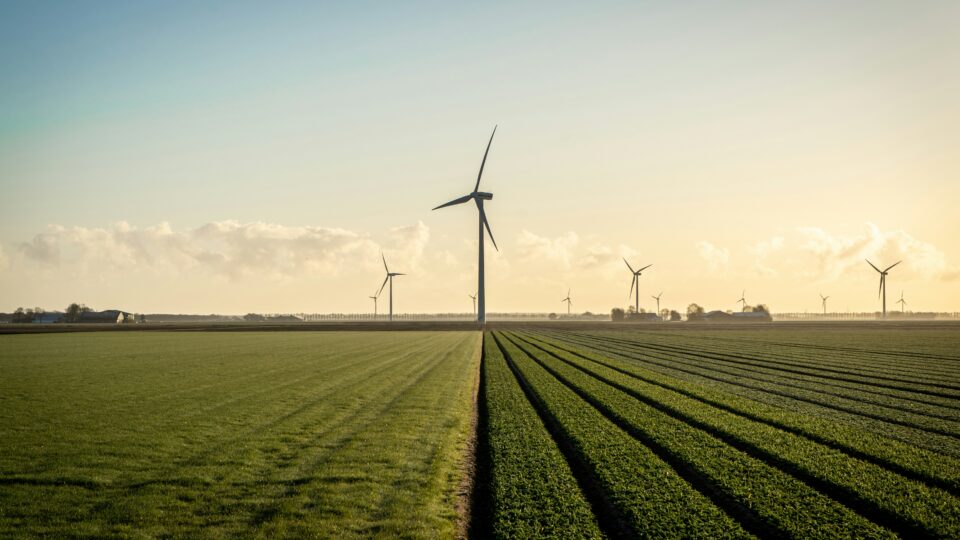
According to Professor Ivo Palu, the development of wind energy in Estonia is not hindered by technology but by a lack of societal will – we simply don’t dare to build.
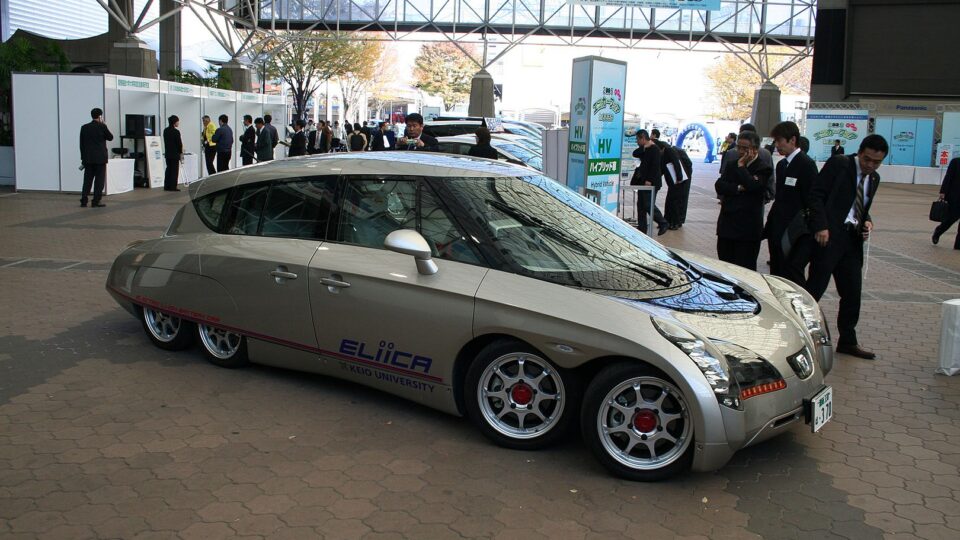
Electric cars have made rapid progress over the past decade, but the European automotive industry is facing serious challenges. It may take a few more years before Europe rolls out its own affordable electric vehicles – but one day, we’ll all be driving electric cars anyway, writes Jüri Rute.
Has the development of the Energy Sector Development Plan 2035 taken into account the possibility that by 2035, almost every household and business could have its own solar power system?

One must believe that in Estonia's nuclear energy debate, it is possible to thoroughly discuss all possible arguments for and against.
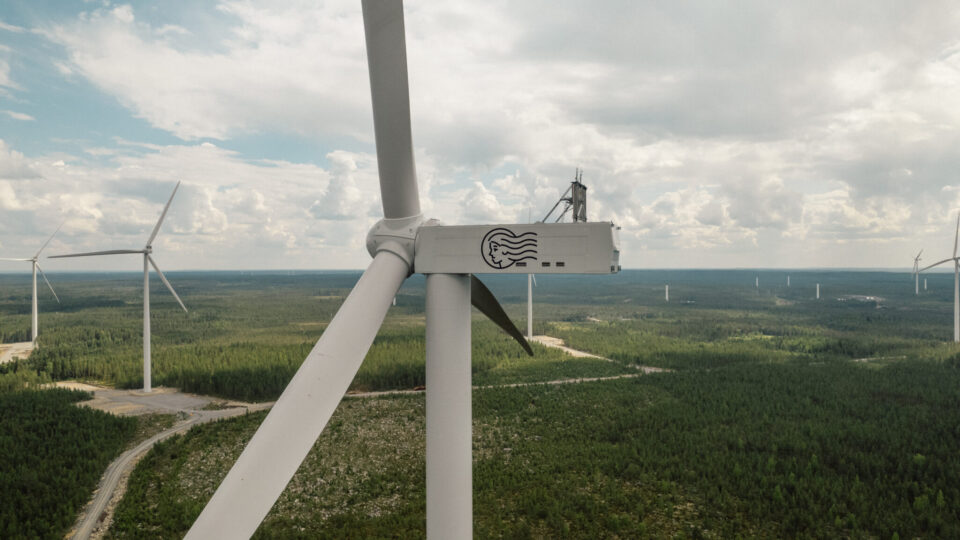
Observing Finland's wind energy plans helps illustrate the trend toward large-scale renewable electricity production, but Estonia's recent energy choices also look promising.