
Estonia cannot compete with the United States or China in the AI race in terms of either funding or computing power. Experts discussing the issue at the autumn seminar of TalTech’s AI Focus Centre recommend looking for Estonia’s strengths elsewhere: a strong digital state, cybersecurity, good education and cooperation. A small country’s success depends on finding the right niches.
Cybersecurity

States are making increasingly deliberate use of cyberspace to put pressure on others, gather information and achieve their foreign and security policy objectives. According to Estonia’s Ambassador at Large for Cyber Diplomacy Helen Popp, technological capability has become an important part of states’ economic, military and political power.
AI agents deployed without sufficient thought can create serious cybersecurity risks and make accountability even more complicated.

An AI agent can be a company’s most diligent employee. The trouble starts when it is given more permissions than judgement.
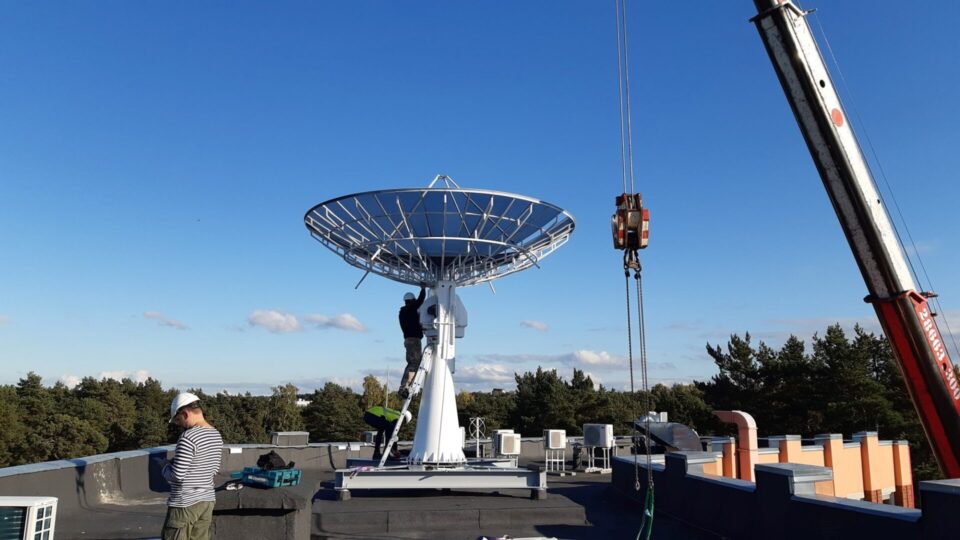
Estonia has earned a global reputation as a digital trailblazer, but its next strategic move may come from much higher up—literally. Building on its strengths in cybersecurity and digital governance, Estonia is now laying the groundwork to become a leader in securing space infrastructure.

Incidents such as the recent DHL aircraft crash in Lithuania, initially suspected to involve Russian GPS interference, sparked widespread concern about hybrid warfare tactics. While investigations suggest that this incident may not have been a cyberattack or part of Russia's hybrid arsenal, it serves as a stark reminder of the constant threats posed by hybrid warfare and cyberattacks. To explore how nations like Estonia can navigate these challenges, Adrian Venables, senior lecturer at TalTech’s Center for Digital Forensics and Cyber Security, shared his expert insights.

The new yearbook of the Estonian Information System Authority (RIA) names China as the world's biggest cyber threat, highlighting the role of intelligence services in technology, data collection, and cyberattacks. Given China's AI advancements, such as DeepSeek, the question arises – does this also pose a risk to everyday businesses and consumers?