
Microplastics are among the most insidious pollutants in the world’s seas, travelling invisibly across ecosystems and leaving long-lasting impacts. In his doctoral thesis defended at TalTech, researcher Arun Mishra has drawn a detailed map of how these particles move, concentrate, and persist in the eastern Baltic Sea.
Baltic Sea
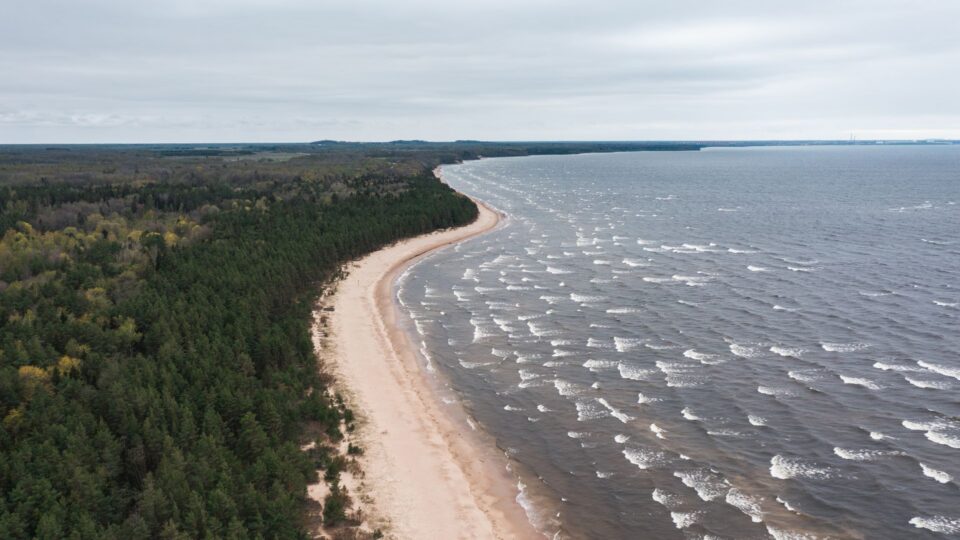
Although Estonia is a maritime country, our people still prefer meat or imported salmon and trout over domestic fish on their plates. Local fish rarely reaches store shelves and even less frequently the dining table – for several reasons: availability, quality, price, prejudices about Baltic Sea pollution, and even the lingering smell of fish in the kitchen.
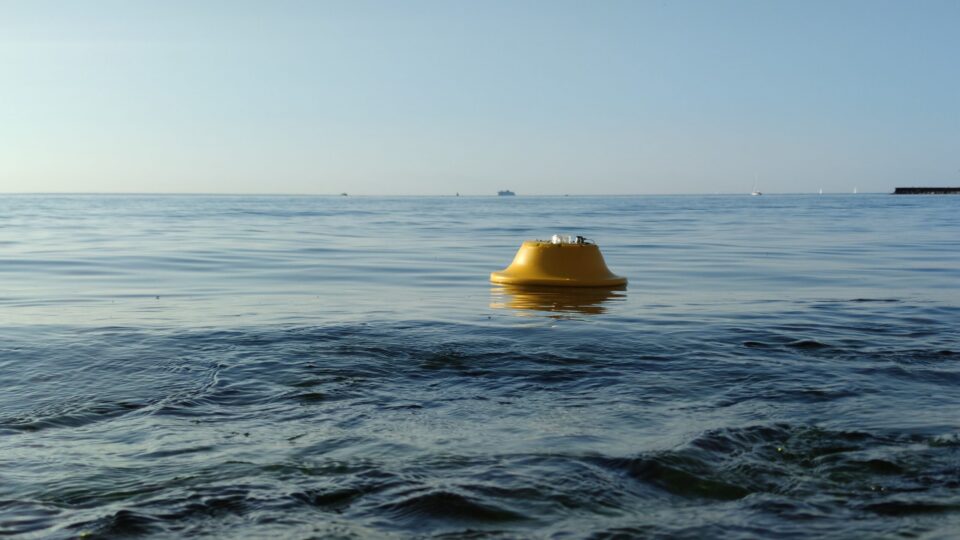
Russia removed TalTech’s smart wave buoy from Estonia’s economic zone – without a single obstacle; the incident raises a pressing question: does Estonia truly have sufficient situational awareness in the Baltic Sea, and the capacity to respond swiftly?