TalTech Vice-Rector for Entrepreneurship
The future of education cannot be decided through endless arguments over which level of education to favour. The question is how the education system as a whole can support a knowledge- and technology-based economy and help society adapt to changing needs, writes Erik Puura.
The economy, education and quality of life are directly connected. This may sound like a basic truth everyone should know by heart. Yet when we look at debates and decisions about education, this obvious connection seems to recede into the background.
Without a strong economy, we lack the money to maintain a high-quality education system. Without education, however, a high-value-added economy based on knowledge and technology cannot develop. Our quality of life depends greatly on how well we understand the relationship between knowledge and technology and take it into account in our decisions.
A strong economy makes it possible to fund education, healthcare, security and culture. These, in turn, create the conditions for economic development and a good life. Central to this chain is the question of how well the education system can develop people’s knowledge and skills and support their application.
Research and business cooperation also supports teaching
Research plays a vital role in the development of a high-tech economy. Both basic and applied research contribute to the growth of companies and the creation of new ones.
The value of cooperation between research and business extends beyond research results ready for practical use. The more researchers and lecturers work with companies or participate in creating new businesses, the better they can educate the people companies need and the entrepreneurs of the future. An understanding of business needs and opportunities for development thus finds its way into teaching.
When assessing the role of education and research, we must therefore consider how knowledge reaches the people who use it to create new solutions.
Without a strong economy, we lack the money to maintain a high-quality education system. Without education, however, a high-value-added economy based on knowledge and technology cannot develop.
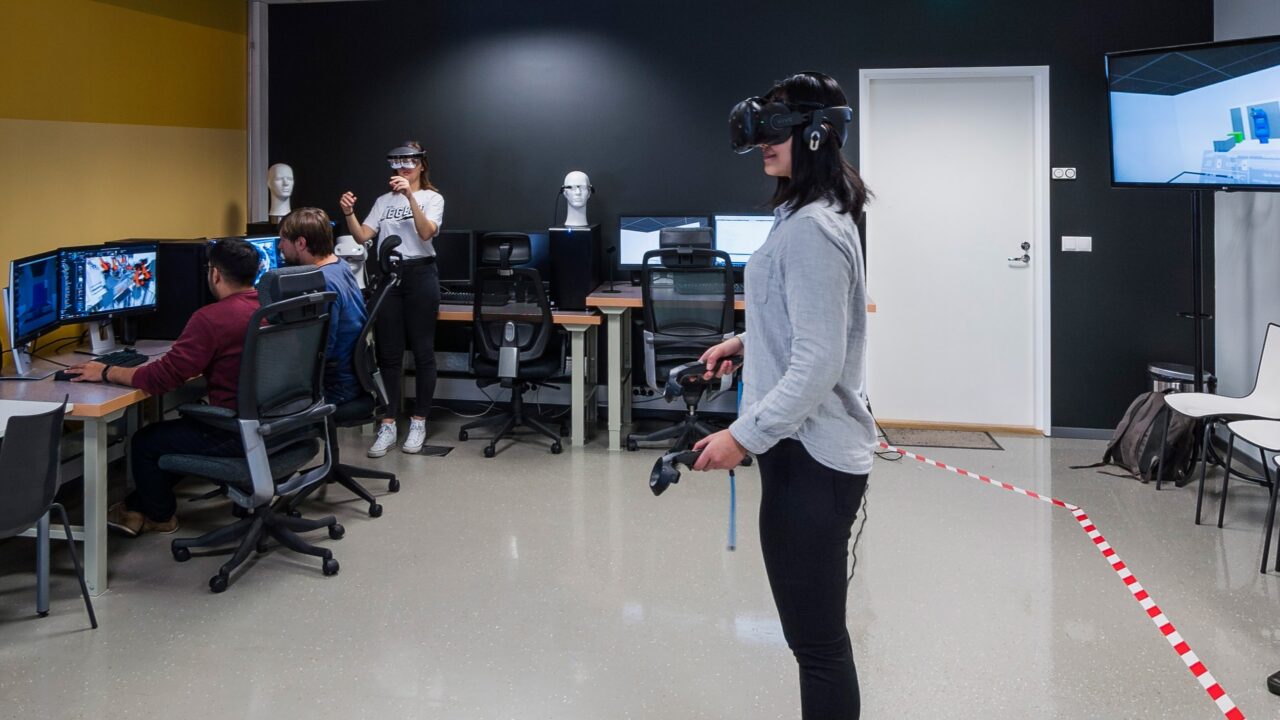
Testing virtual reality at TalTech. Erik Puura says the education system must help people acquire the skills needed by rapidly developing technology and a changing economy. Photo: TalTech
We are playing blitz chess instead of a long game
The development of artificial intelligence is changing job tasks, reducing demand for some existing skills and increasing the need for new ones. The change may cause setbacks in employment, but it also opens up new opportunities for companies to grow and compete internationally. Making the most of these emerging opportunities requires people with the right knowledge and skills.
The effect on employment depends on the ability of individuals, companies and the education system to adapt. The more flexible the education system and the faster it can respond to changing needs, the better the prospects for economic development.
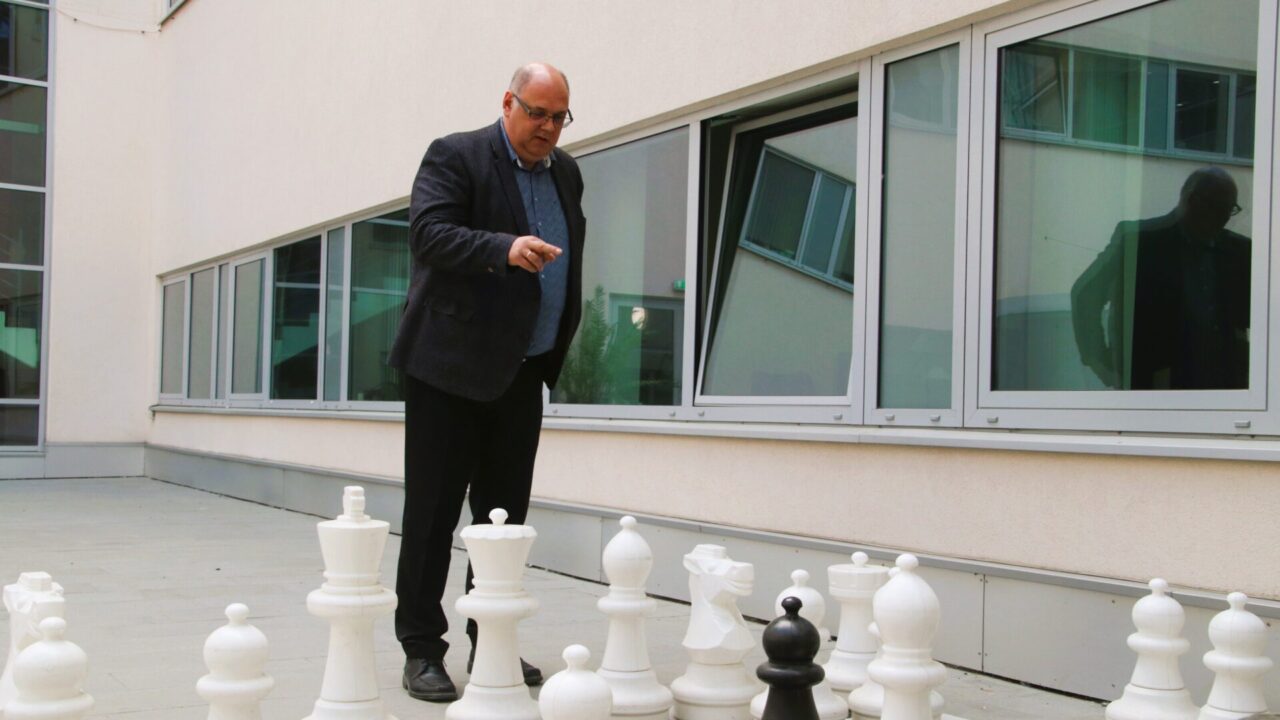
The situation can be compared to a game of chess. Where once there were two and a half hours to think through 40 moves and another half-hour to finish the game, we are increasingly playing rapid and blitz chess. The combinations in the external environment change so quickly that, if we fail to make a move, time runs out and the game is lost.
More mistakes can be made in rapid chess than in a long game. That is precisely why we need players with knowledge, skills and experience who can make decisions under time pressure. We must learn to experiment, assess results and correct course when necessary more quickly. Admittedly, the rapid chess of everyday life allows us to play ever more games, but we must always reckon with losses that are painful in both time and money.
Education levels must be considered together
Why recall these basic truths? Because I see continuing arguments over whether we need vocational or upper secondary education, professional higher education or engineering education, and whether more mathematics should be taught.
These are important questions, but before finding the most appropriate answers, we must first agree on what the education system as a whole needs to achieve.
We need education that, at every stage, supports the development of a high-value-added economy based on knowledge and technology and prepares the people it needs. The education system should also be inherently flexible, ready to adapt quickly or even transform.
Instead of debating education levels separately, we should look at how they can work together to support the development of Estonia’s people and economy. The clearest assessment of the symbiotic relationship between education and the economy comes from businesses saying: yes, it is from you that we have found the people we need.
Instead of debating education levels separately, we should look at how they can work together to support the development of Estonia’s people and economy.
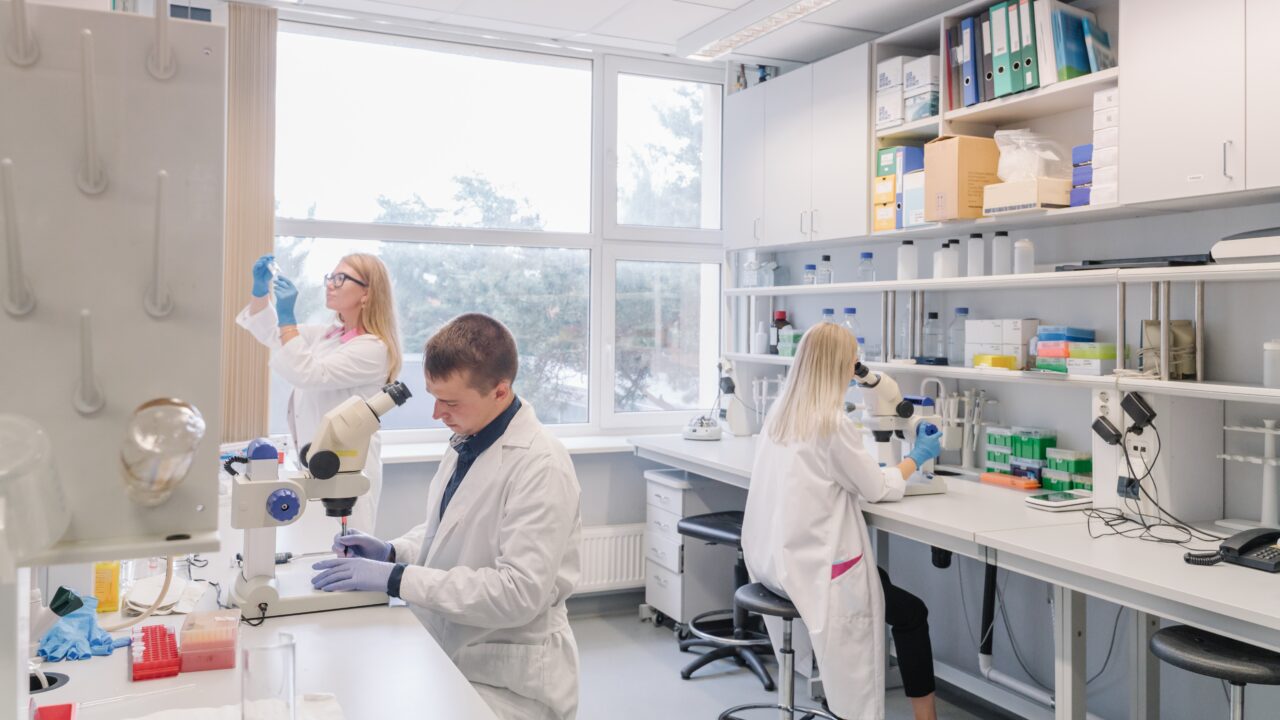
Students in TalTech's chemistry and biotechnology laboratory. Erik Puura says closer cooperation between research and business helps educate both the specialists companies need and future entrepreneurs. Photo: TalTech
We need consistent feedback
How can we find out which levels of education and programmes produce people suited to business, and where knowledge and skills are lacking?
We need a regular overview of the paths taken by young people who complete study programmes, how their skills are applied and what additional competences they need at work. Detailed feedback would help us understand both the strengths of programmes and the areas that need improvement. Artificial intelligence can analyse the relevant data and detect changes.
Decisions must be based on both today’s needs and our capacity for future development. The education system must also be able to prepare people to take advantage of opportunities that are now emerging.
Talk of the connections between the economy, education and quality of life may seem self-evident. Yet our decisions should be guided by a comprehensive picture that brings together knowledge from different fields. While we are still debating which piece to move, the chess clock has already started.
While we are still debating which piece to move, the chess clock has already started.