
Ants Vill: Estonia must not be good, but indispensable

29.01.2026
Ants Vill: Estonia must not be good, but indispensable. 29.01.2026. We are publishing the speech of the member of the Tallinn University of Technology Council and CEO of Bisly, delivered at TalTech’s Economic Vision Conference, in an abridged form. Let me begin with an uncomfortable thought: we have found ourselves living in a moment when economic, technological and geopolitical systems are all shifting at once. Moreover, alongside these shifts, the very rules of winning and losing – of success and failure – are changing as well. Against this backdrop, Estonia’s problem is not so much a lack of good ideas, technologies or skills, but rather the fact that being “good” is no longer enough. It is not enough for Estonia to be a good country – we must become an indispensable one. This means not only economic and technological ambition, but also a matter of position: are we a country that makes decisions, or one that is decided over? Did we manage to become indispensable through the way we deployed capital? For years, we have quite rightly looked to the Nordic countries and Germany for examples of stable governance and consensus-based decision-making. In recent years, however, new points of comparison have come into focus – above all South Korea and Israel, as both are medium-sized or smaller countries facing complex, existential risks in their neighbourhoods. Yet direct comparisons should be avoided. South Korea has a population of 52 million and a GDP of 1.7 trillion dollars; Israel has 10 million people and a GDP of 610 billion dollars. Both are powerful economies, but their paths have differed. South Korea’s export-driven model, marked by strong state direction, would not align with our societal culture. Israel, by contrast, has aggressively mobilised the private sector and increased its risk tolerance through capital and foreign aid. It is unlikely that Estonian society could function in quite the same way. Nevertheless, Europe would be wise to learn from how both countries deploy capital. They apply a different logic when using public resources. European funds are accustomed to asking: “Was the money used correctly?” South Korea and Israel have instead asked: “Did we manage to become indispensable through the way we deployed capital?” If support does not reduce the need for future support, it is an expense rather than an investment – and a logic that does not build indispensability. Israel and South Korea made a deliberate choice in favour of indispensability. They did not try to be good at everything; they focused their systems. Israel produces and markets critical technological capabilities. South Korea concentrates on electronics, semiconductor manufacturing, batteries and shipbuilding. Estonia is, of course, neither South Korea nor Israel. But since we, too, cannot compete on scale, it is crucial to identify our practical strengths and make a conscious decision to focus on them. It is not enough for Estonia to be a good country – we must become an indispensable one. Indispensability as a national ambition What is Estonia’s strength? The answer is clear: digitalisation. More than a quarter of a century ago, a radical decision was made, and through the Tiger Leap programme Estonia set out to build a country with world-class digital skills. We were not only bold and innovative – we were able to establish a clear focus. Importantly, Tiger Leap and the e-state did not emerge from broad consensus; they were the result of a choice and the systematic implementation of that choice. As a result, a unique entrepreneurial environment took shape, the effects of which are still visible today. It is no coincidence that all of Estonia’s technology unicorns are software companies. In other words, Estonia has developed world-class engineering competence not only in software, but also in hardware. Viewed from the outside, Estonia is a success story – our digital state, entrepreneurship and education are widely admired. Yet every success story carries a risk: the belief that one can continue at the same pace and with the same logic indefinitely. That belief has now led us to a sense of crisis. What kind of crisis are we facing? Our bottleneck is not a lack of ideas, talent or technology, but a lack of courage. We hesitate to make choices and to set ambitious goals. We are not facing a crisis of innovation, but a crisis of decision-making. How might this be described? Estonia no longer sets the pace; instead, we follow along. Rather than making active, risk-taking decisions, it is easier to respond to immediate needs and avoid long-term commitments. We speak of cleantech, deeptech and deftech – yet these are categories, not focused priorities. At present, it is unclear what our long-term technological focus should be – the direction we would collectively believe in and invest in. Fortunately, this does not mean we are standing still. There are signs of progress, for example in the restructuring of entrepreneurship support and the effort to seek sustainable business models. Indispensability arises when we decide what we are willing to take responsibility for. Such decisions are most effectively carried out not by a single institution, but through the support of our shared innovation and technology creation system – the state itself. We need to define a national mission of indispensability, one in which we would all want to take part. We need to define a national mission of indispensability, one in which we would all want to take part. Choice is responsibility The AI platform has already increased global GDP by several percentage points, and forecasts suggest that growth will continue. Several countries, led by China, have decided that their economic growth and governance will increasingly rely on artificial intelligence. AI is therefore not merely – or even primarily – a technology, but a new general infrastructure, comparable in its impact and inevitability to electricity or the internet. The question is no longer whether to use AI, but whether to do so consciously or by chance, proactively or reactively. The AI era has begun – and we are only running the first metres of a hundred-metre sprint. What matters is how to connect our products and services to this new platform and how to gain a competitive advantage through it. In such a situation, indecision no longer means slowing down; it means standing still. Others are moving ahead as speeds increase. Indecision is therefore not a neutral state, but a decision in itself – one whose consequences may be long-term and difficult to control. Here, Estonia’s strength as a digital society becomes visible – and with it, an opportunity. Through the development of innovative products, systems and solutions, we can take part in implementing this new platform, whether those solutions are software-based, hardware-based or a combination of both. Indispensability emerges where three elements intersect: specific capabilities, global needs and non-replicability. How do we build capabilities without which the world cannot function? While our digital identity is specific and difficult to replicate, there is currently no strong global demand for it. At the same time, some of Estonia’s success stories, such as Bisly and Skeleton Technologies, demonstrate that the path to indispensability is challenging but achievable through focus, adaptability and decisive action. Indispensability should be understood as a competitive advantage – both at the level of an individual company and of the state as a whole. Indispensability does not arise from slogans, but from focus. And focus entails exclusion, responsibility and risk-taking – the willingness not only to make bold decisions, but also to adjust course when necessary, while remaining committed to the chosen strategy. Choice is responsibility – if we do not choose, we do not take responsibility. Choice is responsibility – if we do not choose, we do not take responsibility. All the tools for success are already within reach To speak more concretely, I believe Estonia could define two national focus areas that take future trends into account and allow us to benefit as effectively as possible from this moment of platform shift. Such focus areas would also enable a small country like ours to mobilise broad-based scientific, economic and governmental commitment – and more than that, to turn commitment into a societal strategy. We cannot – nor do we need to – compete in foundation models, chip manufacturing or global cloud infrastructure. What we do have is the capability to apply the new platform in complex, physical and regulated systems. Choosing a focus also implies moral responsibility. We must find a new answer to the question of what Estonia is. The issue is not only economic growth, but what kind of society and world we want to build and sustain. Our small size gives us speed and flexibility. But speed without decision, without risk, without choice does not truly count. At the same time, we should not forget that we are not starting from zero. It is not too late for us. We have considerable advantages at our disposal: our technological success stories, our software and hardware expertise, our engineers and our experience as a digital society. The key is to use these advantages consciously, systematically and at scale. What remains is a decision – to choose to become indispensable. That is why I believe we can remain competitive in the technological race. We already have all the tools needed to win. We must find a new answer to the question of what Estonia is. The issue is not only economic growth, but what kind of society and world we want to build and sustain.
Co-founder and CEO of Bisly and member of the Tallinn University of Technology Council
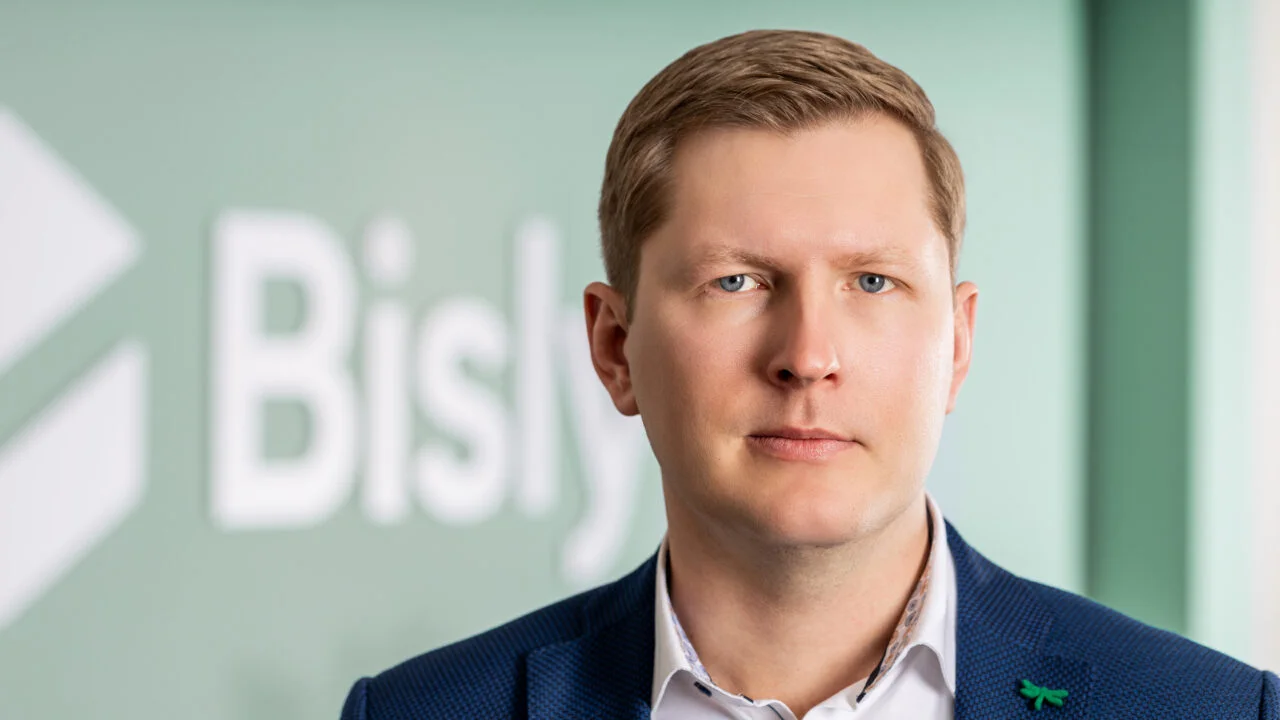
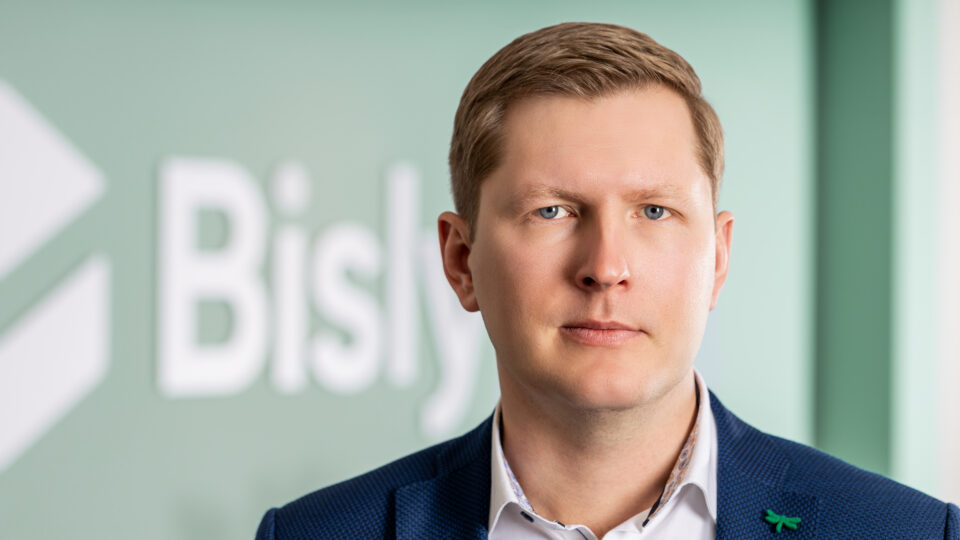
Ants Vill. Photo: Bisly

Ants Vill. Photo: Bisly

This is an opinion article
The thoughts expressed in the article are those of the author of the article and may not coincide with the views of Trialoog.

Estonia stands at a turning point where good ideas and a strong digital reputation are no longer enough. A shifting economy, geopolitical tensions, and the age of artificial intelligence force us to ask: are we a country that makes decisions, or one that is decided for? According to Ants Vill, member of the TalTech Council and CEO of Bisly, Estonia’s greatest challenge is not a lack of innovation but a lack of decisiveness – and inevitability is not born of consensus, but of deliberate choices.

We are publishing the speech of the member of the Tallinn University of Technology Council and CEO of Bisly, delivered at TalTech’s Economic Vision Conference, in an abridged form.

Let me begin with an uncomfortable thought: we have found ourselves living in a moment when economic, technological and geopolitical systems are all shifting at once. Moreover, alongside these shifts, the very rules of winning and losing – of success and failure – are changing as well.

Against this backdrop, Estonia’s problem is not so much a lack of good ideas, technologies or skills, but rather the fact that being “good” is no longer enough. It is not enough for Estonia to be a good country – we must become an indispensable one. This means not only economic and technological ambition, but also a matter of position: are we a country that makes decisions, or one that is decided over?
Did we manage to become indispensable through the way we deployed capital?

For years, we have quite rightly looked to the Nordic countries and Germany for examples of stable governance and consensus-based decision-making. In recent years, however, new points of comparison have come into focus – above all South Korea and Israel, as both are medium-sized or smaller countries facing complex, existential risks in their neighbourhoods.

Yet direct comparisons should be avoided. South Korea has a population of 52 million and a GDP of 1.7 trillion dollars; Israel has 10 million people and a GDP of 610 billion dollars.

Both are powerful economies, but their paths have differed. South Korea’s export-driven model, marked by strong state direction, would not align with our societal culture. Israel, by contrast, has aggressively mobilised the private sector and increased its risk tolerance through capital and foreign aid. It is unlikely that Estonian society could function in quite the same way.

Nevertheless, Europe would be wise to learn from how both countries deploy capital. They apply a different logic when using public resources.

European funds are accustomed to asking: “Was the money used correctly?” South Korea and Israel have instead asked: “Did we manage to become indispensable through the way we deployed capital?” If support does not reduce the need for future support, it is an expense rather than an investment – and a logic that does not build indispensability.

Israel and South Korea made a deliberate choice in favour of indispensability. They did not try to be good at everything; they focused their systems. Israel produces and markets critical technological capabilities. South Korea concentrates on electronics, semiconductor manufacturing, batteries and shipbuilding. Estonia is, of course, neither South Korea nor Israel. But since we, too, cannot compete on scale, it is crucial to identify our practical strengths and make a conscious decision to focus on them.

It is not enough for Estonia to be a good country – we must become an indispensable one.

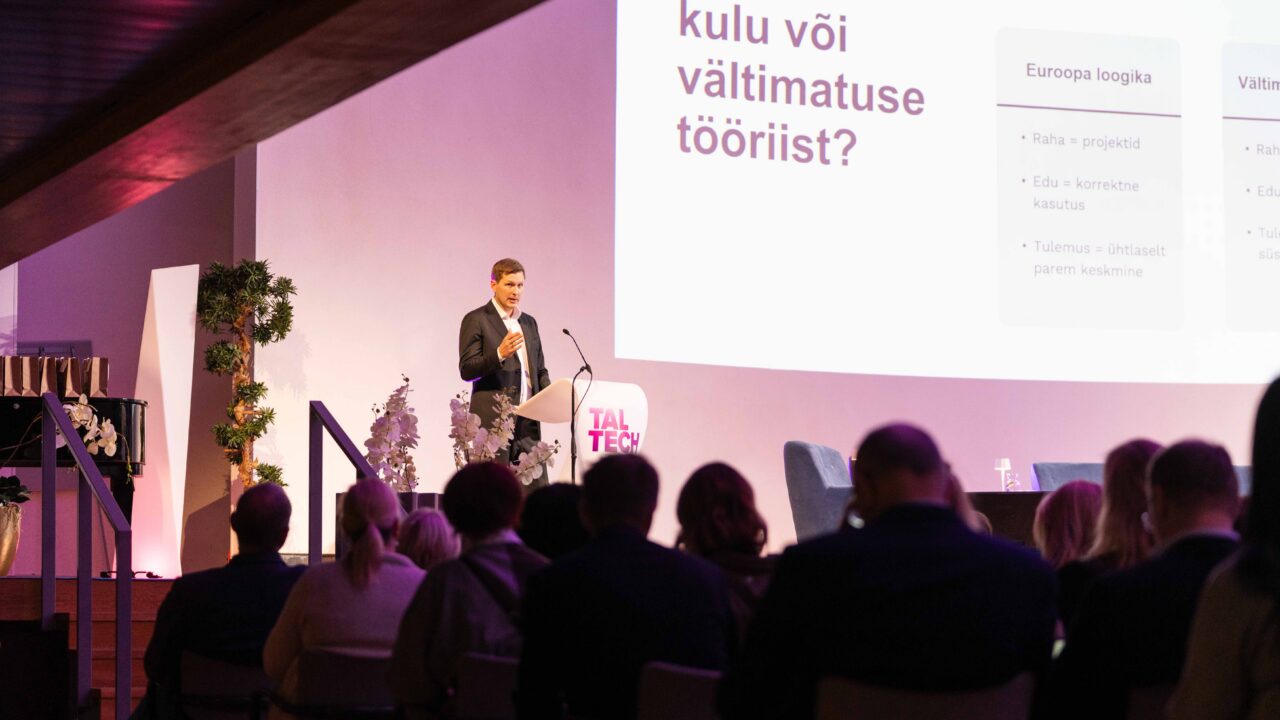
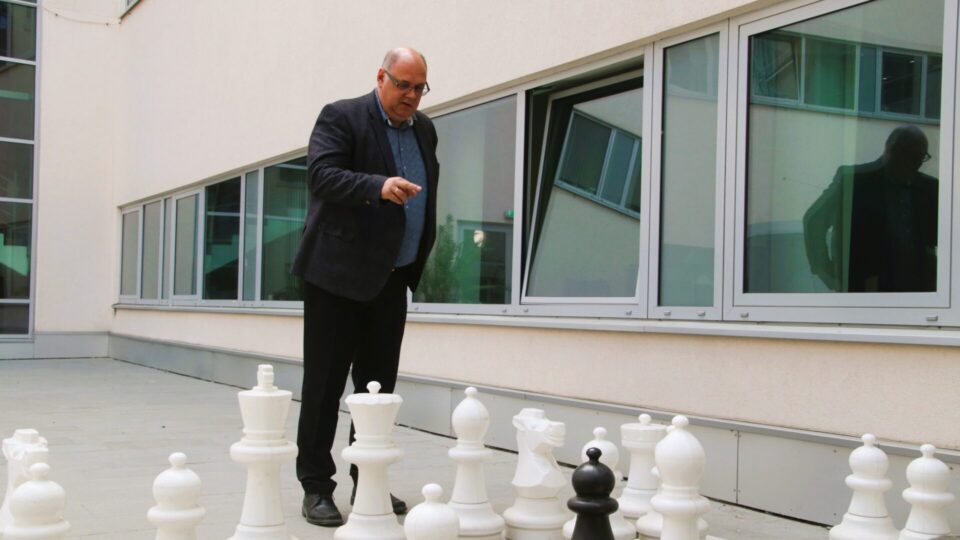
Ants Vill at the TalTech Economic Vision Conference, 29 January 2026. Photo: Mailis Vahenurm

Ants Vill at the TalTech Economic Vision Conference, 29 January 2026. Photo: Mailis Vahenurm

Indispensability as a national ambition

What is Estonia’s strength? The answer is clear: digitalisation. More than a quarter of a century ago, a radical decision was made, and through the Tiger Leap programme Estonia set out to build a country with world-class digital skills. We were not only bold and innovative – we were able to establish a clear focus. Importantly, Tiger Leap and the e-state did not emerge from broad consensus; they were the result of a choice and the systematic implementation of that choice.

As a result, a unique entrepreneurial environment took shape, the effects of which are still visible today. It is no coincidence that all of Estonia’s technology unicorns are software companies. In other words, Estonia has developed world-class engineering competence not only in software, but also in hardware.

Viewed from the outside, Estonia is a success story – our digital state, entrepreneurship and education are widely admired. Yet every success story carries a risk: the belief that one can continue at the same pace and with the same logic indefinitely. That belief has now led us to a sense of crisis.

What kind of crisis are we facing? Our bottleneck is not a lack of ideas, talent or technology, but a lack of courage. We hesitate to make choices and to set ambitious goals. We are not facing a crisis of innovation, but a crisis of decision-making.

How might this be described? Estonia no longer sets the pace; instead, we follow along. Rather than making active, risk-taking decisions, it is easier to respond to immediate needs and avoid long-term commitments. We speak of cleantech, deeptech and deftech – yet these are categories, not focused priorities.

At present, it is unclear what our long-term technological focus should be – the direction we would collectively believe in and invest in. Fortunately, this does not mean we are standing still. There are signs of progress, for example in the restructuring of entrepreneurship support and the effort to seek sustainable business models.

Indispensability arises when we decide what we are willing to take responsibility for. Such decisions are most effectively carried out not by a single institution, but through the support of our shared innovation and technology creation system – the state itself. We need to define a national mission of indispensability, one in which we would all want to take part.
We need to define a national mission of indispensability, one in which we would all want to take part.

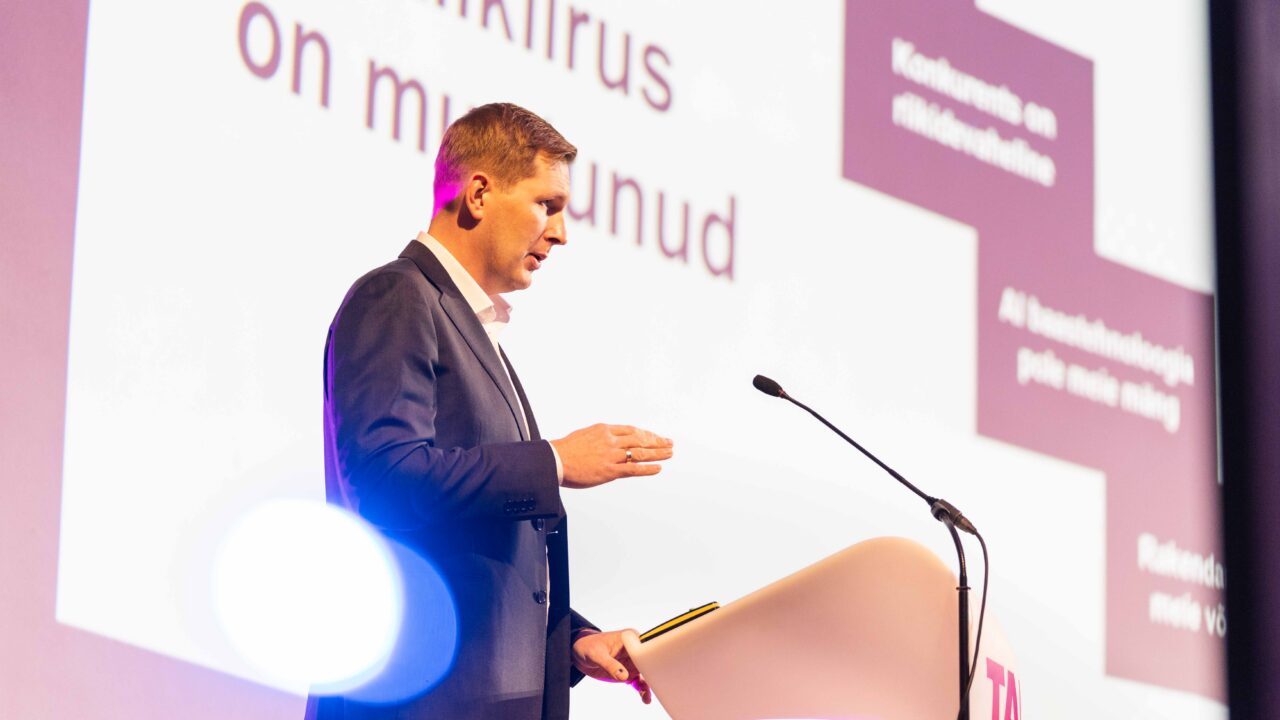
Ants Vill at the TalTech Economic Vision Conference, 29 January 2026. Photo: Mailis Vahenurm

Ants Vill at the TalTech Economic Vision Conference, 29 January 2026. Photo: Mailis Vahenurm

Choice is responsibility

The AI platform has already increased global GDP by several percentage points, and forecasts suggest that growth will continue. Several countries, led by China, have decided that their economic growth and governance will increasingly rely on artificial intelligence. AI is therefore not merely – or even primarily – a technology, but a new general infrastructure, comparable in its impact and inevitability to electricity or the internet. The question is no longer whether to use AI, but whether to do so consciously or by chance, proactively or reactively.

The AI era has begun – and we are only running the first metres of a hundred-metre sprint. What matters is how to connect our products and services to this new platform and how to gain a competitive advantage through it. In such a situation, indecision no longer means slowing down; it means standing still. Others are moving ahead as speeds increase. Indecision is therefore not a neutral state, but a decision in itself – one whose consequences may be long-term and difficult to control.

Here, Estonia’s strength as a digital society becomes visible – and with it, an opportunity. Through the development of innovative products, systems and solutions, we can take part in implementing this new platform, whether those solutions are software-based, hardware-based or a combination of both.

Indispensability emerges where three elements intersect: specific capabilities, global needs and non-replicability. How do we build capabilities without which the world cannot function? While our digital identity is specific and difficult to replicate, there is currently no strong global demand for it.

At the same time, some of Estonia’s success stories, such as Bisly and Skeleton Technologies, demonstrate that the path to indispensability is challenging but achievable through focus, adaptability and decisive action. Indispensability should be understood as a competitive advantage – both at the level of an individual company and of the state as a whole.

Indispensability does not arise from slogans, but from focus. And focus entails exclusion, responsibility and risk-taking – the willingness not only to make bold decisions, but also to adjust course when necessary, while remaining committed to the chosen strategy. Choice is responsibility – if we do not choose, we do not take responsibility.

Choice is responsibility – if we do not choose, we do not take responsibility.
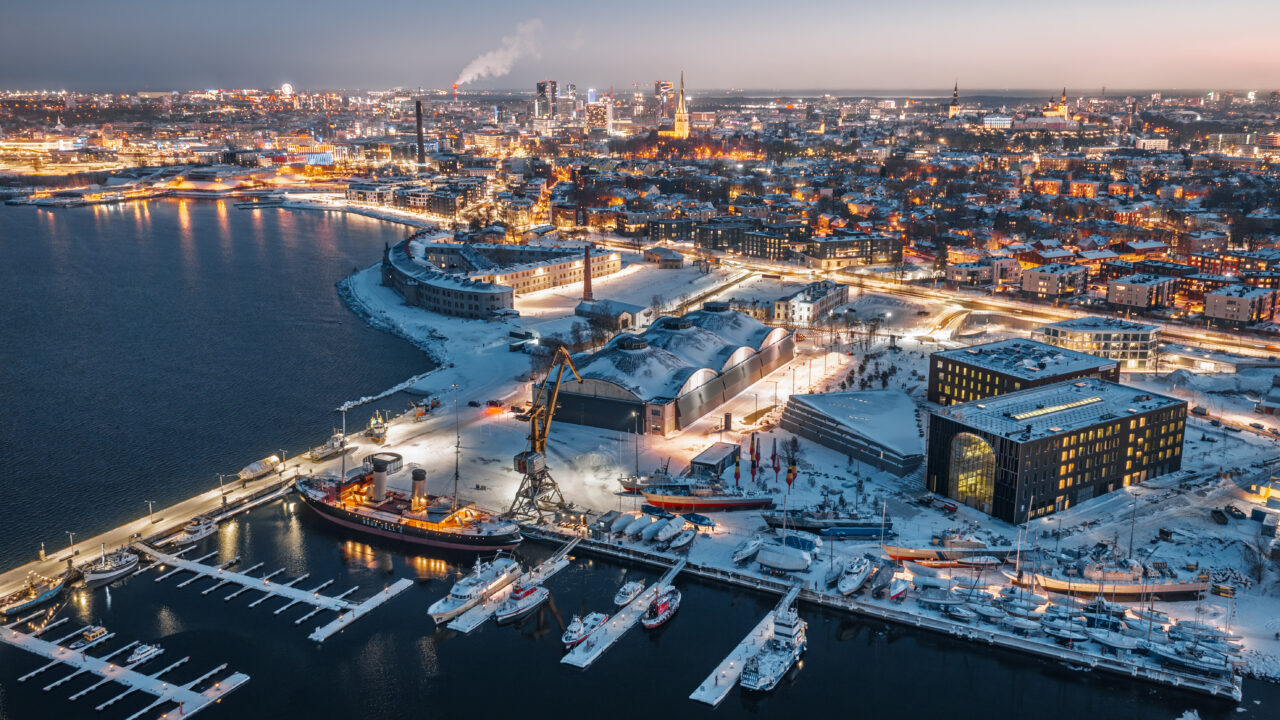
Tallinn linnulennult. Foto: Kaupo Kalda
Tallinn linnulennult. Foto: Kaupo Kalda
All the tools for success are already within reach

To speak more concretely, I believe Estonia could define two national focus areas that take future trends into account and allow us to benefit as effectively as possible from this moment of platform shift. Such focus areas would also enable a small country like ours to mobilise broad-based scientific, economic and governmental commitment – and more than that, to turn commitment into a societal strategy.

We cannot – nor do we need to – compete in foundation models, chip manufacturing or global cloud infrastructure. What we do have is the capability to apply the new platform in complex, physical and regulated systems. Choosing a focus also implies moral responsibility. We must find a new answer to the question of what Estonia is. The issue is not only economic growth, but what kind of society and world we want to build and sustain.

Our small size gives us speed and flexibility. But speed without decision, without risk, without choice does not truly count. At the same time, we should not forget that we are not starting from zero.

It is not too late for us. We have considerable advantages at our disposal: our technological success stories, our software and hardware expertise, our engineers and our experience as a digital society. The key is to use these advantages consciously, systematically and at scale.

What remains is a decision – to choose to become indispensable. That is why I believe we can remain competitive in the technological race. We already have all the tools needed to win.

We must find a new answer to the question of what Estonia is. The issue is not only economic growth, but what kind of society and world we want to build and sustain.